Most property owners focus entirely on visible roofing materials like shingles or metal panels when evaluating roof quality, completely overlooking the roofing paper layer hidden underneath that actually determines whether their roof stays watertight during failures.
This underlayment serves as the true waterproof barrier protecting your home, while the visible roofing material primarily sheds water toward gutters.
Understanding what underlayment actually does, why quality matters enormously, and how it affects everything from leak prevention to warranty coverage reveals why experienced contractors never skimp on this critical but invisible component that most people don’t even know exists until problems develop.
The Real Job Nobody Sees
Roofing paper serves as the actual waterproof membrane protecting your home, not just a temporary covering during installation as many assume.
Primary water barrier function means underlayment is your roof’s true last line of defense. Shingles, tiles, or metal panels direct water down the roof, but wind-driven rain, ice dams, and inevitable material failures allow water past the visible layer. Quality underlayment catches this water and channels it safely off the roof before it reaches your home’s interior.
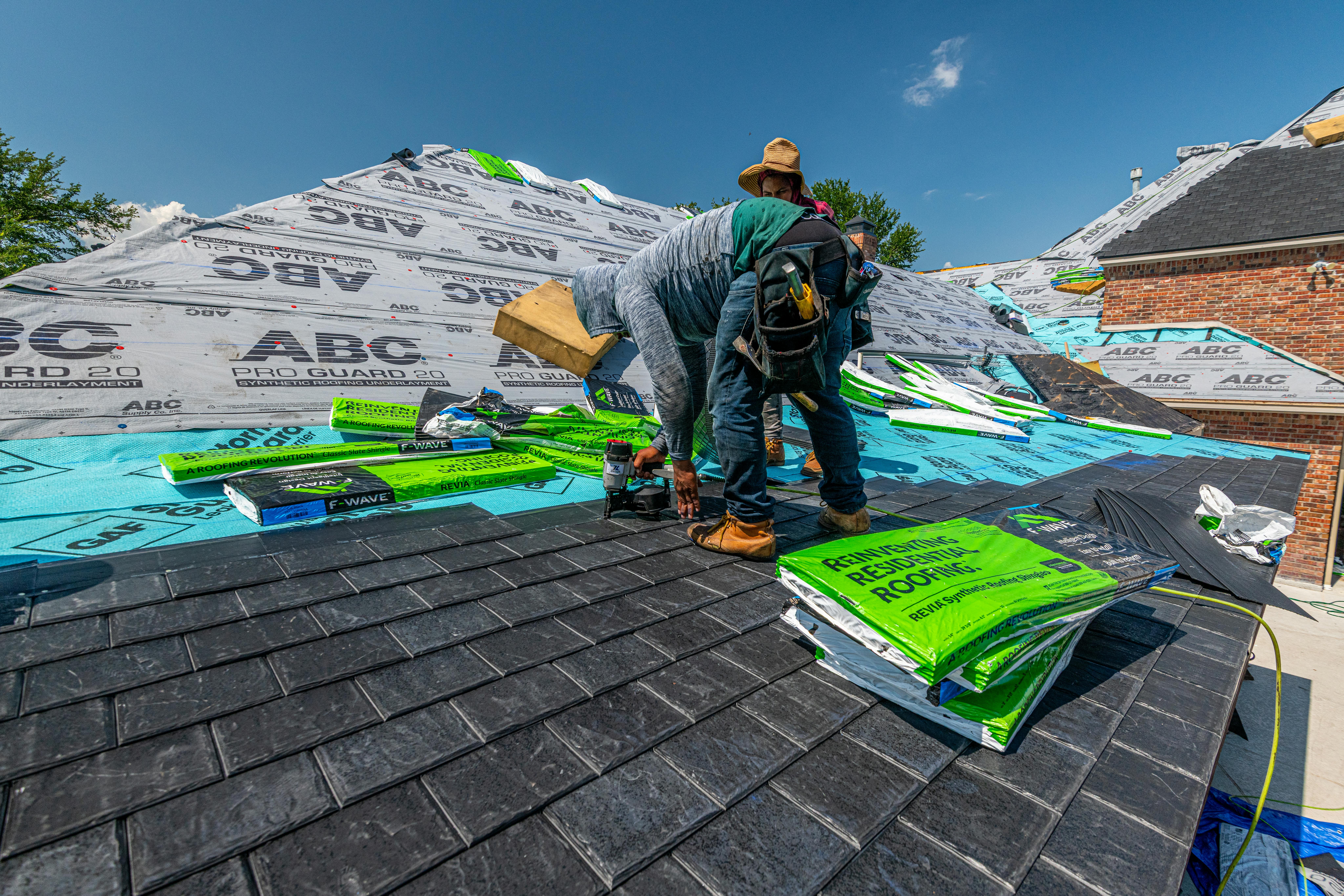
Secondary protection during installation keeps your home dry while contractors work. Underlayment gets installed first, providing immediate weather protection even before shingles go on. This matters during multi-day projects or when weather interrupts work unexpectedly.
Shingle adhesion support comes from underlayment providing a smooth, consistent surface for proper shingle sealing. Uneven or damaged decking would prevent shingles from adhering correctly, but underlayment creates the uniform surface needed for weather-tight installation.
Temperature and moisture buffering between deck and shingles protects both materials. The underlayment layer moderates temperature extremes and prevents moisture from trapped humidity damaging deck materials while keeping shingles from direct contact with potentially damp wood.
Code compliance requirements in most jurisdictions mandate underlayment installation. Building codes recognize its critical protective function and require minimum standards, though these minimum requirements often fall short of optimal protection.
Types Available and Their Differences
Different underlayment types offer dramatically different performance levels, making material selection as important as using underlayment at all.
Asphalt-saturated felt has been the traditional choice for decades. Number 15 and 30 felt papers provide basic protection at low cost but have significant limitations. Felt tears easily during installation, degrades quickly under UV exposure if left uncovered, and performs poorly when wet. Modern alternatives outperform felt substantially.
Synthetic underlayment has largely replaced felt for quality installations. These engineered products use polypropylene or polyethylene materials that resist tearing, handle UV exposure for months if needed, and maintain strength when wet. Synthetic costs more than felt but delivers far superior performance and easier installation.
Rubberized asphalt membranes provide premium protection for critical areas. These self-adhering membranes create watertight seals around penetrations and in valleys where water concentrates. While too expensive for entire roofs typically, they’re essential for vulnerable areas prone to ice damming or wind-driven rain.
Breathable versus non-breathable options affect moisture management differently. Some underlayments allow water vapor to escape from below while blocking liquid water from above. This breathability prevents condensation problems in certain climates and construction types.
Why Quality Matters More Than Cost
Choosing underlayment based solely on price creates expensive problems that far exceed any savings from buying cheap materials.
Lifespan differences between budget and quality products are dramatic. Cheap felt might degrade significantly within 10 to 15 years, while premium synthetics maintain integrity for 30 to 50 years or more. When your shingles last 25 years but underlayment fails at 15, you have a problem requiring expensive intervention.
Tear resistance during installation prevents damage from foot traffic and tools. Felt tears easily during windy conditions or from normal installation activity. Synthetic resists tearing dramatically better, ensuring the installed product actually protects rather than having hundreds of small tears allowing water infiltration.
Water resistance when exposed affects how well underlayment protects during its service life. Felt degrades rapidly when wet, losing strength and protective capability. Synthetic maintains performance even when saturated, continuing to protect during and after water exposure.
UV stability matters when installation extends over multiple days or weather delays occur. Felt breaks down quickly under sun exposure, sometimes failing before shingles even get installed. Quality synthetic handles months of UV exposure without degradation, maintaining full protective capability.
Warranty coverage often depends on underlayment quality. Many shingle manufacturers require specific underlayment types and qualities for their premium warranties. Using cheap felt voids these warranties, leaving you unprotected if shingle problems develop.
Installation Standards That Make or Break Performance
Even the best underlayment fails if installed improperly, making installation quality as critical as material selection.
Proper overlap at seams creates continuous protection without gaps where water can penetrate. Horizontal seams need minimum 2-inch overlap, vertical seams require 6 inches, and these minimums should be exceeded in high-exposure areas. Skimping on overlap to save material creates guaranteed leak points.
Fastener placement and quantity affect how well underlayment stays in place during installation and storms. Too few fasteners allow wind to get underneath and lift or tear the material. Proper fastening follows manufacturer specifications for fastener type, spacing, and placement patterns.
Wrinkle and bubble elimination during installation ensures underlayment lays flat against the deck. Wrinkles create channels where water can travel horizontally rather than shedding off the roof. Bubbles indicate trapped air that will eventually cause problems with shingle adhesion.
Valley treatment requires special attention since these areas concentrate water flow. Many contractors use rubberized membranes in valleys even when using synthetic on field areas. This extra protection in high-stress zones prevents the valley leaks that plague improperly detailed roofs.
Penetration detailing around pipes, vents, and other roof penetrations determines whether these vulnerable areas leak. Proper flashing integration with underlayment creates layered protection preventing water infiltration. Understanding common problems helps prevent typical failure points.
The Ice Dam Protection Nobody Talks About
In cold climates, underlayment’s role in preventing ice dam damage represents one of its most valuable but overlooked functions.
Ice and water shield application along eaves creates sealed protection where ice dams most commonly form. This self-adhering membrane bonds directly to deck, preventing water backup from penetrating even when water sits against it for extended periods.
Proper coverage extending beyond exterior walls ensures protection reaches past the warm interior space causing ice dams. Building codes specify minimum coverage, typically 24 inches beyond the interior wall line, but many experts recommend extending further in severe climates.
Temperature differential understanding explains why ice dams form and how underlayment protects. Warm attic air melts roof snow from below. This water runs down to cold eaves and refreezes, creating dams. Backed-up water works under shingles but can’t penetrate proper underlayment. Properties experiencing winter storms benefit from appropriate protection.
Valley and rake protection with premium membranes prevents water infiltration at these vulnerable locations. Even without ice dams, wind-driven rain and concentrated water flow in valleys can force water under shingles. Sealed underlayment prevents this infiltration.
How It Affects Your Warranty Coverage
Most homeowners don’t realize their roofing warranty depends as much on underlayment as on the shingles themselves.
Manufacturer requirements for premium warranties typically specify minimum underlayment quality and type. Using substandard underlayment voids these warranties completely, leaving you unprotected if shingle defects appear years later.
Installation specifications must be followed exactly for warranty validity. This includes proper overlap, fastening, and integration with other roof components. Contractors cutting corners on underlayment installation void warranties even when using approved materials.
Documentation importance means keeping records of underlayment brand, type, and installation photos. If warranty claims arise years later, you’ll need to prove proper materials were used and installed correctly.
Contractor certification by shingle manufacturers often requires using their approved underlayment products. Certified installers can only maintain their certification by following these material requirements strictly. Companies like Roofing Formula LLC understand these warranty requirements and install accordingly.
The Ventilation Connection
Underlayment selection affects attic ventilation effectiveness more than most people realize, impacting both roof and building health.
Breathable underlayment allows water vapor to escape from attic spaces while blocking liquid water. This vapor permeability prevents moisture buildup that can cause condensation, mold, and structural damage. Non-breathable products trap this vapor, potentially creating problems.
Condensation prevention through proper underlayment selection matters particularly in humid climates or buildings with high interior moisture levels. When warm, moist air contacts cold surfaces, condensation forms. Breathable underlayment allows this moisture to escape before condensing.
Proper ventilation requirements don’t change based on underlayment, but underlayment choice affects how forgiving the system is to ventilation shortcomings. Breathable products help manage moisture even when ventilation is marginal. Understanding insufficient ventilation impacts highlights why this matters.
Climate considerations determine which underlayment characteristics matter most. Hot, humid climates benefit from breathability. Cold climates prioritize ice dam protection. Understanding your local conditions guides material selection.
Cost Versus Value Analysis
Understanding what quality underlayment actually costs relative to total roof replacement helps put the investment in perspective.
Material cost differences between budget felt and premium synthetic might be 500 to 1,500 dollars on a typical residential roof. This represents perhaps 5 to 10 percent of total project cost but affects 100 percent of the roof’s protective capability.
Installation time savings with synthetic underlayment often offset material cost increases. Synthetic is easier to handle, doesn’t tear as easily, and goes down faster than felt. These labor savings reduce or eliminate the material cost premium.
Long-term protection value from quality underlayment dramatically exceeds cost differences. Preventing one leak saves far more than underlayment upgrades cost. The peace of mind from proper protection has value beyond dollars.
Replacement cost avoidance represents underlayment’s greatest value. If cheap underlayment fails while shingles remain good, you face expensive repairs or premature replacement. Quality underlayment lasting as long as your shingles prevents this scenario.
What Contractors Don’t Always Tell You
Some realities about underlayment that contractors might not volunteer unless you ask specific questions.
Minimum code doesn’t equal optimal protection. Building codes specify minimum acceptable standards, not best practices. Contractors bidding minimum code compliance deliver legally acceptable but not necessarily optimal results.
Cheapest bid usually means cheapest underlayment among other cost-cutting measures. When one bid is significantly lower than others, cheap underlayment often explains part of the difference. Asking specific questions about underlayment type and quality reveals these differences.
Upgrade options exist even if not mentioned in initial bids. Many contractors default to basic underlayment but will upgrade if asked. Discussing underlayment options during estimating lets you make informed choices rather than defaulting to whatever the contractor planned.
Visual inspection impossibility means you can’t verify underlayment quality after shingles get installed. This makes upfront specification and trust in your contractor essential. Choosing reputable contractors prevents problems from hidden substandard materials.
When Underlayment Needs Attention
Certain situations require addressing underlayment even when visible roofing appears fine.
Partial roof replacement often reveals underlayment problems in adjacent areas. When replacing one roof section, contractors can see underlayment condition on adjoining areas still covered. This visibility reveals whether broader work is needed.
Leak investigation sometimes traces problems to underlayment failure rather than obvious shingle damage. Discovering this during repairs raises questions about overall underlayment condition and whether comprehensive replacement makes more sense than patching.
Renovation and addition work requiring roof modifications exposes existing underlayment. Seeing its condition helps determine whether new work should include underlayment replacement beyond just the addition area.
Storm damage assessment after major weather events should include underlayment inspection when shingles get removed for any reason. Hidden damage might not show through intact shingles but becomes obvious once they’re removed.
Future-Proofing Your Investment
Selecting underlayment with future needs in mind protects against having to make difficult decisions later.
Overhang considerations for potential future additions or modifications mean extending quality underlayment slightly beyond current needs. This prevents mismatches if you later extend your roof.
Premium materials throughout rather than mixed quality ensures consistent protection across your entire roof. Using premium underlayment in some areas but cheap material elsewhere creates uneven protection and future replacement complications.
Documentation for future reference including photos of underlayment during installation, material specifications, and installation date helps future contractors assess condition if problems develop or additions get planned.
Maintenance planning including periodic maintenance schedules helps ensure your roof system, including underlayment, delivers its full expected lifespan through proper care.
Conclusion
Understanding what roofing paper actually does transforms it from an invisible afterthought into a recognized critical component deserving careful material selection and proper installation.
This hidden layer serves as your roof’s true waterproof barrier, protecting against the inevitable water intrusion that occurs when visible roofing materials fail or are bypassed by wind-driven rain and ice dams. Quality underlayment adds relatively little to total project costs while dramatically affecting leak protection, roof system longevity, and warranty validity.
Whether replacing an aging roof or building new, insisting on premium synthetic underlayment installed according to manufacturer specifications ensures your roof delivers the protection you’re paying for rather than having a weak link hidden beneath beautiful shingles. Your home’s protection depends on this roofing paper layer working properly for decades.
Frequently Asked Questions (FAQs)
1. What Is the Difference Between Felt and Synthetic Roofing Paper?
Traditional felt roofing paper uses asphalt-saturated organic materials that tear easily, degrade under UV exposure, and lose strength when wet. Synthetic underlayment uses engineered polypropylene or polyethylene materials that resist tearing during installation, handle months of UV exposure without degradation, and maintain full strength even when saturated.
Synthetic costs more but installs faster with less waste, lasts significantly longer, and provides superior protection throughout its life. Most quality contractors have switched to synthetic for everything except budget projects. The performance difference is substantial enough that synthetic has largely replaced felt as the professional standard despite higher material costs.
2. How Long Does Roofing Paper Last Under Shingles?
Quality synthetic roofing paper lasts 30 to 50 years or more under shingles when properly installed, often matching or exceeding shingle lifespan. Traditional felt paper degrades much faster, potentially failing in 10 to 20 years depending on quality and conditions.
The underlayment lifespan matters enormously because if it fails while shingles remain good, you face expensive repairs or premature replacement.
Premium synthetic products maintain integrity for decades, ensuring your roof’s waterproof barrier lasts as long as the visible materials. This longevity makes quality underlayment essential for protecting your investment over the roof’s expected lifetime.
3. Can You Install New Shingles Over Old Roofing Paper?
Installing new shingles over old underlayment is technically possible but rarely recommended by quality contractors. Old underlayment has already experienced years of moisture exposure, temperature cycling, and potential damage that compromise its protective capability. You also cannot inspect the roof deck for damage when leaving old underlayment in place.
Most building codes and manufacturer warranties require new underlayment with new shingles to ensure proper protection and maintain warranty coverage. The cost savings from reusing old underlayment are minimal compared to project totals but create significant risk of premature failure. Professional installations include new underlayment as standard practice.
4. Do I Need Ice and Water Shield on My Entire Roof?
Ice and water shield across entire roofs is unnecessary and cost-prohibitive for most applications.
This premium self-adhering membrane costs significantly more than standard underlayment and is typically used only in critical areas including eaves where ice dams form, valleys where water concentrates, around penetrations like chimneys and skylights, and along rakes in high-wind areas.
Building codes specify minimum ice and water shield coverage based on climate, typically requiring it at least 24 inches beyond exterior walls in cold regions. Some contractors recommend extending this coverage further in areas with severe ice dam problems.
Standard synthetic underlayment provides adequate protection for field areas away from these vulnerable zones.
5. Does Roofing Paper Quality Affect My Shingle Warranty?
Roofing paper quality directly affects shingle warranty coverage in most cases. Premium shingle warranties from major manufacturers require specific underlayment types meeting minimum standards, proper installation following their specifications, and often certified contractor installation.
Using substandard underlayment or improper installation voids these warranties completely even if shingle defects later appear. Manufacturer requirements typically specify synthetic underlayment with certain performance characteristics and ice and water shield in designated areas.
Before accepting the cheapest roofing bid, verify what underlayment is included and whether it meets warranty requirements. Saving money on underlayment while voiding a valuable 30 to 50 year warranty makes no financial sense.