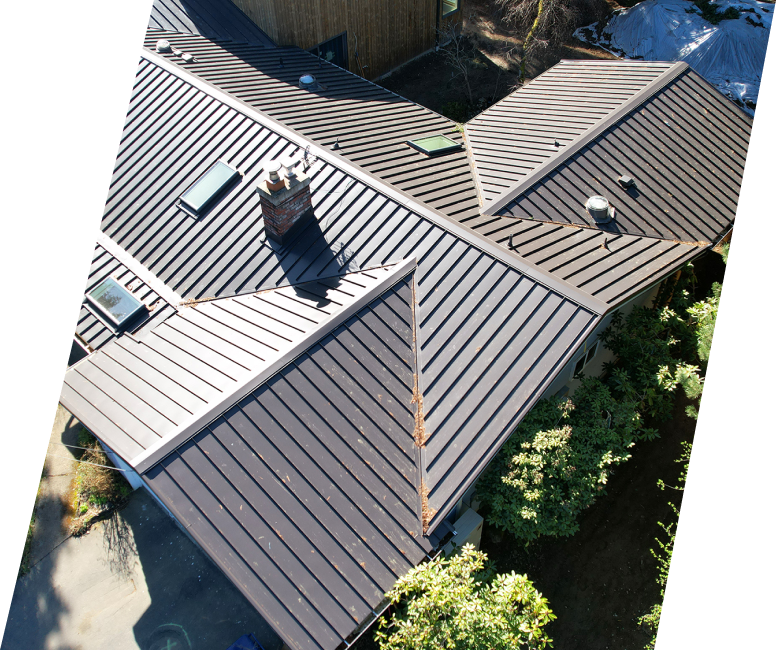
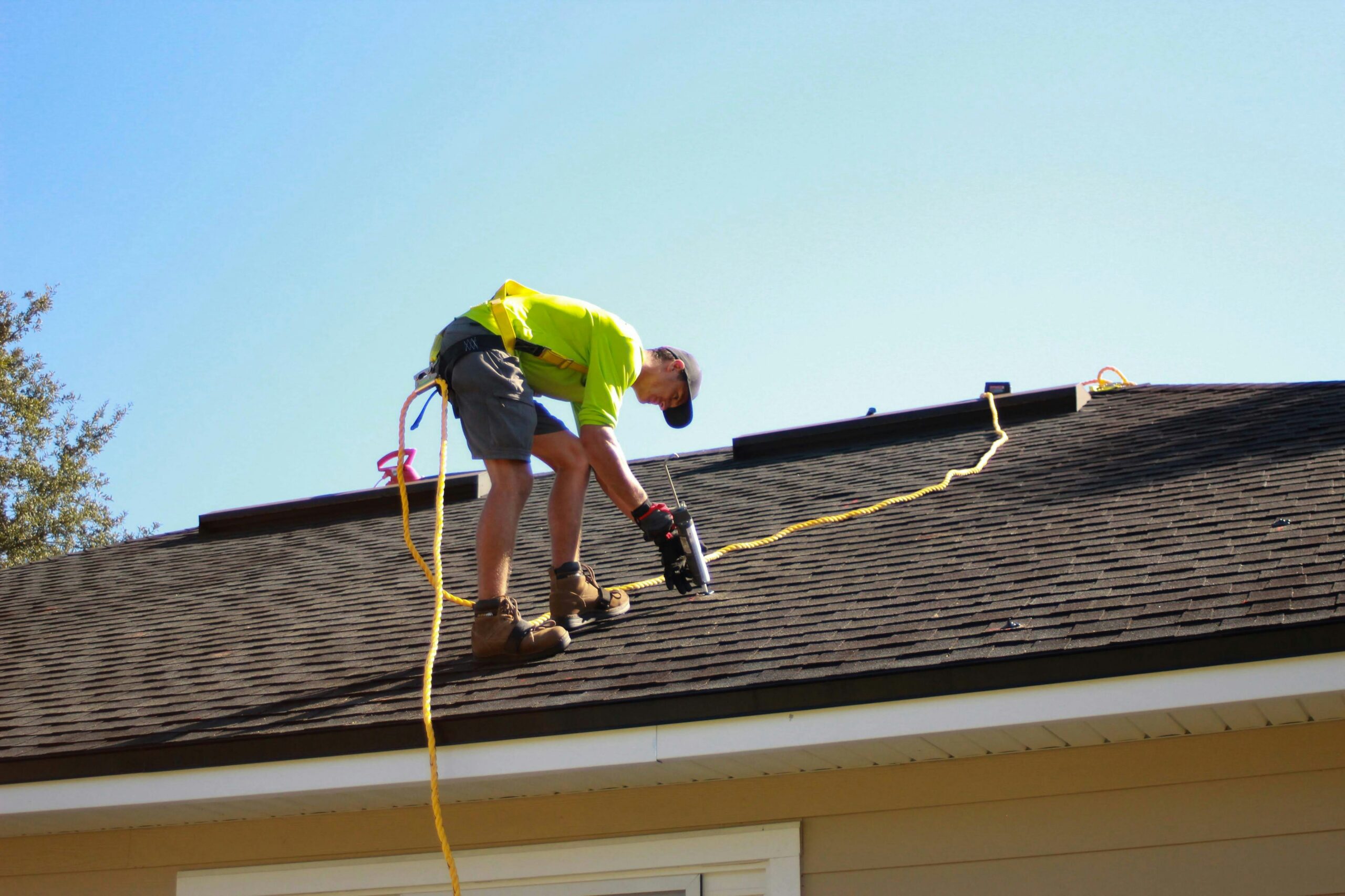
Property owners planning roof replacement often underestimate how much time the project requires, assuming a few days of work suffices when reality frequently extends to 2 to 3 weeks from start to final cleanup.
Understanding the actual roof replacement timeline helps you plan logistics, arrange for occupants to be away if needed, and set realistic expectations for when your roof will be complete.
The time required depends on numerous factors including your roof’s size and complexity, existing material conditions, weather cooperation, local permit requirements, and contractor crew size. Breaking down each project phase reveals where time gets consumed and what factors most significantly affect how quickly your roof replacement can be completed.
The Inspection and Permitting Phase
Before any work begins, several important steps must be completed that homeowners often don’t anticipate consuming significant time.
Initial inspection and estimate typically takes 1 to 2 hours depending on roof complexity. Contractors measure roof dimensions, assess existing conditions, identify potential complications, and note special requirements.
This visit establishes the project scope and budget. Multiple estimates mean multiple inspections, consuming days if homeowners request several bids.
Permit application and approval processes vary dramatically by jurisdiction. Some areas process roof permits within 24 to 48 hours online, while others require 2 to 4 weeks for review and approval. Certain jurisdictions require inspections at multiple project stages, extending timelines further.
Understanding local requirements helps set realistic expectations. Some areas classify roof replacement as routine requiring minimal oversight, while others treat it as major work demanding extensive documentation.
Design and material selection if not already decided takes additional time. Choosing shingle colors, material specifications, and special features like ventilation improvements extends the pre-construction period. Homeowners who delay these decisions delay project start dates.
Financing arrangements and payment scheduling must be finalized before work begins. This typically takes several days for paperwork and formal approvals. Some contractors require deposits before scheduling work.
The Tear-Off Phase
Removing existing roofing represents the most labor-intensive and time-consuming portion of most replacement projects.
Single-layer tear-off on homes with basic roofing might take only 1 to 2 days with a full crew. Removing one layer of asphalt shingles from a typical 1,500 square foot residential roof can be accomplished relatively quickly when conditions cooperate.
Multi-layer removal significantly extends timeline. Homes with 2 or 3 layers of old shingles, particularly if they include old slate or wood shakes, require substantially more time. Each additional layer adds 1 to 3 days depending on material type and how well it adheres to underlying layers.
Roof complexity multiplies tear-off time. Simple gable roofs with minimal penetrations tear off much faster than complex roofs with dormers, valleys, and numerous roof planes. A simple roof might complete in 1 day, while complex roofs require 2 to 4 days of tear-off work alone.
Structural repairs discovered during tear-off add unpredictable time. If deck is damaged or rotted and requires replacement, this might add several days.
Learning what a professional roof inspection should cover helps you understand what contractors are looking for and why certain repairs take longer than anticipated. Quality contractors identify these issues early and communicate replacement needs immediately so homeowners understand timeline impacts.
Disposal and cleanup following tear-off takes additional time. Dumpster placement, material staging, and thorough cleanup of debris ensures safe working conditions for subsequent phases.
The Deck Preparation and Inspection Phase
After tear-off, careful deck preparation and inspection before new installation begins ensures quality results.
Visual inspection of exposed deck takes 1 to 2 hours for typical roofs. Contractors check for rot, structural damage, inadequate ventilation, and other conditions affecting the new roof installation. This inspection often happens the same day tear-off completes.
Deck repairs if needed extend timeline unpredictably. Minor repairs might take a few hours, while significant rotted sections require 1 to 3 days or more. The extent of problems discovered only becomes apparent after removal, explaining why repair timelines are difficult to predict upfront.
Deck cleaning and preparation takes 1 to 2 hours on most roofs. Contractors clean debris, remove old nails, and prepare surfaces for underlayment installation. Some areas require power washing to remove mold or contaminants before new materials go down.
Ventilation improvements or repairs if specified take 1 to 2 days depending on scope. Adding ventilation or repairing existing systems happens during this phase before new roofing goes on.
The Underlayment Installation Phase
Proper underlayment installation is critical and cannot be rushed if quality protection is the goal.
Underlayment installation typically takes 1 to 2 days depending on roof size and complexity. Crews carefully lay underlayment with proper overlaps, secure it appropriately, and detail around penetrations. This work cannot be rushed without sacrificing quality that determines how well your roof protects your home.
Valley and penetration detailing around pipes, vents, and flashing takes extra time and precision. Thorough work in these vulnerable areas prevents future leaks but requires more time than basic field installation.
Ice and water shield application in required areas adds several hours. This premium membrane gets detailed carefully around eaves, valleys, and penetrations where water concentrates.
The New Roofing Installation Phase
Actual new roofing installation represents the visible work most people think of as the roof replacement.
Shingle or material installation timing depends significantly on crew size and roof complexity. A 1,500 square foot simple gable roof with a large experienced crew might complete in 1 day. The same roof with a smaller crew could take 2 to 3 days. Complex roofs with dormers and valleys require 3 to 5 days or more.
Ridge and hip caps require careful installation and take additional time after field areas complete. This finishing work affects weather protection and aesthetics significantly.
Flashing installation around penetrations and edges happens as part of main installation. Complex flashing work takes more time but is essential for preventing leaks.
Material shortages or delivery problems discovered during installation create unexpected delays. Quality contractors maintain buffer stock preventing this but problems occasionally occur with special materials or color availability.
The Finishing and Cleanup Phase
Final work completing the project takes 1 to 2 days depending on what additional work was required.
Final inspection and cleanup takes several hours. Contractors inspect completed work, verify all components are installed correctly, photograph results for documentation, and perform thorough site cleanup. This final inspection ensures everything meets standards before you sign off.
Gutter cleaning and final landscaping restoration takes additional time if included in your contract. Removing protective coverings from landscaping and cleaning gutters filled with roofing debris adds several hours of work.
Touch-up work and final adjustments might be needed if minor issues appear during inspection. Most contractors address these immediately to complete projects properly.
Factors That Most Significantly Affect Timeline
Understanding what drives timeline variations helps set realistic expectations for your specific situation.
Weather cooperation represents the single biggest variable. Rain or excessive wind shuts down work completely, adding days to timelines. Projects scheduled during rainy seasons should include contingency time.
Roof size obviously affects time required. A 1,200 square foot roof takes less time than a 3,000 square foot roof. Steeper pitches also take longer due to safety requirements and slower working pace required on steep angles.
Existing roof condition creates unpredictable timeline impacts. Well-maintained roofs tear off quickly and present no surprises. Neglected roofs might have hidden damage requiring expensive and time-consuming repairs. Understanding common problems helps anticipate potential complications.
Material complexity affects installation speed. Basic asphalt shingles install faster than metal roofing requiring specialized equipment. Premium underlayment and detailed flashing work take more time than basic installations.
Crew size and experience dramatically affect pace. Large experienced crews complete work faster than small crews or inexperienced workers. Specialty work like standing seam metal roofing requires experienced crews capable of working efficiently.
Permit requirements and inspection timing can extend total project duration significantly. Areas requiring inspections at multiple phases or slow permitting processes add weeks beyond actual work time.
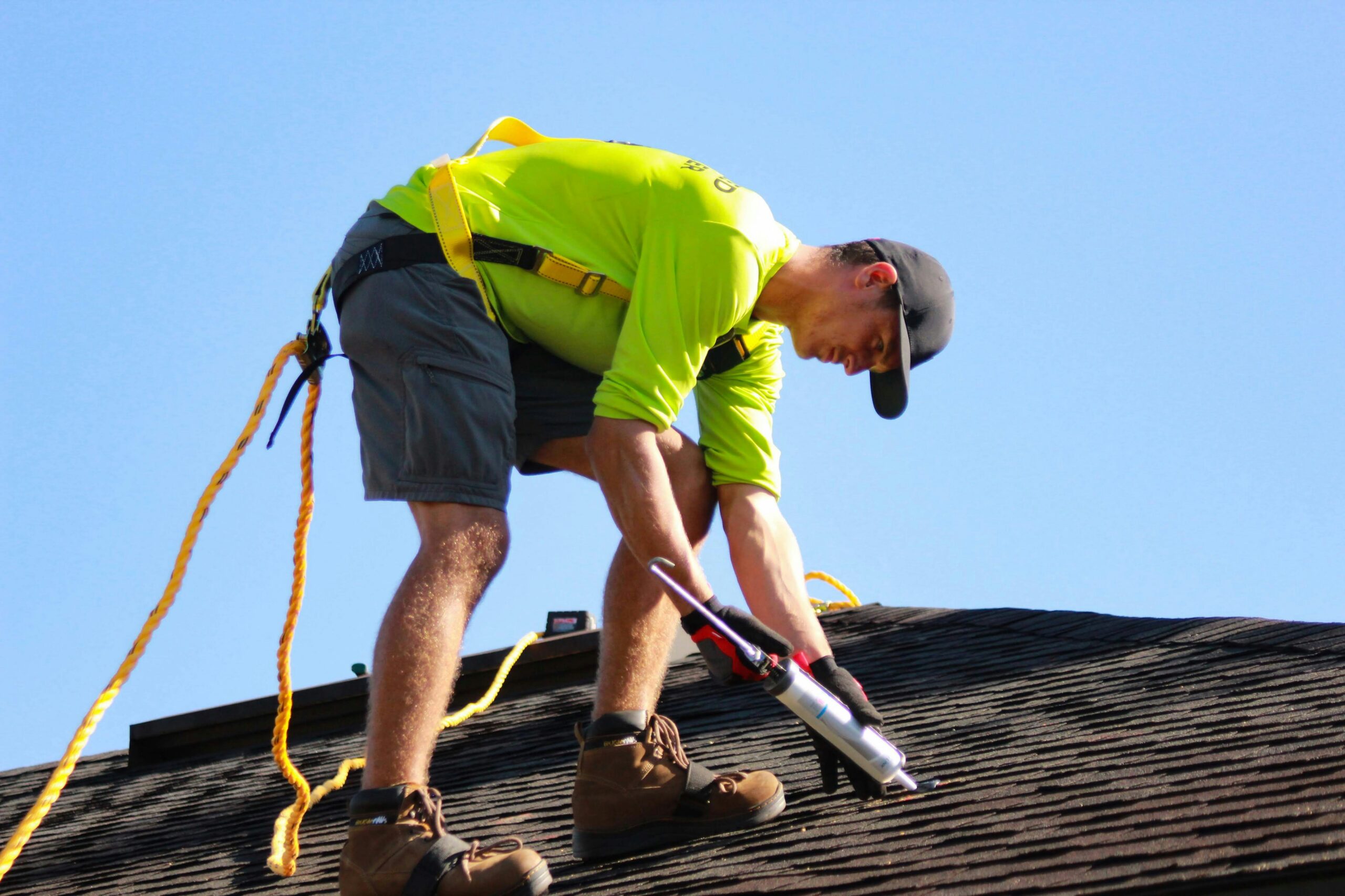
Realistic Timeline Expectations by Project Type
Different situations require different timeframes based on scope and conditions.
Basic residential asphalt shingle replacement on a simple roof typically takes 3 to 5 days from permit approval to final completion. This timeline includes tear-off, preparation, underlayment, shingle installation, and cleanup. Understanding how to create renovation timelines helps you anticipate what comes next in any major home project.
Metal roofing installation generally requires 5 to 7 days due to specialized installation requirements and greater complexity. The longer timeline reflects material handling requirements and precision needed for quality installation.
Complex residential replacements involving repairs or special conditions might require 2 to 3 weeks. When unexpected conditions arise or extensive repairs become necessary, timelines extend considerably.
Commercial roofing projects vary dramatically based on size but often require several weeks. Large commercial roofs might take 4 to 8 weeks depending on scope, weather, and permit requirements.
Seasonal Timing Considerations
When you schedule replacement affects how quickly the project can be completed.
Spring and fall offer optimal conditions for roof replacement work. Moderate temperatures, reasonable weather patterns, and shorter contractor schedules allow faster project completion.
Understanding roofing seasons helps you plan strategically, since late spring and fall offer the best shingle adhesion while avoiding summer’s peak pricing and winter’s cold-weather challenges.
Summer heat affects worker productivity and safety. Extreme heat requires additional safety measures and frequent breaks, slowing pace. Additionally, peak season means longer waiting periods before crews become available.
Winter replacement faces obvious challenges. Cold temperatures, shorter daylight hours, and weather delays extend timelines significantly. Planning ahead for spring roof replacement helps you secure contractor availability and avoid winter complications.
Rainy season timing creates weather delay risk. Projects scheduled during typical wet periods should include extra contingency time expecting weather interruptions.
Permit and Inspection Timeline Extensions
Many property owners don’t anticipate how permits and inspections extend overall timelines.
Permit approval waiting adds 1 to 4 weeks before work can begin. Some jurisdictions approve permits online within 24 hours, while others require 2 to 4 weeks for review. Understanding what building permits require helps explain why these timelines vary so dramatically by location.
Inspection scheduling adds 1 to 2 weeks in jurisdictions requiring final inspection. Building inspectors might not be available for several days, delaying project completion beyond actual work finish dates. Understanding roof inspections and their timing helps you anticipate these delays and plan realistic completion expectations.
Multiple required inspections at different project phases can extend total duration significantly. Some areas require inspections after tear-off, after underlayment, and after final installation completion.
Code compliance work discovered during inspections adds time. If inspectors identify items not meeting current code, these must be corrected before final approval.
How to Minimize Your Roof Replacement Timeline
While weather and structural conditions create unavoidable delays, certain actions help keep projects moving efficiently.
Pre-scheduling with contractors during off-season gets your project on schedules before busy periods. This advance planning lets contractors allocate crew time efficiently rather than fitting you in reactively.
Preparing for known challenges beforehand prevents delays. If you know your roof likely needs deck repairs, having this addressed quickly prevents extended delays.
Making decisions before work begins prevents pause-and-wait situations. Selecting materials, colors, and specifications upfront lets work proceed continuously rather than stopping to wait for decisions.
Clear communication with contractors about timelines and expectations sets shared understanding. Discussing contingency plans for potential weather delays or discovered problems keeps everyone prepared for variations.
Companies like Roofing Formula LLC communicate clearly about realistic timelines preventing frustration from unrealistic expectations.
Flexible project timing if possible helps. If you can accommodate 2 to 3 week durations rather than demanding 5-day completion, contractors have more flexibility and can sometimes move faster. Learning how to plan home improvement projects effectively helps minimize unnecessary delays.
Planning for Project Disruption
Understanding likely disruption helps you plan accordingly during roof replacement work.
Site access requirements mean contractors need clear space around your home. Removing vehicles from driveways and clearing landscaping around your house allows equipment placement and material access.
Noise and dust are inevitable. Understanding your roof replacement will be loud and dusty for several days helps you plan alternate schedules if needed. Arranging to be elsewhere during tear-off days if you’re noise-sensitive prevents frustration.
Debris management requires dumpster access. Most contractors arrange dumpsters, but discussing placement before work begins prevents problems. Following maintain your roof afterward helps your new roof perform optimally.
Weather contingencies mean having backup plans. Projects might not complete as originally scheduled if weather intervenes.
Conclusion
Realistic roof replacement timelines typically span 5 days to 3 weeks from permit approval through final completion depending on roof size, complexity, existing conditions, weather cooperation, and local permitting requirements. Understanding what extends timelines helps you set proper expectations and plan accordingly rather than assuming quick completion.
Large experienced crews with good weather conditions on simple roofs might accomplish replacement in 5 to 7 days, while complex roofs with repairs, permit delays, or weather interruptions might require 2 to 3 weeks.
Understanding common renovation delays helps you anticipate obstacles and communicate clearly with contractors about realistic timelines. Your roof replacement timeline depends on multiple factors, but advance planning and honest assessment of potential complications help you manage the process successfully from start to finish.
Frequently Asked Questions (FAQs)
1. Can a Roof Replacement Be Completed in One Day?
One-day roof replacement is theoretically possible on very small, simple roofs with perfect conditions and a large crew, but extremely rare in practical reality. A basic 1,200 square foot gable roof in perfect condition with a full 4 to 6 person crew, no deck repairs, and ideal weather might compress into a single long day.
However, this leaves no margin for unexpected complications. Most contractors recommend 2 to 3 days minimum for small roofs to ensure quality work and proper installation.
More realistically, expect 3 to 5 days for typical residential replacements including tear-off, preparation, underlayment, installation, and cleanup. Rushing work to meet unrealistic timelines often results in quality compromises that create expensive problems later.
2. What Takes the Longest During Roof Replacement?
Tear-off of existing roofing typically consumes the most time in roof replacement projects. Removing old materials, dealing with disposal, and preparing the deck often takes 40 to 50 percent of total project time depending on how many layers need removal and what surprises the old roof conceals.
After tear-off, unexpected repairs discovered during deck inspection might consume significant additional time. If your roof has rotted sections or structural damage, these repairs add days to timelines.
Weather delays represent another major time consumer, easily adding 1 to 2 weeks if rainy conditions interrupt work. Installation of new roofing itself takes less time than many assume, often completing in 1 to 3 days on typical roofs.
3. How Does Crew Size Affect Roof Replacement Timeline?
Larger, more experienced crews complete roof replacement faster than smaller crews. A four-person crew accomplishes similar work in roughly 1.5 times the days of a six-person crew. However, extremely large crews sometimes create coordination challenges and actually slow progress.
Most efficient crews are 4 to 6 people mixing experienced workers with helpers. Additionally, crew experience matters as much as size. Skilled experienced crews work more efficiently than large crews with newer workers.
Weather and existing roof conditions often determine timeline more than crew size, so don’t assume bigger crews guarantee proportionally faster completion. Some contractors offer larger crews for premium pricing to expedite timelines.
4. Do Permit Requirements Really Add Weeks to Timelines?
Permit requirements absolutely affect timelines in many jurisdictions. Some areas process roof permits online within 24 hours, while others require 2 to 4 weeks for review and approval. Jurisdictions also vary on whether final inspection approval is required before considering work complete.
Areas requiring inspections at project conclusion can add 1 to 2 weeks if inspectors aren’t immediately available. In total, permits and inspections can add 1 to 4 weeks to overall project duration depending on your location.
Knowing your local requirements when planning projects helps set realistic expectations. Some contractors help with permit applications, potentially expediting the process.
5. Why Do Contractors Give Time Range Estimates Instead of Specific Dates?
Contractors give time range estimates because legitimate factors beyond their control affect when projects actually complete. Weather represents the biggest variable, potentially adding or subtracting days unexpectedly.
Existing roof conditions discovered during tear-off might reveal repairs needed or straightforward conditions finishing faster than anticipated. Permit and inspection approval timing varies unpredictably. Contractor availability and crew scheduling affect start dates. Material delivery issues occasionally arise.
Honest contractors acknowledge these variables and provide realistic ranges rather than false confidence in specific dates. While ranges might seem less precise, they’re more accurate than false specificity promising completion dates that weather or unexpected conditions prevent meeting.