Choosing between different metal roofing types feels overwhelming when you’re unfamiliar with the distinctions between standing seam, corrugated, ribbed panels, metal shingles, and other options flooding the market.
Each style offers distinct advantages for specific applications, budgets, and aesthetic preferences, making the selection process about matching characteristics to your needs rather than finding one universally best option.
Whether you’re roofing a residential home, commercial building, or agricultural structure in the Greater Puget Sound area, understanding what separates these systems helps you make informed decisions that deliver the performance, appearance, and value you’re seeking.
Standing Seam Metal Roofing
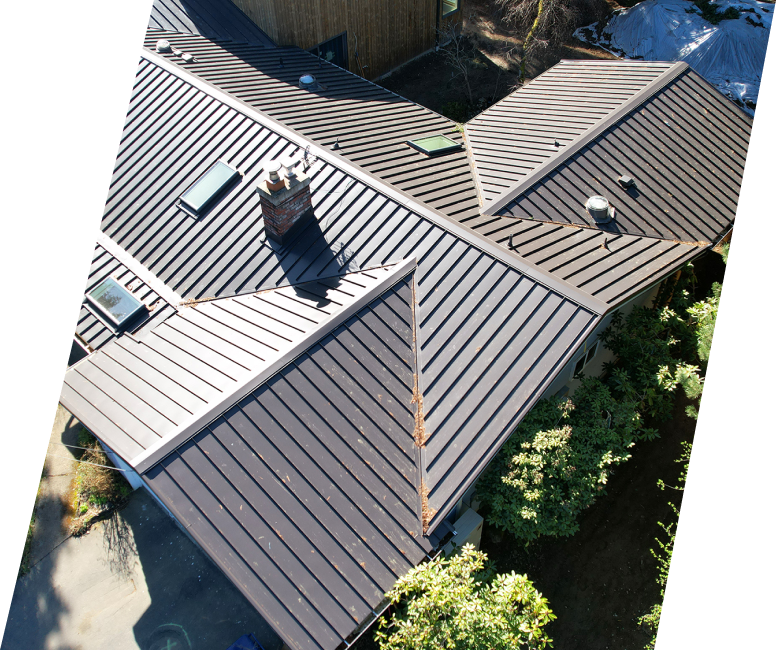
Standing seam systems represent the premium end of metal roofing, offering clean modern aesthetics and superior performance characteristics that justify higher costs for many applications.
Concealed fastener design means no screws penetrate the roof surface where water flows. Fasteners attach panels to the deck through hidden clips, then vertical seams snap or crimp together covering the attachment points. This eliminates the most common leak source in exposed fastener systems.
Thermal movement accommodation through the clip system allows panels to expand and contract with temperature changes without stressing fasteners or creating oil canning. The panels literally float on the clips, moving freely as needed.
Sleek contemporary appearance suits modern architectural designs beautifully. The clean lines and vertical seams create sophisticated looks that complement contemporary homes and commercial buildings. Color options range from traditional to bold modern choices.
Premium pricing reflects the specialized installation skills, equipment requirements, and material costs. Standing seam typically costs double or more compared to exposed fastener systems. However, the longevity and reduced maintenance often justify the investment.
Best applications include high-end residential homes where aesthetics matter, commercial buildings seeking professional appearance, architectural projects with modern design elements, and any application where concealed fasteners are worth the premium.
Professional Standing Seam Installation
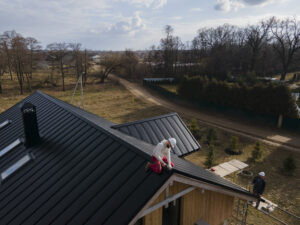
Premium standing seam systems require expert installation to deliver their full performance potential and longevity benefits.
Standing Seam Metal Roof Installation
Professional standing seam installation delivers the superior performance this premium system is designed for through proper execution.
Why This Service Matters:
- Specialized seaming equipment and certified training ensure watertight connections between panels using proper crimping or snap-lock techniques that DIY attempts cannot replicate.
- Correct clip placement and attachment methods allow thermal expansion and contraction without creating stress points, oil canning, or fastener failure common with inexperienced installations.
- Manufacturer warranty protection remains valid only with certified professional installation, safeguarding your significant investment with coverage that extends decades.
Corrugated Metal Panels
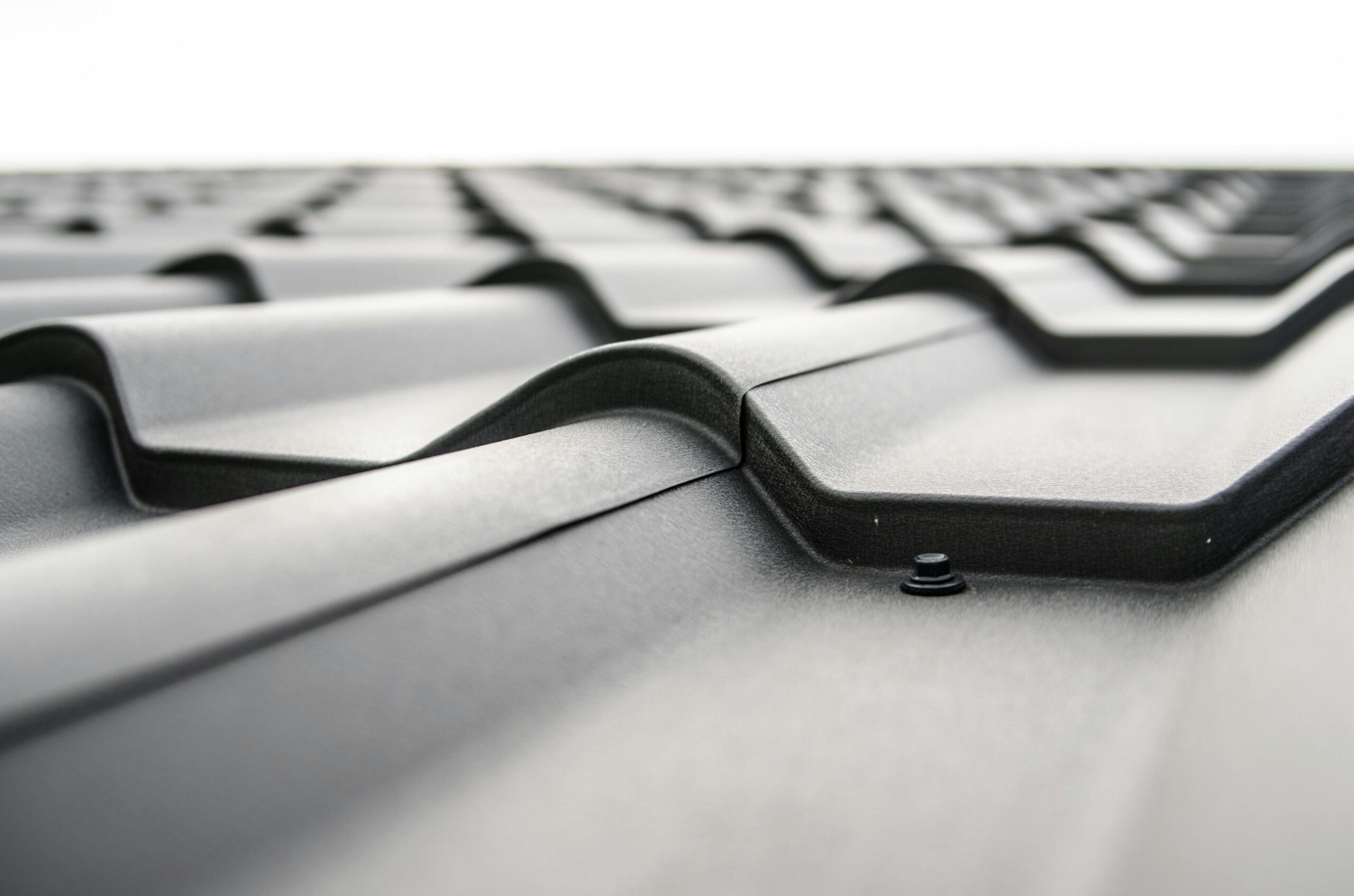
Corrugated panels are the workhorses of metal roofing, offering proven performance at affordable prices with that distinctive wavy profile recognized everywhere.
Exposed fastener installation through panel valleys or peaks makes installation straightforward and less expensive than standing seam. The tradeoff is periodic fastener maintenance checking for loosening or weathering.
Structural strength from the corrugation pattern allows relatively thin metal to span long distances. Those waves aren’t decorative but engineered reinforcement that makes panels rigid despite being lightweight.
Agricultural and industrial heritage means corrugated panels look natural on barns, sheds, and utilitarian structures. However, modern residential applications increasingly embrace the aesthetic for farmhouse and industrial design styles.
Economy pricing makes corrugated panels the most affordable metal roofing option. Material and installation costs come in significantly below standing seam while still delivering metal’s durability advantages over asphalt shingles.
Best applications include agricultural buildings where function trumps aesthetics, residential homes embracing farmhouse or industrial styles, budget-conscious projects needing metal durability without premium costs, and temporary or secondary structures.
R-Panel and Similar Ribbed Profiles
R-panel and similar ribbed metal profiles split the difference between corrugated and standing seam, offering clean aesthetics at moderate prices.
Shallow rib design creates visual interest without the pronounced waves of corrugated panels. The subtler profile suits applications where corrugation feels too industrial but standing seam exceeds the budget.
Exposed fastener system similar to corrugated keeps costs reasonable while providing good weather protection. Proper installation with quality fasteners and washers ensures long-term performance.
Residential compatibility makes ribbed panels popular for homes wanting metal roofing benefits without corrugated’s rustic appearance or standing seam’s premium cost. The look bridges traditional and contemporary styles.
Moderate pricing positions R-panel between economy corrugated and premium standing seam. You get cleaner aesthetics than corrugation without paying standing seam prices.
Best applications include residential homes seeking middle-ground aesthetics and pricing, commercial buildings with moderate budgets, covered porches and additions where appearance matters but standing seam isn’t justified, and any project wanting something beyond corrugated without going full premium.
Comprehensive Metal Roofing Services
Professional expertise across all metal roofing types ensures proper installation and long-term performance regardless of which style you select.
Metal Roofing Repair and Installation
Expert metal roofing services cover new installations, repairs, and maintenance across all metal panel types and profiles.
Why This Service Matters:
- Multi-system expertise means proper handling of standing seam, corrugated, R-panel, and specialty profiles with installation techniques specific to each type’s unique requirements.
- Material and gauge selection guidance ensures appropriate metal choice, thickness, and protective coatings based on your climate exposure, building structure, and performance expectations.
- Quality workmanship from experienced crews prevents common installation errors like improper fastening, inadequate overlap, or thermal movement restrictions that cause premature failures.
Metal Shingle and Tile Profiles
Metal shingles and tiles mimic traditional roofing materials while delivering metal’s durability and longevity advantages.
Traditional appearance replicates wood shakes, slate tiles, or dimensional asphalt shingles. From street level, quality metal shingles convincingly mimic these traditional materials while lasting far longer.
Individual panel installation allows more complex roof geometries than long panels. Dormers, valleys, hips, and architectural details that challenge standing seam or corrugated panels work well with shingle-style metal.
Warranty coverage often exceeds 50 years for quality products, dramatically outlasting the materials they imitate. This longevity in a traditional-looking package appeals to historic districts or personal preferences for classic aesthetics.
Higher cost than panel systems reflects the manufacturing complexity and installation labor. Metal shingles typically cost more than corrugated but may cost less than standing seam depending on the product.
Best applications include historic home renovations maintaining traditional appearance, neighborhoods with aesthetic restrictions, homeowners wanting traditional looks with metal benefits, and complex roof geometries where panels prove difficult.
Stone-Coated Steel Roofing
Stone-coated steel combines metal’s structural benefits with textured coatings that replicate tile, shake, or shingle appearance while adding acoustic dampening.
Granular coating of stone chips bonded to steel panels provides texture, color depth, and sound dampening. The coating addresses metal roofing’s noise concerns while adding aesthetic dimension.
Traditional appearance options include tile profiles popular in Mediterranean or Spanish architecture, shake patterns for craftsman styles, and shingle looks for traditional homes. The variety suits diverse architectural preferences.
Sound reduction from the coating layer makes these systems quieter during rain and hail compared to bare metal panels. This matters for homeowners concerned about noise.
Premium pricing reflects the coating process and specialized installation requirements. Stone-coated steel costs more than basic metal panels but delivers unique benefits justifying the investment for appropriate applications.
Best applications include tile-style homes where clay tile weight concerns exist, noise-sensitive locations like bedrooms directly under roof surfaces, architectural styles demanding textured appearance, and properties where traditional looks meet durability requirements.
Aluminum Versus Steel Options
Material selection between aluminum and steel affects performance, longevity, weight, and cost across all profile types.
Aluminum advantages include natural corrosion resistance making it ideal for coastal areas, lighter weight reducing structural demands, and immunity to rust even when scratched. Aluminum works particularly well in salt air environments.
Steel advantages include lower cost per square foot, greater dent resistance from impacts, wider color selection, and availability in more profile types. Steel dominates the market due to cost advantages.
Coating importance matters more for steel than aluminum. Steel requires protective coatings preventing rust, while aluminum resists corrosion naturally. Understanding which roofing materials perform best in your climate helps with selection.
Weight differences affect structural requirements. Aluminum’s lighter weight sometimes allows installation over existing roofs without structural concerns, while heavier steel may require reinforcement.
Gauge Thickness Considerations
Metal thickness significantly impacts durability, cost, and performance regardless of profile type selected.
Common residential gauges range from 29 gauge (thinner) to 22 gauge (thicker). Thicker metal costs more but provides better dent resistance and longevity. Most residential applications use 26 or 29 gauge successfully.
Dent resistance improves with thickness. If hail frequently occurs in your area or large branches overhang your roof, thicker gauges prevent damage that would dent thinner metal.
Spanning capabilities increase with thickness. Thicker metal bridges longer distances between supports without oil canning or flexing. This matters when structural design limits support spacing.
Cost versus benefit analysis shows diminishing returns beyond certain thicknesses for residential applications. The jump from 29 to 26 gauge provides noticeable benefits, while going from 26 to 24 gauge costs significantly more for minimal practical improvement in most residential settings.
Color and Finish Options
Surface coatings dramatically affect appearance, longevity, energy efficiency, and maintenance requirements across all metal roofing types.
Kynar or PVDF coatings provide the longest-lasting color retention and chalk resistance. These premium finishes maintain appearance for 30 to 40 years with minimal fading, justifying higher costs for quality-focused projects.
Polyester coatings cost less but fade faster, typically showing noticeable color change within 10 to 15 years. These suit budget applications or situations where appearance changes matter less.
Reflective properties vary by color choice. Light colors reflect more solar heat, reducing cooling costs significantly. Dark colors absorb heat, potentially warming buildings in winter but increasing summer cooling needs.
Custom colors beyond standard offerings cost more but allow precise architectural matching. Stock colors work for most projects, but custom colors matter when matching existing structures or specific design requirements.
Climate Suitability By Type
Different metal roofing types perform differently in varying climate conditions, making local weather patterns important selection factors.
High wind areas benefit from standing seam’s superior wind resistance through continuous attachment. The lack of exposed fasteners means wind can’t exploit loose screws. Properly installed standing seam handles hurricane-force winds.
Heavy snow loads suit all metal types due to inherent strength, but standing seam’s smooth surface promotes snow sliding better than profiled panels where snow can catch in valleys.
High heat and sun exposure favor lighter colors regardless of type. However, standing seam’s ability to accommodate thermal expansion without stressing fasteners provides advantages in extreme temperature swings.
Coastal environments strongly favor aluminum or heavily protected steel due to salt air corrosion. Understanding common problems helps prevent issues before they develop.
Installation Complexity and Requirements
Different metal roofing types demand varying skill levels, specialized tools, and installation time affecting total project costs.
Standing seam requires specialized equipment for seaming and specific training for proper installation. This isn’t a DIY-friendly system and requires experienced contractors like Roofing Formula LLC who understand the technical requirements.
Corrugated and R-panel installation is straightforward enough for skilled DIYers with proper tools and safety equipment. However, professional installation ensures proper fastener placement and weather-tight performance.
Metal shingle installation complexity falls between panels and standing seam. The individual pieces require attention to detail and proper overlapping but don’t need specialized seaming equipment.
Timeline differences show standing seam taking longer to install than screw-down panels due to the seaming process. Project scheduling should account for these timing variations.
Maintenance Requirements By Type
Long-term maintenance needs vary between metal roofing types, affecting total ownership costs beyond initial installation.
Standing seam requires minimal maintenance with no fastener checking needed. Occasional debris removal and drainage clearing typically suffices for decades of service.
Exposed fastener systems need periodic inspection and tightening as screws work loose through thermal cycling. This maintenance happens every few years and takes minimal time but can’t be neglected.
All metal types benefit from periodic cleaning removing organic debris and checking drainage paths. Following systematic maintenance approaches extends lifespan.
Coating touch-up requirements vary by finish quality and material. Quality coatings rarely need attention, while budget finishes may require recoating after 15 to 20 years.
Budget Planning For Different Types
Understanding total costs including installation helps set realistic budgets for different metal roofing types.
Economy options including basic corrugated panels typically cost 7 to 10 dollars per square foot installed. This represents significant savings over standing seam while delivering metal’s core benefits.
Mid-range choices like R-panel, basic metal shingles, or entry-level standing seam run 10 to 15 dollars per square foot installed. These options balance aesthetics and budget effectively.
Premium systems including high-end standing seam, stone-coated steel, or quality metal tiles cost 15 to 25 dollars per square foot installed or more. The investment delivers superior appearance and performance.
Long-term value calculations should consider longevity and maintenance. A system costing twice as much but lasting three times longer delivers better value over the roof’s lifetime. Understanding replacement timing helps with comprehensive planning.
Conclusion
Selecting from available metal roofing types requires matching characteristics to your specific needs, budget, aesthetic preferences, and building requirements.
Standing seam delivers premium performance and appearance for high-end applications, corrugated panels provide proven economy for agricultural and industrial uses, R-panel bridges the gap for residential projects, metal shingles replicate traditional aesthetics with modern durability, and stone-coated steel offers unique benefits for specific situations.
Understanding these distinctions, along with material choices between aluminum and steel, gauge thickness implications, finish options, and climate suitability factors, empowers you to select the metal roofing types that will serve your property best for decades to come.
Frequently Asked Questions (FAQs)
1. What Is the Most Affordable Metal Roofing Type?
Corrugated metal panels represent the most affordable metal roofing option, typically costing 7 to 10 dollars per square foot installed for basic galvanized or painted steel versions.
The simple profile, exposed fastener installation, and widespread availability keep costs low while still delivering metal roofing’s core benefits including longevity, fire resistance, and weather durability. R-panel and similar ribbed profiles cost slightly more at 8 to 12 dollars per square foot but offer cleaner aesthetics.
While these economy options lack the premium appearance of standing seam or the traditional looks of metal shingles, they provide excellent value for agricultural buildings, secondary structures, or residential applications where budget constraints exist.
2. Which Metal Roofing Type Looks Most Like Traditional Shingles?
Metal shingles and stone-coated steel roofing systems most convincingly replicate traditional asphalt shingle, wood shake, or slate tile appearance. These products are specifically manufactured to mimic dimensional patterns, textures, and shadow lines of traditional materials.
From street level, quality metal shingles are often indistinguishable from the materials they replicate, making them excellent choices for historic neighborhoods, HOA-restricted communities, or homeowners preferring traditional aesthetics. Stone-coated steel adds actual texture through granular coatings that further enhance the realistic appearance.
While these options cost more than basic corrugated or R-panel, they deliver traditional looks with metal’s 50-plus year lifespan, significantly outlasting actual shingles, shakes, or tiles.
3. Is Standing Seam Worth the Extra Cost?
Standing seam justifies its premium pricing for applications where concealed fasteners, superior aesthetics, maximum longevity, and minimal maintenance matter most. The system eliminates exposed fasteners that require periodic checking and potential replacement, saving long-term maintenance costs and reducing leak potential.
The clean modern appearance suits contemporary architecture beautifully and enhances property value more than economy panels. The floating panel design accommodates thermal movement without stress, extending system life.
For high-end residential homes, visible commercial buildings, or any application where the roof is a prominent design element, standing seam’s benefits outweigh the doubled cost compared to exposed fastener systems. For budget applications or utilitarian structures, the extra cost may not be justified.
4. Can I Install Metal Roofing Over Existing Shingles?
Installing metal roofing over existing asphalt shingles is possible and sometimes done to save removal and disposal costs, but this approach has important tradeoffs. The existing shingles must be in reasonably good condition without significant rot or damage. You cannot inspect the roof deck for problems when covering shingles, potentially hiding issues until they worsen.
The extra layer reduces ventilation effectiveness and adds weight. Corrugated panels and R-panel systems work better for overlay installation than standing seam which performs best over solid substrates.
Most roofing professionals recommend removing old shingles for the best long-term results, proper deck inspection, and maximum roof lifespan, though overlay installation works acceptably in some budget-constrained situations.
5. Which Metal Type Performs Best in Coastal Areas?
Aluminum metal roofing performs best in coastal environments due to its natural corrosion resistance even when scratched or damaged. Unlike steel which rusts when protective coatings are compromised, aluminum forms a protective oxide layer preventing further corrosion.
For coastal properties where salt air attacks metal aggressively, aluminum’s corrosion immunity justifies its higher cost compared to steel.
If using steel in coastal areas, specify galvalume coating which combines aluminum and zinc for superior corrosion resistance over standard galvanized steel, and choose premium paint systems like Kynar that resist salt air degradation.
Regular washing to remove salt buildup extends any metal roofing system’s coastal lifespan, but aluminum starts with fundamental advantages that steel cannot match in these challenging environments.