When property owners notice damaged or missing shingles, most immediately wonder about asphalt roof repair costs and timing, but understanding why shingles fail in the first place reveals far more important information about your roof’s condition and future.
Shingle failure rarely happens randomly, it occurs for specific, identifiable reasons that signal broader problems requiring attention.
Whether you’ve spotted a few damaged shingles after a storm or noticed gradual deterioration across your roof, recognizing failure patterns helps you determine whether you’re dealing with isolated damage or systemic issues that will continue creating problems until properly addressed.
Manufacturing Defects That Show Up Years Later
While relatively rare with major manufacturers, defective shingles do occasionally make it through quality control and cause premature failure across entire roof sections.
Inadequate asphalt saturation during manufacturing creates shingles that become brittle prematurely. The fiberglass mat at a shingle’s core needs thorough asphalt saturation for flexibility and weather resistance. When saturation is incomplete, shingles crack and break down much faster than their rated lifespan suggests.
Improper granule adhesion means the protective mineral coating falls off excessively, exposing the asphalt layer underneath to UV damage. All shingles lose some granules over time, but defective batches shed granules rapidly, sometimes within the first few years. Check your gutters for excessive granule accumulation as a warning sign.
Dimensional inconsistencies where shingles from the same bundle have varying thickness or curl differently indicate manufacturing problems. These inconsistencies create uneven roof surfaces and lead to premature seal failure between shingle layers.
Batch problems affecting limited production runs mean you might see failure patterns concentrated in specific roof areas installed during particular timeframes. If your entire roof was installed at once from a defective batch, you’ll likely see widespread problems rather than isolated failures.
Installation Errors That Guarantee Premature Failure
Poor installation practices cause more shingle failures than any other single factor, and these problems typically appear within five to ten years rather than near the end of expected lifespan.
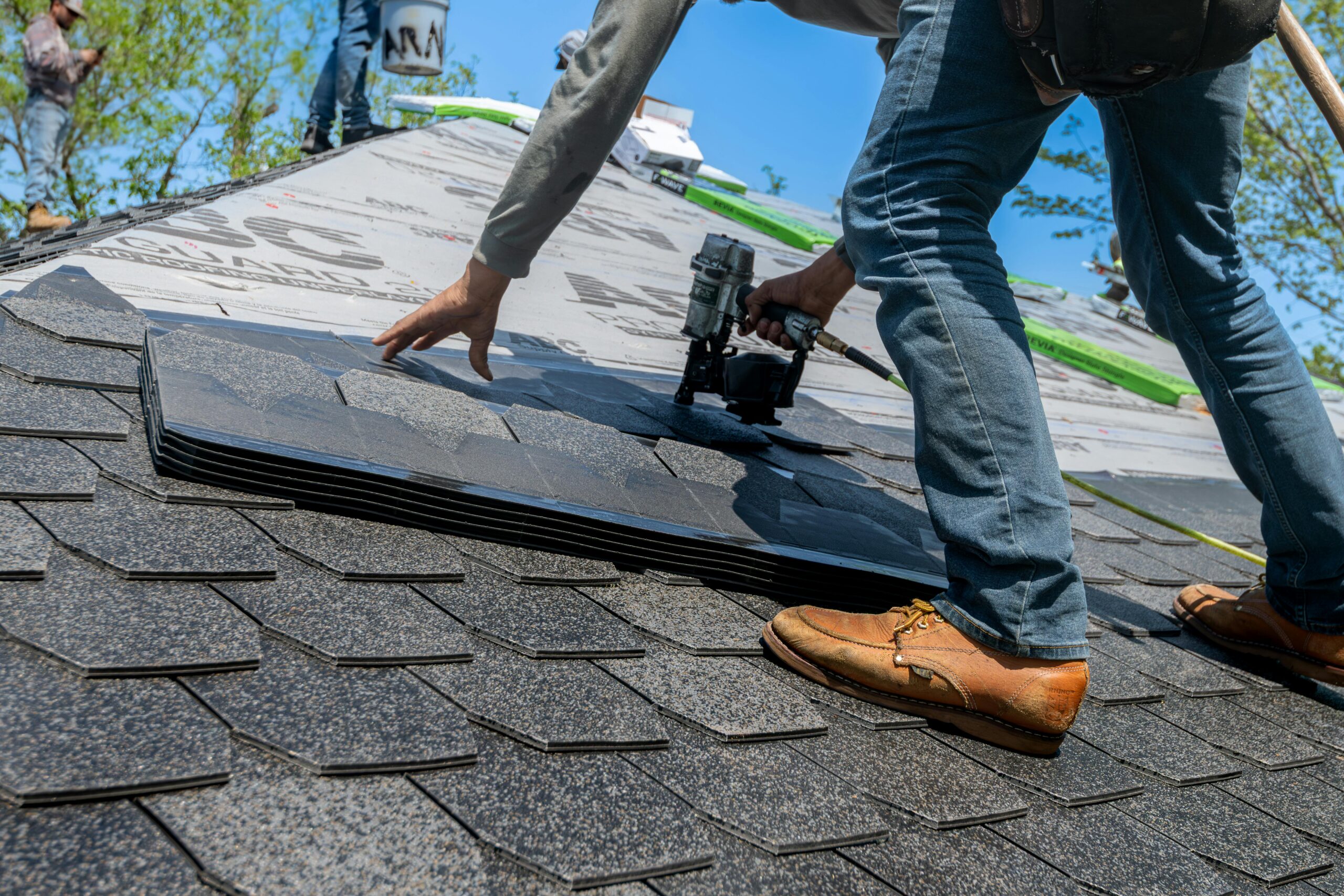
Improper nailing represents the most common installation mistake. Shingles need nails placed in specific locations, driven straight, and set flush with the shingle surface. Nails placed too high or too low miss the shingle’s nailing strip, reducing wind resistance. Overdriven nails that break through the shingle or underdriven nails that don’t seat properly both cause failures.
Insufficient or excessive nailing both create problems. Most shingles require four to six nails per shingle depending on roof pitch and wind exposure. Using fewer nails to save time reduces wind resistance dramatically. Using too many nails creates unnecessary penetrations and potential leak points.
Wrong nail type like smooth shank nails instead of ring shank, or nails too short to penetrate decking adequately, means shingles pull loose during wind events. Proper roofing nails have specific characteristics for good reason, and substituting inappropriate fasteners causes failures.
Improper overlap and alignment where shingles don’t maintain correct exposure or don’t align with lower courses creates weak spots. The three-tab or architectural shingle pattern needs proper registration so joints between shingles don’t align vertically on adjacent courses, which would create water infiltration paths.
Inadequate starter strip installation or complete absence of starter strips at roof edges allows wind to get underneath shingles and lift them. The edge course needs special attention because it’s most vulnerable to wind damage.
Weather-Related Damage Patterns
Weather causes immediate visible damage but also creates cumulative wear that leads to eventual failure even after the weather event has passed.
Wind damage typically shows as lifted, creased, or missing shingles. High winds exploit any weakness in installation or aging adhesive, gradually working shingles loose. Once edges lift, subsequent wind events worsen the damage progressively.
Hail impact creates bruises or cracks in shingles that might not be immediately obvious. Small hail might only remove granules without breaking shingles, but the exposed asphalt deteriorates rapidly afterward. Large hail creates obvious breaks or punctures requiring immediate attention.
Ice dam formation along roof edges during winter causes water backup under shingles. When water freezes and thaws repeatedly in these locations, it works shingles loose and can damage the deck underneath. Properties experiencing winter storms regularly see this pattern.
Thermal shock from rapid temperature changes makes brittle shingles crack. This particularly affects older roofs where years of UV exposure have already reduced flexibility. Sudden cold snaps after warm days stress aged shingles beyond their remaining flexibility.
The Aging Process and UV Degradation
Even properly installed quality shingles have finite lifespans, and understanding the aging process helps you recognize when repairs transition from addressing isolated damage to managing systemic failure.
Asphalt oxidation from continuous UV exposure makes shingles progressively more brittle over time. The petroleum-based asphalt chemically changes when exposed to sunlight, becoming hard and inflexible. This natural aging process affects all asphalt shingles but progresses faster in climates with intense sun exposure.
Granule loss accelerates as shingles age. The colored mineral granules protect underlying asphalt from UV damage. Once granules wear away, degradation speeds up dramatically. Checking gutters and downspouts for granule accumulation reveals how quickly this process is advancing.
Curling and cupping at shingle edges indicates advanced aging. Shingles that initially laid flat begin curling upward at edges or corners, or cupping where centers sink and edges rise. Both patterns signal that shingles have lost flexibility and adhesion.
Cracking and splitting from loss of flexibility means aged shingles can no longer handle normal thermal movement. Cracks typically start small but expand with each temperature cycle until shingles break completely.
Poor Ventilation Consequences
Inadequate attic ventilation creates conditions that dramatically accelerate shingle deterioration from underneath, causing premature failure that looks like aging but happens much faster.
Excessive heat buildup in poorly ventilated attics bakes shingles from below, adding to the UV exposure from above. This double heat source cooks the asphalt, making it brittle far faster than normal aging would. Summer attic temperatures can exceed 150 degrees in poorly ventilated spaces.
Moisture accumulation without proper ventilation allows condensation to form on the underside of roof decking. This moisture promotes rot in the deck and works its way up to shingle underlayment, compromising the entire system. Understanding insufficient ventilation impacts helps prevent these problems.
Ice dam formation increases when warm attic air melts snow from underneath while eaves remain frozen. Proper ventilation keeps attic temperatures closer to outside temperatures, reducing this differential that creates ice dams.
Shortened shingle lifespan from ventilation problems can cut expected roof life in half. A 25-year shingle might fail in 12 to 15 years when ventilation is inadequate, and this failure often shows up as premature aging across the entire roof rather than isolated damage.
Tree Damage and Debris Accumulation
Overhanging branches and organic debris create specific damage patterns and accelerate deterioration in predictable ways.
Physical abrasion from branches rubbing against shingles during wind removes granules and eventually wears through the shingle itself. Even small branches cause cumulative damage over months and years of contact.
Falling branches from storms obviously damage shingles through impact, creating punctures or cracks that require immediate attention. But smaller twigs and debris also accumulate in valleys and against chimneys, holding moisture against shingles.
Moss and algae growth in shaded areas holds moisture against shingles, accelerating deterioration. Moss roots can work under shingle edges and lift them. While primarily cosmetic initially, biological growth eventually causes real damage if left unchecked.
Leaf accumulation in valleys blocks water drainage, causing prolonged water exposure and potential leaks. Organic material breaking down creates acidic conditions that attack shingle materials faster than normal weathering.
What Happens After Shingles Fail
Understanding the progression from initial shingle damage to major problems helps property owners recognize the urgency of timely repairs.
Water infiltration begins immediately once shingle protection is compromised. Even small areas of damage allow water to reach underlayment. If underlayment is also compromised, water reaches the deck and eventually your home’s interior.
Deck deterioration from moisture exposure happens gradually but accelerates once it starts. Plywood or OSB decking swells, delaminates, and eventually rots when exposed to repeated wetting and drying cycles. What started as a shingle problem becomes a structural issue.
Insulation damage from water infiltration reduces R-value dramatically when wet and may never fully recover even after drying. Wet insulation also promotes mold growth and creates conditions for further rot.
Interior damage to ceilings, walls, and belongings represents the final stage of neglected shingle failure. By the time you see interior water stains, significant hidden damage has already occurred.
Exponential cost increase over time means small problems that could be fixed affordably become major expenses quickly. A few hundred dollars worth of shingle replacement becomes thousands when deck replacement, interior repairs, and mold remediation get added.
Knowing When Repair Makes Sense
Not every damaged shingle requires immediate repair, but understanding when to act versus when to plan replacement helps you make smart decisions.
Age considerations matter significantly. If your roof is under 10 years old and damage is isolated, repairs almost always make sense. Between 10 and 15 years, evaluate the extent and pattern of damage. Over 15 to 20 years with widespread issues, replacement usually offers better long-term value.
Extent of damage determines repair feasibility. A few damaged shingles from storm damage are straightforward repairs. Damage affecting more than 30 percent of the roof area suggests systemic problems better addressed through replacement.
Pattern recognition reveals whether you’re dealing with isolated incidents or progressive failure. Random damage from falling branches differs fundamentally from widespread cracking, curling, or granule loss indicating aging or defective materials.
Matching shingle availability affects whether repairs blend in or stand out visibly. Older roofs may not have matching shingles available, making repairs obvious. This cosmetic issue doesn’t affect function but bothers some homeowners.
Following thoughtful approaches to repair or replace decisions protects your investment.
The Repair Process Done Right
Quality repairs address not just visible damage but underlying causes, preventing recurring problems.
Proper shingle matching involves more than just color. Shingles from different manufacturers, product lines, or even production dates vary in thickness, texture, and actual color despite similar names. Quality contractors maintain stock of common shingles or source exact matches when possible.
Correct installation technique during repairs matters as much as original installation. Each shingle needs proper nailing, correct alignment, adequate sealant where required, and integration with surrounding shingles. Rushed repairs often fail quickly.
Addressing underlying causes separates temporary fixes from lasting solutions. If poor ventilation caused premature aging, simply replacing damaged shingles without fixing ventilation means new shingles will fail prematurely too.
Warranty considerations affect repair decisions. Some manufacturers void warranties if repairs aren’t performed by certified installers. Understanding your warranty terms before proceeding protects your rights.
Professional contractors like Roofing Formula LLC understand these nuances and execute repairs that last rather than just temporarily hiding problems.
Preventive Measures That Extend Shingle Life
Taking action before failures occur dramatically extends roof lifespan and reduces total cost of ownership.
Regular inspections twice yearly catch minor problems before they become major failures. Spring and fall inspections align with seasons when damage commonly occurs and allow addressing issues before weather extremes.
Prompt attention to minor damage prevents progressive deterioration. That one cracked shingle noticed during inspection costs little to replace now but causes significantly more damage if ignored for months.
Proper attic ventilation installation or improvement addresses one of the primary causes of premature shingle failure. Adequate intake and exhaust ventilation keeps temperatures and moisture levels appropriate.
Tree maintenance including trimming branches away from the roof and keeping debris cleared prevents physical damage and biological growth. This simple maintenance extends shingle life noticeably.
Following comprehensive maintenance schedules protects your investment systematically rather than reactively.
Warning Signs Demanding Immediate Attention
Certain failure patterns indicate urgent problems requiring immediate professional assessment rather than waiting for scheduled maintenance.
Missing shingles after storms expose underlayment to weather and need immediate temporary protection followed by proper repair. Even a few missing shingles create vulnerability disproportionate to their number.
Visible daylight through the roof when viewed from the attic indicates holes or gaps requiring immediate attention. Water follows the same paths light does, so visible light means active or imminent leaks.
Interior water stains mean damage has already progressed beyond the roof surface to affect the building structure and interior. These situations require immediate assessment to determine extent and prevent further damage.
Sagging roof sections indicate serious structural problems potentially related to long-term water damage from failed shingles. This situation requires immediate professional evaluation for safety reasons.
Conclusion
Understanding the common causes of shingle failure transforms how property owners approach asphalt roof repair decisions and maintenance planning.
Whether dealing with installation errors, manufacturing defects, weather damage, aging, ventilation problems, or tree-related issues, recognizing these patterns helps you determine appropriate responses and timing.
The progression from failed shingles to serious structural damage happens predictably, making early intervention far more cost-effective than delayed response. Quality repairs address both visible damage and underlying causes, while preventive maintenance catches problems before they become failures.
Your roof represents too significant an investment to approach reactively, and understanding what causes shingles to fail empowers you to protect that investment through timely, appropriate asphalt roof repair when needed.
Frequently Asked Questions (FAQs)
1. How Can I Tell if Shingle Damage Is From Poor Installation or Normal Aging?
Poor installation typically shows problems within five to ten years while normal aging takes 15 to 20 years or more to cause visible issues. Installation problems often appear as wind-lifted shingles concentrated in specific areas, especially roof edges and ridges where improper nailing is most impactful.
You might see nail pops or shingles that never sealed properly to those below them. Normal aging shows as gradual granule loss across the entire roof, progressive curling or cupping starting at southern exposures, and uniform brittleness rather than isolated failures. If your roof is relatively young but showing significant damage, installation quality is the likely culprit.
2. Should I Repair a Few Damaged Shingles or Replace the Whole Roof?
Repair makes sense when damage is isolated, your roof is under 15 years old, and the rest of the roof shows good condition without widespread aging signs.
Replace when damage affects more than 25 to 30 percent of the roof area, your roof approaches or exceeds its expected lifespan, you see widespread curling or granule loss across the entire roof, or you’re experiencing multiple leaks in different locations.
The decision point often comes around year 15 to 18 for typical 20 to 25 year shingles. Repairs at this age are temporary solutions, while replacement provides another 20 to 25 years of protection. Consider total cost over time rather than just immediate expense.
3. Can Damaged Shingles Be Repaired or Must They Be Replaced?
Individual shingles cannot be repaired and must be replaced when damaged. Unlike some roofing materials that can be patched, asphalt shingles are complete units. Once a shingle cracks, tears, or loses significant granules, it needs removal and replacement with a new shingle.
The repair process involves carefully removing damaged shingles without harming surrounding ones, then installing new shingles that integrate properly with existing ones. Quality repairs require matching shingles as closely as possible and using proper installation techniques so repairs blend in and last as long as surrounding undamaged shingles.
4. How Long Do Asphalt Shingle Repairs Typically Last?
Properly executed repairs using quality matching shingles and correct installation techniques should last as long as the surrounding original shingles, potentially 10 to 20 years or more depending on the roof’s age. However, repair longevity depends heavily on addressing underlying causes.
If poor ventilation caused premature aging, repairs fail quickly unless ventilation is fixed. If storm damage affected an otherwise healthy roof, repairs can last decades. The key is matching repair quality to original installation standards and ensuring new shingles integrate properly with surrounding ones.
Cheap quick fixes using mismatched materials or improper techniques might only last one to three years before failing.
5. What Causes Shingles to Curl and Can This Be Fixed?
Shingle curling results from multiple factors including inadequate attic ventilation causing excessive heat, moisture infiltration from below, poor quality or defective shingles, improper installation without adequate fastening, and normal aging causing asphalt to become brittle and lose flexibility.
Once shingles curl significantly, they cannot be flattened or repaired and must be replaced. Minor curling caught early might be addressed by improving ventilation and monitoring for progression, but advanced curling indicates the shingles have reached failure stage.
Curling typically starts at shingle edges and corners, progressing across the entire shingle over time. When curling becomes widespread across your roof, this signals that replacement should be planned within the near term.