Understanding what goes into roofing estimates helps you evaluate bids intelligently rather than simply choosing the lowest number without knowing what you’re actually getting. When contractors visit your property with clipboards and measuring tools, they’re gathering dozens of data points that feed into complex calculations determining your final price.
The difference between a thorough estimate and a quick guess often means thousands of dollars and whether your project proceeds smoothly or encounters constant surprises and change orders.
Breaking down the components that professional contractors measure, calculate, and price reveals why detailed estimates cost more upfront but deliver better value than bare-bones quotes.
The Roof Measurement Process
Accurate measurements form the foundation of reliable estimates, and contractors use various methods depending on project complexity and technology available.
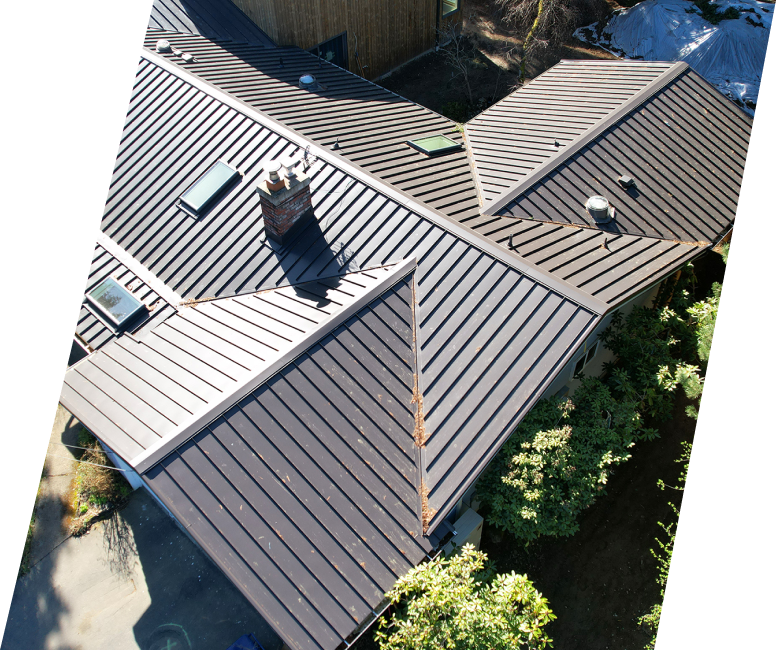
Square footage calculation starts with measuring each roof plane individually. Contractors measure length and width of rectangles, calculate areas of triangular sections, and account for dormers, valleys, and other features creating additional surface area. A simple gable roof has two main planes, while complex roofs might have dozens of intersecting sections.
Pitch determination affects material quantities and labor costs significantly. Steeper roofs require more materials because the actual surface area exceeds the horizontal footprint. A 4:12 pitch roof has less surface than an 8:12 pitch covering the same building, and steep roofs also demand specialized safety equipment and take longer to work on safely.
Ridge and hip measurements track linear footage of these high points where special materials and techniques apply. Ridge caps, hip shingles, and ventilation components get priced per linear foot, making accurate measurement critical.
Valley lengths need precise tracking because valleys require additional underlayment, special installation techniques, and often ice and water shield protection. These areas concentrate water flow and need extra attention affecting both material and labor costs.
Eave and rake measurements determine drip edge requirements, starter strip quantities, and edge finishing materials. Accurate perimeter measurements ensure proper material ordering without shortages or excessive waste.
Technology Versus Traditional Measuring
Modern contractors blend traditional hands-on measuring with technology tools, each approach offering distinct advantages.
Aerial measurement services using satellite imagery and software calculate roof dimensions without anyone climbing ladders. These services provide remarkably accurate measurements for most roof shapes and have become standard for initial estimates. However, they can’t assess roof condition, identify hidden problems, or evaluate complexity factors visible only up close.
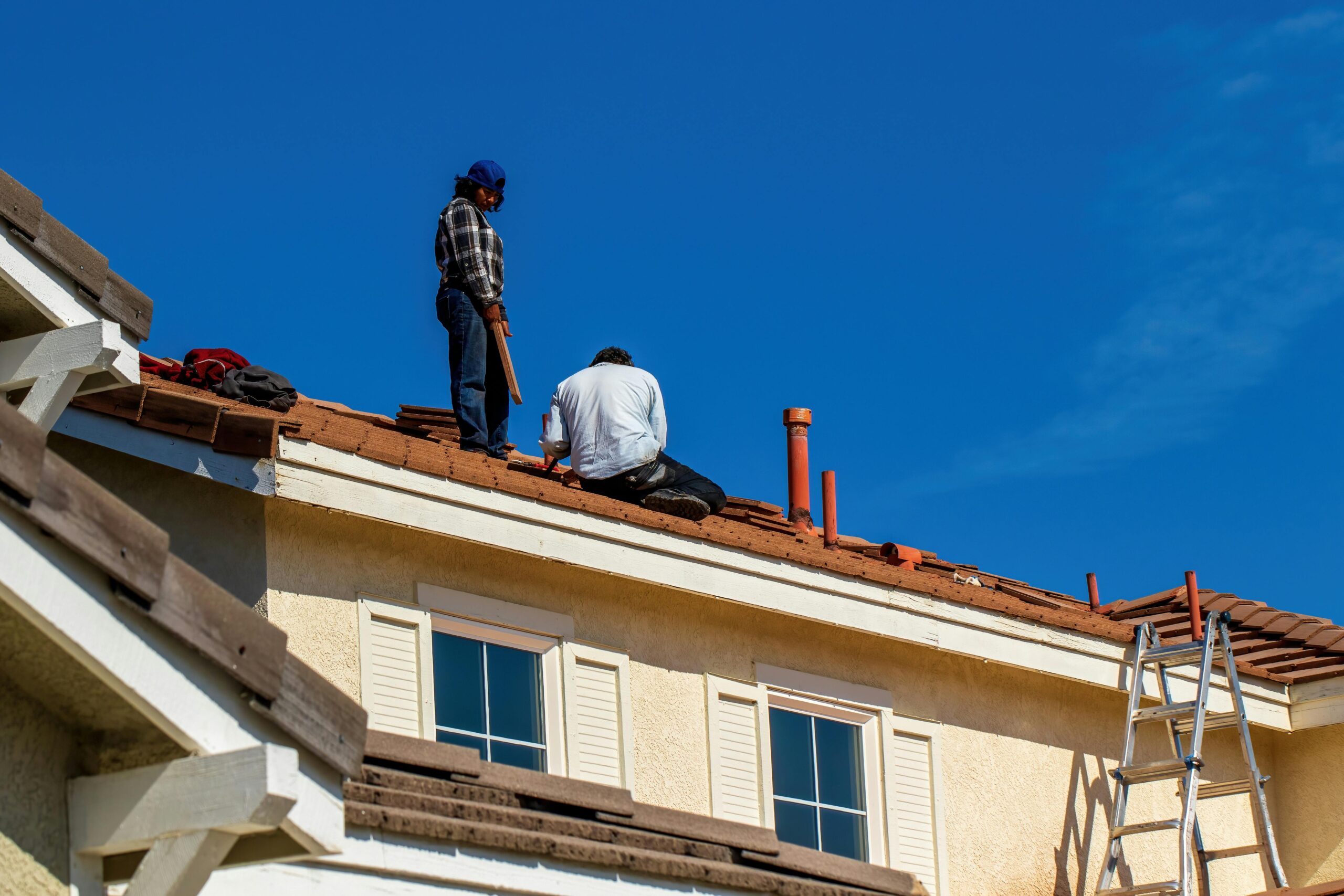
Physical inspection and measurement remains essential for detailed estimates. Walking the roof reveals issues invisible from the ground or aerial photos, including damaged shingles, poor previous repairs, inadequate ventilation, and structural concerns. This hands-on assessment catches problems that would otherwise become expensive surprises mid-project.
Hybrid approaches combining both methods deliver optimal results. Aerial measurements provide base square footage quickly and accurately, while physical inspections verify measurements and identify conditions affecting pricing. This combination produces detailed estimates faster than traditional measuring alone.
Drone technology increasingly supplements physical inspection, allowing contractors to safely assess steep or high roofs while capturing detailed photos and video. Drones provide visual documentation without safety risks of walking every roof section.
Material Calculations Beyond Shingles
Estimating material needs involves far more than just calculating shingle bundles based on square footage.
Shingle quantities include waste factors accounting for cutting, starter courses, ridge caps, and complexity. Simple gable roofs might need 10 percent extra, while complex roofs with multiple valleys, dormers, and angles require 15 to 20 percent additional material. Experienced estimators adjust waste factors based on actual roof complexity rather than applying generic percentages.
Underlayment coverage requires calculating entire roof area, then adding extra for required overlaps and specific coverage requirements. Some areas mandate synthetic underlayment, while others allow felt paper. Ice and water shield for valleys, eaves, and penetrations gets calculated separately based on linear footage and local code requirements.
Flashing materials for chimneys, vents, skylights, and walls need individual calculation based on specific dimensions and requirements. Each penetration demands custom flashing work with materials purchased by linear foot or piece.
Ventilation components including ridge vents, soffit vents, or other ventilation systems get calculated based on attic square footage and required ventilation ratios. Understanding insufficient ventilation impacts helps contractors recommend appropriate systems.
Fasteners, sealants, and miscellaneous supplies might seem minor but add up significantly. Quality estimates include proper quantities of roofing nails, caulk, drip edge, pipe boots, and other components rather than hoping leftovers from previous jobs suffice.
Labor Cost Calculations
Labor represents half or more of total project cost, and calculating it accurately requires considering multiple complexity factors beyond simple square footage.
Base installation rates start with standard per-square pricing for straightforward roofs. Contractors know their crew productivity on simple gable roofs and calculate baseline labor from there. This foundation pricing applies to uncomplicated roofs with minimal obstacles.
Complexity adjustments account for features that slow installation. Each valley, dormer, skylight, or roof plane change adds time. Steep pitches require extra safety measures and slower work. Hips and ridges demand careful detail work. Multiple stories increase setup and material handling time.
Tear-off labor depends on how many layers need removal and what existing material is. One layer of asphalt shingles removes faster than three layers. Old cedar shakes take longer than asphalt. Proper estimates account for specific existing conditions rather than assuming simple removal.
Accessibility factors affect labor significantly. Easy access with nearby driveway parking differs dramatically from homes with narrow streets, no parking, or long carries from truck to roof. Steep driveways, extensive landscaping requiring protection, or multiple story heights all increase labor requirements.
Specialty work including custom flashing, complex valley treatments, or unusual architectural features demands extra time from skilled workers. Detailed estimates break out these specialty labor components separately.
Hidden Costs Often Overlooked
Detailed estimates include expenses that basic quotes ignore, and these hidden costs cause budget problems when contractors discover them mid-project.
Structural repairs from rotted decking discovered during tear-off can add thousands to projects. Quality contractors inspect decks before committing to fixed prices, but some damage only appears after removal. Good estimates either include deck inspection findings or clearly note potential additional costs for repairs.
Permit fees and inspection costs vary by location but always apply. Professional contractors include these mandatory expenses in estimates rather than treating them as surprises. Permit costs might be a few hundred dollars or exceed a thousand depending on jurisdiction and project scope.
Disposal fees for removing old roofing materials represent significant expense. Dumpster rental, hauling fees, and landfill charges add hundreds to thousands depending on roof size and material type. Detailed estimates specify disposal costs separately.
Code compliance upgrades sometimes become necessary when bringing roofs up to current standards. Ventilation improvements, deck attachment requirements, or other code-mandated changes cost money. Transparent estimates address foreseeable code issues upfront.
Warranty registration and certification costs for premium warranty coverage add to project totals. Some manufacturers charge contractors for enhanced warranty registration, costs that responsible contractors include in estimates rather than absorbing.
How Contractors Price Risk and Complexity
Beyond direct material and labor costs, estimates include factors compensating contractors for project-specific risks and challenges.
Weather contingencies account for seasonal timing and weather unpredictability. Projects scheduled during rainy seasons include provisions for weather delays and temporary protection. Some contractors adjust pricing based on timing, with better rates during slower seasons.
Access challenges including difficult neighborhoods, tight job sites, or logistical complications increase costs. Moving materials and equipment long distances, working around obstacles, or dealing with restrictive site conditions all affect pricing.
Homeowner coordination requirements vary by project. Occupied homes needing extensive tenant coordination, HOA approval processes, or complex scheduling around homeowner needs take more administrative time than straightforward projects.
Insurance and liability coverage costs more for complex projects or those in difficult locations. Steep roofs, multiple stories, or proximity to power lines increase insurance expenses that responsible contractors include in pricing.
Comparing Estimates Effectively
Understanding estimate components helps you compare bids meaningfully rather than just looking at bottom-line numbers.
Apples to apples comparison requires verifying that estimates include identical scopes. One bid might include complete tear-off and disposal while another assumes you’ll handle removal. Comparing total prices without matching scopes misleads you about actual value.
Material specifications matter enormously. An estimate using premium architectural shingles with 50-year warranties costs more than one using basic three-tab shingles. Verify that competing bids specify comparable materials before comparing prices.
Warranty coverage differences affect long-term value significantly. Some contractors offer extended workmanship warranties while others provide minimal coverage. Enhanced manufacturer warranties through certified installers add value justifying higher prices. Understanding choosing contractors helps evaluate total package value.
Payment schedule transparency shows contractor confidence and financial stability. Detailed payment schedules tied to work completion protect you better than large upfront deposits. Compare not just total prices but how payments are structured.
Timeline commitments matter for planning. Estimates should specify expected start dates and completion timeframes. Contractors who can’t commit to schedules might be overbooked or disorganized.
Red Flags in Estimates
Certain estimate characteristics signal potential problems worth recognizing before signing contracts.
Extremely low bids compared to others often indicate missing components, inferior materials, or unrealistic labor calculations. When one estimate is 30 to 40 percent below others, something is wrong. Either they’ve made errors or plan to cut corners.
Vague descriptions without material specifications leave room for substituting inferior products. Estimates should name specific shingle brands and models, underlayment types, and other materials rather than generic descriptions.
Missing line items for standard components like underlayment, drip edge, or ventilation suggest incomplete estimates that will grow through change orders. Complete estimates itemize all major components.
Pressure tactics including limited-time discounts or claims of immediate problems requiring urgent action indicate contractors more interested in sales than service. Quality contractors provide estimates and respect your need to compare options.
Unwillingness to provide written detailed estimates or insistence on verbal quotes prevents meaningful comparison and creates disputes when disagreements arise about what was included.
Questions to Ask About Estimates
Asking specific questions reveals estimate quality and contractor expertise before committing to projects.
What exactly does the price include asks contractors to walk through their estimate explaining each component. This conversation reveals whether they’ve thought through details or just guessed at totals.
How do you handle discovered problems addresses what happens when tear-off reveals unexpected damage. Clear policies about notification, pricing, and approval for additional work prevent disputes.
What warranties do you provide separately from material warranties clarifies workmanship coverage. Understanding warranty terms protects you if problems develop years later.
When can you start and finish provides timeline clarity. Vague answers suggest scheduling problems or contractors juggling too many projects simultaneously.
Who will actually do the work reveals whether the company you hire will perform the work or subcontract it out. Knowing who works on your roof matters for quality and accountability.
The Value of Detailed Estimates
Comprehensive estimates cost contractors time to prepare but deliver value that justifies careful evaluation and potentially higher pricing.
Accuracy reduces change orders and surprise costs. Detailed estimates account for foreseeable expenses upfront rather than constantly requesting additional money for forgotten items.
Transparency builds trust by clearly showing where money goes. Itemized estimates let you see material costs, labor charges, and overhead separately rather than hiding everything in one lump sum.
Accountability through documented scope creates clear expectations. Written detailed estimates become contract terms protecting both parties by defining exactly what work is included.
Professional standard adherence shows contractor competency. Companies producing thorough estimates demonstrate attention to detail likely reflected in their installation quality. Roofing Formula LLC exemplifies this professional approach.
Planning capability from detailed estimates helps you budget comprehensively. Knowing exactly what’s included and what might cost extra lets you plan finances appropriately.
The Role of Site Visits
In-person property assessment remains essential for accurate estimates despite technology advances.
Visual condition assessment reveals problems invisible in photos or measurements. Seeing damaged flashing, inadequate ventilation, or previous poor repairs informs accurate pricing.
Structural evaluation from walking the roof identifies soft spots, sagging, or other concerns affecting project scope. These issues impact both pricing and recommended solutions.
Access planning during site visits lets contractors assess material delivery logistics, equipment placement, and workspace setup. These practical considerations affect both pricing and scheduling.
Customer questions get answered directly during site visits. Face-to-face meetings build relationships and let homeowners discuss concerns, preferences, and budget constraints directly with contractors.
Documentation through photos and notes during visits creates records supporting estimates. Pictures of existing conditions protect both parties if disputes arise about what existed before work began.
Following approaches that include maintenance planning helps extend roof life beyond initial installation.
Understanding Estimate Validity Periods
Estimates don’t remain valid indefinitely, and understanding timeframes prevents confusion about pricing changes.
Material price fluctuations affect estimate validity. Shingle prices change with asphalt costs, and other materials vary with market conditions. Most estimates include validity periods of 30 to 90 days.
Labor availability and rates change seasonally. Estimates during busy season might expire faster than slow season quotes as contractor scheduling and pricing adjust to demand.
Scope changes invalidate original estimates. Any modifications to project scope, materials, or timing require new estimates reflecting changed conditions.
Weather and seasonal factors influence pricing and availability. Estimates for spring work might not apply if you delay until peak summer season when contractors are booked and prices increase.
Conclusion
Understanding what goes into roofing estimates transforms how you evaluate contractor bids and make project decisions. The measuring, calculating, and pricing process involves dozens of components beyond simple square footage, from material waste factors and labor complexity adjustments to hidden costs like permits and disposal.
Detailed estimates demonstrate contractor professionalism and protect you from surprise costs, while vague quotes often hide missing components that become expensive change orders mid-project.
Taking time to understand estimate components, compare bids meaningfully rather than just looking at bottom lines, and ask specific questions about what’s included helps you select contractors offering genuine value rather than just low prices.
Quality roofing estimates represent the foundation of successful projects, setting clear expectations that let both homeowners and contractors proceed confidently toward excellent results.
Frequently Asked Questions (FAQs)
1. Why Do Roofing Estimates Vary So Much Between Contractors?
Roofing estimates vary because contractors calculate differently, use different material grades, include different scope components, carry different overhead and insurance costs, and assess risk differently. One contractor might include complete tear-off and disposal while another assumes you’ll handle removal.
Material specifications vary from basic three-tab shingles to premium architectural products. Some estimates include comprehensive warranty coverage while others provide minimal protection. Labor costs differ based on crew experience, safety equipment investments, and insurance coverage levels.
Extremely low bids often reflect missing components or inferior materials that will create problems later, while high bids might include premium materials and extended warranties justifying increased costs. Comparing itemized estimates rather than just total prices reveals these differences.
2. Should I Always Choose the Lowest Roofing Estimate?
Never automatically choose the lowest estimate without understanding why it’s lower than others. Rock-bottom pricing usually indicates missing scope items, inferior materials, inadequate insurance coverage, or unrealistic labor calculations.
Contractors who severely underbid either made errors they’ll try correcting through change orders, plan to cut corners, or will go out of business mid-project unable to cover their costs.
Compare itemized estimates to verify all bids include identical scopes, specify comparable materials, and provide similar warranty coverage. The best value typically comes from mid-range bids offering quality materials, proper insurance, and reasonable warranties rather than the cheapest option that seems too good to be true.
3. What Should Be Included in a Detailed Roofing Estimate?
Detailed roofing estimates should itemize all major components including complete tear-off and disposal of existing materials, all new materials with specific brand names and models, underlayment type and coverage, ice and water shield for valleys and eaves.
Flashing for all penetrations, ventilation components if needed, drip edge and edge finishing, ridge caps or hip coverage, fasteners and sealants, labor broken down by activity, permit fees and inspections, dumpster rental and disposal costs, warranty terms for both materials and workmanship.
Payment schedule tied to completion milestones, project timeline with start and completion dates, and any exclusions or items not included. This level of detail prevents surprises and lets you compare bids meaningfully.
4. How Long Does It Take to Get a Roofing Estimate?
Most contractors provide estimates within three to seven days of initial contact depending on their schedule and measurement method used. Simple estimates using aerial measurements might come within 24 to 48 hours, while detailed estimates requiring in-person inspection and comprehensive calculations take three to five business days.
Complex roofs with unusual features or extensive damage requiring detailed assessment might need a week. During peak season, contractors may need longer to schedule site visits and prepare estimates.
Be wary of contractors who provide instant estimates without measuring or inspecting your roof, as these quick quotes often miss important details that become expensive surprises later.
5. Can I Negotiate Roofing Estimates to Lower the Price?
You can sometimes negotiate roofing estimates within reason, but understand that quality contractors already price competitively and have limited flexibility. Instead of asking for arbitrary discounts, discuss specific options that reduce costs legitimately. Consider timing your project during slower seasons when contractors offer better rates.
Ask about material alternatives that meet your needs at lower costs without compromising quality. Discuss whether you can handle certain tasks like debris removal to reduce labor costs. Question any scope items that seem unnecessary for your situation.
However, avoid pushing contractors below their costs, as this forces them to cut corners, use inferior materials, or provide inadequate insurance coverage that ultimately costs you more through poor results or liability exposure.