Finding the best roofing companies in your area feels overwhelming when every contractor claims to be the top choice, offers the lowest prices, or promises the fastest work.
The truth is that truly exceptional roofing companies share specific characteristics that separate them from the crowd, and recognizing these traits protects you from costly mistakes and substandard work.
Whether you need a simple repair or complete roof replacement, understanding what makes contractors genuinely excellent versus just good at marketing helps you make confident decisions that protect your home and investment for decades.
The Licensing and Insurance Foundation
Great roofing companies build their reputation on proper credentials that protect both themselves and their customers.
Valid licensing demonstrates that contractors meet minimum requirements set by state and local authorities. Washington State requires specific contractor licenses for roofing work, and these aren’t just bureaucratic formalities.
Licensed contractors have passed exams proving basic competency, maintain bonds protecting customers, and face accountability through regulatory oversight. Companies operating without proper licenses save money on requirements but leave customers vulnerable when problems arise.
Comprehensive insurance coverage separates professionals from amateurs in critical ways. General liability insurance protects your property if contractors damage something during work. Workers compensation insurance protects you from liability if someone gets injured on your property.
Companies cutting corners on insurance might offer lower bids, but one accident could cost you everything. Request current certificates of insurance directly from the insurance company, not just copies from contractors.
Bonding requirements ensure financial protection for customers. Contractor bonds guarantee that if a company fails to complete work or doesn’t pay subcontractors and suppliers, you have recourse through the bond. This financial safety net exists only with properly bonded contractors.
Current and verifiable credentials matter more than expired or claimed qualifications. Actually verifying licenses through state contractor boards takes minutes online and reveals whether companies maintain good standing or have complaint histories. Don’t skip this simple but crucial step.
Manufacturer Certifications That Actually Matter
Top roofing companies invest in manufacturer certifications that require training, proven track records, and ongoing education.
Certified installers gain access to better warranties, premium materials, and technical support unavailable to uncertified contractors. Manufacturers like GAF, CertainTeed, Owens Corning, and others maintain strict certification programs. These aren’t just marketing designations but represent genuine training and quality standards that contractors must meet and maintain.
Extended warranty coverage through certified installers provides significantly better protection than standard warranties. Manufacturer warranties often cover only material defects, leaving labor costs to homeowners.
Certified contractors can offer system warranties covering both materials and installation labor for much longer periods. This protection is valuable and worth paying for.
Training requirements for certification mean contractors understand proper installation techniques specific to each product line. Different shingles, membranes, and systems have unique requirements. Certified contractors receive hands-on training ensuring they know these specifications rather than guessing or applying generic approaches.
Quality control standards that certified contractors must maintain include proper inspection protocols, following manufacturer specifications exactly, and using approved materials and methods. These standards exist because improper installation is the leading cause of premature roof failure, not defective materials.
Services That Define Quality Companies
The best roofing companies offer comprehensive services backed by expertise and proven results. Here are examples of what quality contractors should provide.
Professional Roof Replacement Services
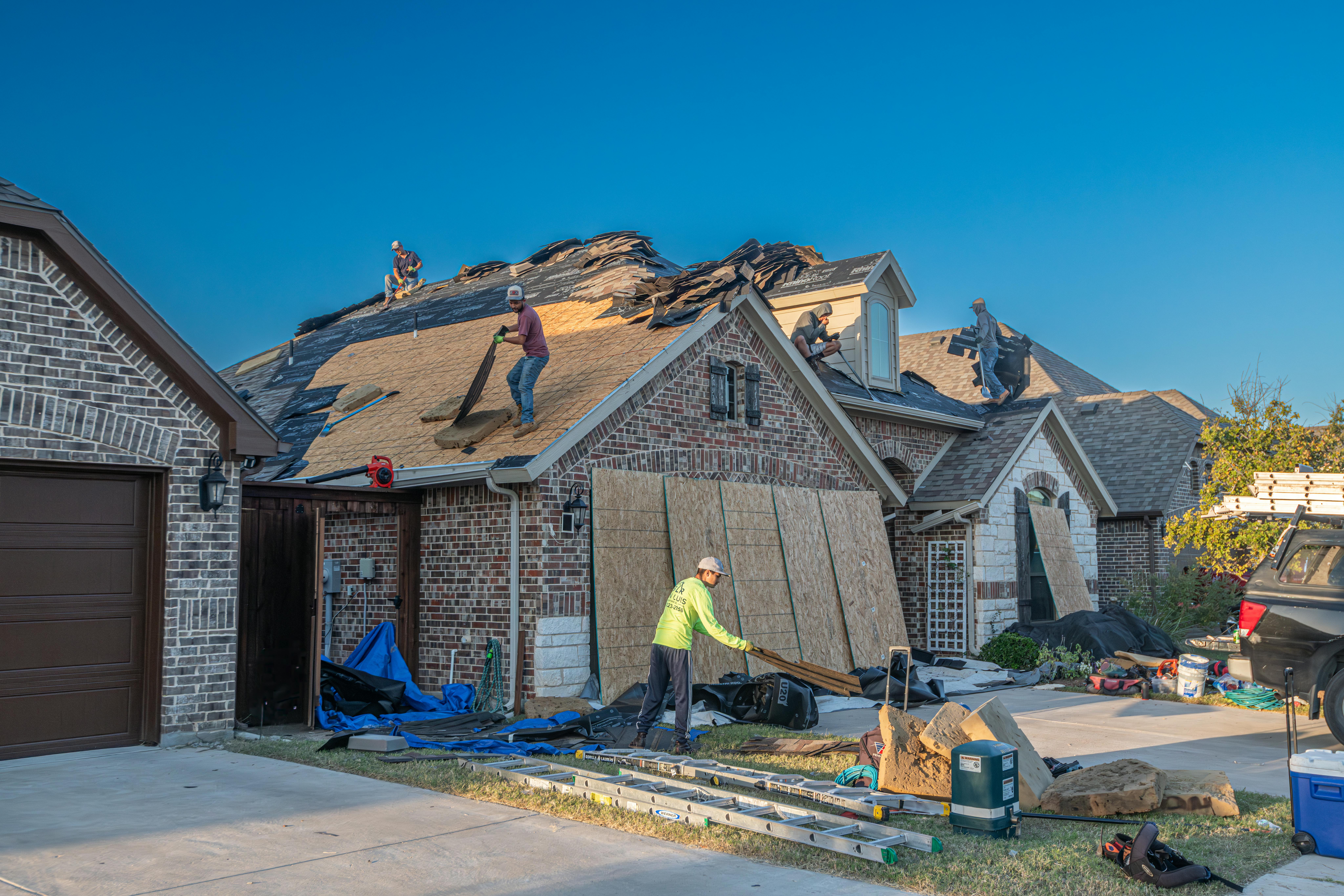
Quality roof replacement represents a major investment requiring expert execution. Top contractors deliver complete solutions from initial inspection through final cleanup.
Why This Service Matters:
- Complete system replacement ensures all components work together properly, including underlayment, ventilation, and flashing rather than just surface materials.
- Expert material selection based on your specific climate, home architecture, and budget maximizes roof lifespan and performance.
- Warranty protection through proper installation maintains manufacturer coverage and provides workmanship guarantees that protect your investment for decades.
Specialized Metal Roofing Solutions
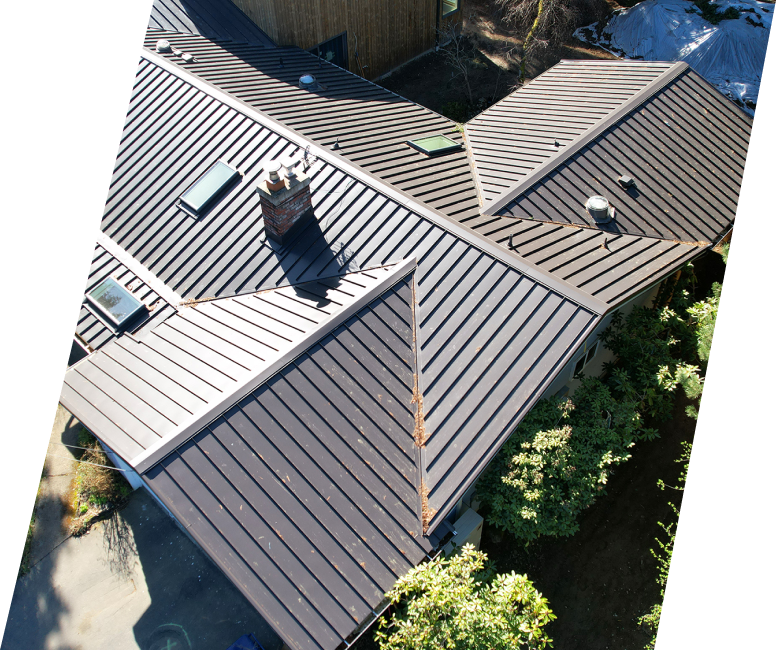
Premium metal roofing repair and installation requires specific expertise that separates quality contractors from general roofers attempting unfamiliar work.
Why This Service Matters:
- Technical expertise in metal systems ensures proper handling of expansion and contraction, specialized fastening techniques, and correct seam work that prevents leaks.
- Long-term durability when installed correctly means metal roofs lasting 40 to 70 years compared to 15 to 25 years for asphalt shingles.
- Energy efficiency benefits from reflective metal surfaces reduce cooling costs significantly, especially important for commercial buildings and modern residential designs.
Comprehensive Gutter Systems
Professional gutter installation completes your roof’s water management system, protecting foundations and preventing costly damage.
Why This Service Matters:
- Proper water management directs thousands of gallons away from foundations, preventing basement flooding, soil erosion, and structural damage that costs far more than gutters.
- Custom fabrication with seamless gutters eliminates leak-prone seams and provides clean aesthetics matched to your home’s specific dimensions and style.
- Professional installation with correct pitch, secure mounting, and adequate downspout placement ensures systems actually function rather than creating new problems.
The Communication and Transparency Difference
Exceptional companies communicate clearly, honestly, and proactively throughout the entire process.
Detailed written estimates show exactly what work includes, which materials will be used with specific brand names and product lines, labor costs broken down, timeline expectations, and payment schedules.
Vague estimates with total prices but no details hide where your money goes and make comparing bids impossible. Quality companies provide transparency because they’re proud of their work and have nothing to hide.
Response times to questions and concerns reveal how companies value customers. Top contractors respond to calls and emails within one business day, even during busy seasons.
They assign project managers or customer service contacts so you’re never wondering who to reach. Poor communicators during the sales process only get worse once they have your money.
Explanation of options without pressure sales tactics characterizes professional companies. They present different material choices with honest pros and cons, explain why they recommend specific approaches, and respect your need to think things over.
High-pressure tactics like limited-time discounts or claims that roofs will fail immediately indicate companies more interested in closing sales than providing quality service.
Progress updates during projects keep customers informed about timelines, any discovered issues, and schedule changes. You shouldn’t have to chase contractors to find out what’s happening with your roof. Great companies proactively communicate throughout the project.
Workmanship Standards and Quality Control
The best companies maintain rigorous standards ensuring every job meets high-quality benchmarks.
Written quality standards documented in contracts specify exactly what quality work means for your project. This includes proper nailing patterns, underlayment requirements, ventilation specifications, and flashing details. These technical requirements separate excellent installations from adequate ones.
Inspection protocols at multiple project stages catch problems before they’re hidden. Quality companies inspect work after tear-off before new materials go on, after underlayment installation, during material installation, and upon completion. Multiple checkpoints ensure each phase meets standards before proceeding.
Photo documentation of critical stages protects both contractors and customers. Photos showing roof deck condition, proper underlayment installation, flashing details, and completed work create records proving quality installation. This documentation becomes valuable if warranty claims arise years later.
Cleanup standards reflect company professionalism and respect for properties. Excellent contractors use tarps protecting landscaping, deploy magnetic tools collecting dropped nails, remove all debris including smaller pieces, and leave properties cleaner than they found them. Companies cutting corners on cleanup likely cut corners elsewhere too.
The Warranty and Service Commitment
Great companies stand behind their work with comprehensive warranties and responsive service.
Workmanship warranties covering installation labor for substantial periods demonstrate contractor confidence in their work quality. Five to ten year workmanship warranties are common among top contractors, while companies offering only one or two year coverage signal less confidence. Read warranty terms carefully to understand what’s actually covered.
Material warranties through certified installation provide longer coverage than standard manufacturer warranties. Premium material warranties often require certified installation and include coverage for both defects and installation issues. These comprehensive warranties are worth the investment.
Service commitments after installation separate companies focused on long-term relationships from those chasing the next sale. Will they respond if you have questions or concerns months or years later? Do they offer maintenance programs? Will they perform warranty work promptly? These service elements matter as much as initial installation quality.
Written warranty terms eliminate confusion about coverage. Verbal promises mean nothing if problems develop. Everything should be documented in writing with clear terms explaining what’s covered, for how long, and what actions might void coverage.
Local Reputation and Track Record
Established companies with strong local reputations have more to lose from poor work than new or transient contractors.
Years in business under the same name indicates stability and customer satisfaction. While new companies can certainly do quality work, established companies with decades of history have proven their ability to satisfy customers and remain solvent. Be cautious of companies constantly changing names or operating under multiple business names.
Verifiable references from recent projects provide insights into actual customer experiences. Ask for references from jobs completed within the last year, not just cherry-picked projects from years ago. Contact these references and ask specific questions about communication, quality, cleanup, and whether they’d hire the company again.
Online reviews across multiple platforms reveal patterns in customer experiences. While every company has occasional negative reviews, look for overall trends and how companies respond to complaints. Professional responses to negative reviews show accountability, while defensive or absent responses raise red flags.
Local presence including physical offices, not just P.O. boxes or residential addresses, demonstrates commitment to the community. Companies maintaining offices, yards, and showrooms invest in their local presence and plan to be around for the long term.
Roofing Formula LLC exemplifies these local commitment characteristics with their established Greater Puget Sound presence and community reputation.
Safety Practices and Professional Protocols
Top companies prioritize safety for workers, properties, and occupants.
OSHA compliance in safety practices protects workers and demonstrates professionalism. Proper fall protection equipment, regular safety training, and adherence to safety regulations cost money but prevent accidents and indicate companies value their workers. Safety violations often correlate with quality shortcuts elsewhere.
Daily safety meetings before work starts ensure every crew member understands the day’s tasks and safety requirements. This practice is standard among professional companies but often skipped by less organized contractors.
Property protection measures during work include using tarps, setting up debris chutes, protecting landscaping and outdoor furniture, and establishing safe zones around work areas. These precautions show respect for properties and prevent damage.
Clean job sites maintained throughout projects indicate organizational standards that extend beyond safety. Professional companies keep materials organized, tools secure, and work areas tidy. Chaotic job sites typically reflect chaotic work quality.
Red Flags That Identify Poor Companies
Knowing what to avoid is as important as knowing what to seek in quality contractors.
Pressure tactics including limited-time offers, claims of immediate roof failure, or requirement for same-day decisions indicate companies more interested in sales than service. Quality companies respect your need to make informed decisions without pressure.
Lack of proper documentation including missing estimates, no written contracts, or verbal-only agreements creates problems when disputes arise. Everything should be documented in writing, signed by both parties, and thoroughly explained.
Requests for large upfront payments before work begins often signal cash flow problems or potential scams. Never pay more than small deposits, and structure payment schedules around completed work milestones.
Unwillingness to provide references, insurance certificates, or license verification suggests companies hiding something. Professional contractors readily provide this information because they’re proud of their credentials and track record.
Door-to-door solicitations after storms should be viewed skeptically. While legitimate companies do storm damage work, many scammers follow severe weather. Always verify credentials and check references before hiring storm chasers.
Understanding money-saving techniques helps you evaluate pricing without falling for scams or overpaying.
Technical Knowledge and Problem-Solving Ability
Exceptional companies demonstrate deep technical knowledge and creative problem-solving for unique challenges.
Understanding of local climate and its impact on roofing shows contractors actually know the area they serve. Pacific Northwest weather creates specific challenges requiring adapted materials and methods. Contractors who understand how persistent moisture, temperature fluctuations, and other regional factors affect roofs provide better recommendations.
Ability to diagnose root causes rather than just treating symptoms separates skilled contractors from those applying generic solutions. When common problems appear, great contractors identify why they’re happening and address underlying issues.
Knowledge of proper ventilation, insulation, and building science prevents future problems. Roofs don’t exist in isolation but as part of integrated building systems. Contractors understanding these relationships deliver better long-term results than those focused only on surface materials.
Creative solutions for unique architectural challenges demonstrate experience and competence. Every property has unique features requiring adapted approaches. Companies with diverse experience handle unusual situations better than those applying one-size-fits-all methods.
The Value of Ongoing Maintenance Support
Top companies offer maintenance programs and ongoing support that extend roof life and prevent problems.
Scheduled inspection programs twice yearly catch minor issues before they become expensive problems. Companies offering these maintenance relationships demonstrate commitment to long-term customer satisfaction beyond initial installation.
Priority service for established customers rewards loyalty and ensures prompt attention when issues arise. Being an established customer with a quality company means faster response times and often preferential pricing.
Educational support helping customers understand how to maintain roofs properly prevents problems. Great companies share knowledge rather than keeping customers dependent and uninformed.
Maintenance program discounts and benefits for regular customers provide financial value while ensuring roofs receive proper care throughout their lifespan.
Conclusion
The best roofing companies distinguish themselves through proper credentials, manufacturer certifications, comprehensive service offerings, transparent communication, quality workmanship standards, comprehensive warranties, strong local reputations, safety commitments, technical knowledge, and ongoing support.
These characteristics aren’t expensive extras but fundamental elements of professional service that protect your investment and deliver lasting results. Whether you’re comparing bids for a new roof or seeking repairs, evaluating contractors against these standards helps you identify truly exceptional companies rather than just those with good marketing.
Your roof represents a major investment protecting your entire property, making it worth the effort to find the best roofing companies that will do the job right and stand behind their work for years to come.
Frequently Asked Questions (FAQs)
1. How Do I Verify a Roofing Company’s License and Insurance?
Verify contractor licenses through your state’s contractor licensing board website, which typically allows free online searches by company name or license number. For Washington State, the Department of Labor and Industries maintains a contractor database showing license status, bond information, and complaint history.
For insurance verification, request certificates of insurance showing both general liability and workers compensation coverage, then call the insurance companies directly using phone numbers you look up independently rather than numbers on certificates.
Never accept copies of certificates without verification. This process takes only a few minutes but protects you from thousands in potential liability if unlicensed or uninsured contractors cause damage or injuries.
2. Should I Always Choose the Lowest Bid?
The lowest bid is rarely the best value for roofing work because rock-bottom prices typically reflect corner-cutting somewhere, whether through inferior materials, inadequate labor hours, skipped steps, or lack of proper insurance and licensing.
Quality roofing requires specific materials, proper installation time, experienced crews, and legitimate business overhead including insurance and licensing costs. Extremely low bids often come from contractors using substandard materials, rushing work, operating without proper credentials, or planning to add surprise charges later.
Instead of choosing the lowest price, compare detailed bids from licensed contractors and select the best overall value considering materials quality, warranty coverage, company reputation, and communication quality.
3. What Questions Should I Ask Potential Roofing Contractors?
Ask contractors how long they’ve been in business under their current name, whether they maintain proper licensing and insurance with verification, what manufacturer certifications they hold, what warranty they provide on workmanship separate from material warranties.
How they handle unexpected issues discovered during work, what their payment schedule looks like and whether it’s tied to work completion, who will supervise daily work and serve as your contact, how they protect property during work, what their cleanup process includes, and whether they can provide recent references you can contact.
A useful resource is understanding the homeowner’s guide approach to selecting contractors. Quality contractors answer these questions readily and thoroughly because they’re proud of their credentials and processes.
4. How Important Are Manufacturer Certifications for Roofers?
Manufacturer certifications are very important because they represent genuine training in proper installation techniques, provide access to extended warranty coverage unavailable through uncertified contractors, demonstrate commitment to quality standards and ongoing education, and create accountability through manufacturer oversight of certified installers.
Certified contractors can offer system warranties covering both materials and installation labor for much longer periods than standard warranties. These enhanced warranties protect your investment significantly better than basic coverage.
While certification doesn’t absolutely guarantee quality, it indicates contractors have invested in training and maintain standards required by manufacturers who protect their product reputations through careful certification programs.
5. What Should I Expect During a Professional Roof Inspection?
Professional roof inspections include thorough exterior examination of all roofing material checking for damage, wear, or missing pieces, inspection of flashing around chimneys, vents, skylights, and edges where leaks commonly start, gutter and drainage system assessment ensuring proper water management.
Attic inspection from inside checking for water stains, adequate ventilation, and insulation condition, documentation through photos of problem areas and overall roof condition, detailed written report explaining findings and recommended actions with prioritization of urgent versus future needs, and clear cost estimates for recommended work.
Quality inspectors spend 30 to 60 minutes on thorough inspections rather than quick drive-by assessments. They explain findings in understandable terms and answer questions without pressure tactics. Free inspections from quality companies provide genuine assessments rather than sales pitches disguised as inspections.