Taking immediate storm damage roof repair action after severe weather prevents secondary water damage and begins insurance claim processes while memories are fresh and damage documentation is straightforward. Many homeowners remain uncertain about appropriate responses to roof damage from storms, leading to delays that allow problems to expand.
Systematic storm damage roof repair response prioritizes personal safety, damage documentation, water damage prevention, and professional contractor notification.
Understanding which storm damage roof repair steps take priority allows efficient response during stressful situations. Quick action combined with professional help limits total damage and protects your property value.
Ensure Safety First
Your initial storm damage roof repair responsibility involves ensuring personal safety before considering property protection. If your home sustained major damage, electricity may be dangerous, gas lines might be compromised, or structural integrity could be questionable.
Don’t enter structurally damaged areas or approach downed power lines. Evacuate if official guidance suggests danger and follow emergency services instructions. Storm damage roof repair can wait; personal safety cannot. Follow local emergency officials’ directions about safe re-entry into your home.
Photograph and Document Damage
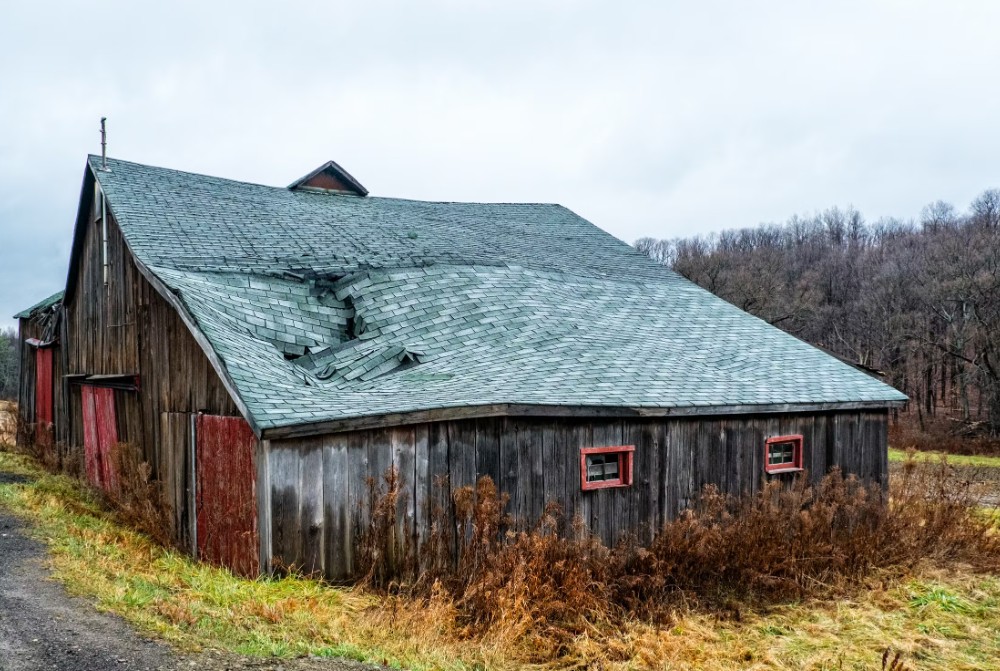
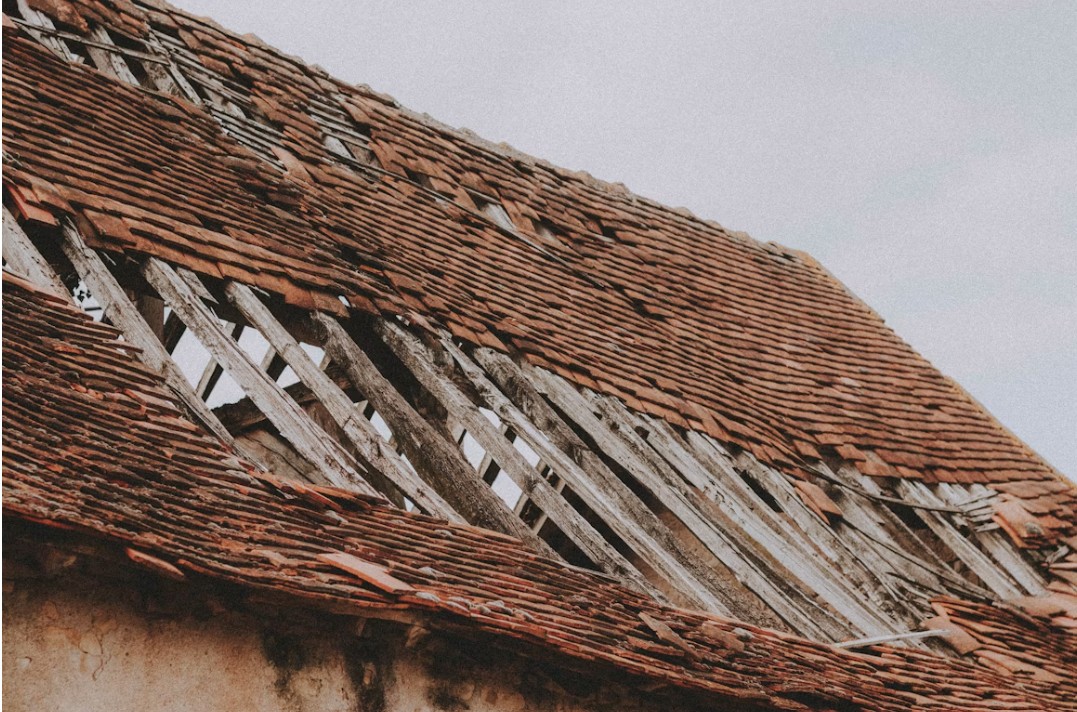
As soon as safely possible, document storm damage roof repair situations with photographs and video. Photograph roof damage from safe ground-level locations showing damaged areas clearly.
Take photos of interior water damage, damaged personal property, and other visible damage. Document the date and time. This documentation proves invaluable for insurance claims. Photographs provide evidence supporting your damage claims.
Note the type and intensity of weather causing damage. Hail size, wind indicators, snow accumulation, or flood extent all support claims. Write detailed descriptions of what happened and observed damage extent. This documentation helps insurance adjusters understand damage context.
Address Water Intrusion Immediately
If water is actively leaking into your home, immediate storm damage roof repair response prevents interior damage expansion. Move valuable items, electronics, documents, and furnishings away from leak areas.
Place buckets or tarps catching water preventing staining and damage to ceilings, walls, and flooring. Open doors allowing airflow reducing moisture levels. Use dehumidifiers if available controlling humidity preventing mold growth.
Turn off electricity to areas with water exposure. Wet electrical systems create electrocution hazards. If you’re unsure how to safely manage electricity, consult qualified electricians before addressing storm damage roof repair.
Contact Your Insurance Company Immediately
Report storm damage to your insurance company as quickly as possible. Most insurers have emergency hotlines operational after major storm events. Provide your policy number, date of damage, and damage description.
Insurance companies guide next steps and may authorize emergency repairs. Prompt reporting is often required by insurance policies. Document your contact including date, time, and person spoken with.
Most insurance companies will schedule adjuster appointments within specified timeframes. Understand your insurance coverage including deductibles and coverage limits. Don’t assume all damage is covered; review policy specifics.
Arrange Temporary Protection
If roof damage is extensive, temporary tarping prevents additional water intrusion while permanent repairs are arranged. Professional tarping services can respond quickly to emergency situations. Tarping costs money but prevents thousands in additional damage. Temporary tarping is well-invested considering potential water damage avoided.
If you have materials available and safe access to roof, minimal temporary tarping might help. However, never take unnecessary risks. Leave professional tarping to qualified contractors.
Minimize Interior Damage
Beyond water management, prevent mold and secondary damage through rapid response. Remove water-damaged materials if safe to do so. Document removed items with photos before disposal.
Wet insulation should be removed and replaced to prevent mold growth and maintain energy efficiency. Water-damaged drywall and flooring may need removal depending on saturation extent.
Start drying process as quickly as possible. Open windows if weather allows. Run fans directing air across damp surfaces. Dehumidifiers reduce humidity preventing mold growth. The faster drying occurs, the less secondary damage results. This storm damage roof repair mitigation action should proceed simultaneously with professional help arrangement.
Hire Roofing Contractors for Permanent Repairs
Contact roofing contractors immediately for permanent storm damage roof repair. During major storm events affecting multiple properties, contractors may face scheduling delays. Early contact helps secure contractor availability. Provide detailed damage descriptions and photographs. Get multiple estimates understanding cost variations and approach differences.
Insurance companies sometimes provide preferred contractor lists, but you can hire contractors of your choice. Select contractors carefully. Verify licensing, insurance, references, and experience with storm damage roof repair. Avoid predatory contractors attempting rapid takeover of claims without adequate evaluation.
Coordinate Insurance Adjusters and Contractors
Communication between insurance adjusters and your contractors ensures coverage of necessary work. Some insurance companies want adjuster assessment before authorizing repairs. Others allow immediate emergency work. Understand your insurance company’s procedures.
Don’t sign anything committing to contractor work until insurance adjuster assesses damage. Insurance coverage determines what work you can actually afford. Coordinate carefully ensuring you understand what’s covered before authorizing expenses.
Protect Property During Repairs
Securing your property after storm damage roof repair work begins remains important. Lock gates and doors. Don’t leave valuables unattended. Coordinate with contractors about property security during work. Maintain insurance coverage throughout repair process. Document all work completed and payments made.
Handle Insurance Claims Carefully
Provide insurance companies with detailed information about damage and repair estimates. Don’t accept initial low settlement offers if damage documentation supports higher amounts. Photos, contractor estimates, and detailed damage descriptions support your position. You can dispute insurance determinations and request additional assessment.
Frequently Asked Questions (FAQs)
1. How Soon After Storm Damage Should I Contact My Insurance Company?
Contact immediately, even outside normal business hours. Insurance companies have emergency hotlines. Prompt reporting often is required by policies. Delays might jeopardize coverage. Immediate contact starts clock for adjuster scheduling.
2. Can I Start Storm Damage Roof Repair Work Before Insurance Adjuster Visits?
Emergency protective measures like tarping and water removal are appropriate immediately. However, verify with your insurance company before starting permanent repairs. Most insurers want adjuster assessment before authorizing repairs. Obtaining adjuster approval protects you from coverage disputes.
3. What If Insurance Doesn’t Cover All Storm Damage Roof Repair Costs?
Review your policy understanding specific coverage. Insurance covers weather damage but might exclude flooding or wear. You’re responsible for costs exceeding coverage. Understand your deductible and any coverage caps. You might have additional coverage options through riders or separate policies.
4. How Should I Choose Between Multiple Contractor Estimates for Storm Damage Roof Repair?
Compare estimates understanding differences in material quality, scope, and warranty. Don’t automatically choose lowest bid. Select contractors who will interface well with insurance companies and provide quality work. Request references from storm damage repair projects.
5. How Long Do Storm Damage Roof Repair Projects Take?
Duration depends on damage extent and material availability. Simple tarp-and-repair situations might complete in days. Major replacement work requires weeks. Contractor scheduling during high-demand periods can cause delays. Discuss timelines with your contractor understanding realistic expectations.