The shift toward steel roofing reflects growing awareness among property owners that initial installation costs matter far less than total lifetime value when protecting buildings. Traditional asphalt shingles that need replacement every 15 to 20 years create endless cycles of expense and disruption, while steel roofs routinely last 40 to 70 years with minimal maintenance.
This fundamental economics, combined with steel’s superior weather resistance, fire protection, energy efficiency, and environmental benefits, explains why residential and commercial properties increasingly choose metal over traditional materials.
Understanding the specific advantages driving this trend helps property owners make informed decisions about protecting their most significant investments.
The Economics That Change Everything
Long-term financial analysis reveals why steel roofing makes sense despite higher upfront costs compared to asphalt shingles.
Lifecycle cost comparison shows steel winning decisively over time. A 1,500 square foot asphalt shingle roof might cost 8,000 to 12,000 dollars installed but need replacement after 20 years.
That’s potentially three complete reroofs over 60 years, totaling 24,000 to 36,000 dollars before accounting for inflation. A steel roof costing 15,000 to 22,000 dollars installed lasts 50 to 70 years, requiring just one installation for the same period.
Maintenance cost savings add up significantly. Asphalt shingles need periodic repairs, moss treatment, and replacement of damaged sections. Steel requires minimal maintenance beyond occasional cleaning and inspections. This difference saves thousands in maintenance expenses over decades.
Insurance premium reductions in many areas reflect steel’s superior fire resistance and weather durability. Some insurance companies offer 10 to 30 percent discounts for metal roofing, creating ongoing savings that compound over the roof’s lifetime.
Property value increase from steel roofing often exceeds installation costs. Homes with metal roofs typically appraise higher and sell faster than comparable homes with aging asphalt shingles. The immediate curb appeal and known longevity attract buyers willing to pay premiums.
Energy savings from reflective steel surfaces reduce cooling costs by 10 to 25 percent in many climates. These monthly savings accumulate over decades, offsetting installation costs while providing comfort benefits. Light-colored steel reflects solar heat rather than absorbing it like dark shingles.
Weather Performance That Actually Protects
Steel’s structural advantages deliver real protection during extreme weather events that damage or destroy traditional roofing materials.
Wind resistance superior to virtually all other residential roofing materials makes steel ideal for high-wind areas. Properly installed steel roofing withstands winds exceeding 120 mph, while asphalt shingles typically fail around 60 to 90 mph.
This matters enormously in coastal areas or regions with severe storms. Understanding winter storm preparation helps maximize protection.
Hail damage resistance far exceeds asphalt shingles or other organic materials. Large hail that would destroy shingles might dent steel but rarely punctures quality panels. Many steel roofing products carry Class 4 impact ratings, the highest available, qualifying for insurance discounts in hail-prone regions.
Snow load capacity from steel’s inherent strength handles heavy accumulation without structural concern. The smooth surface also promotes snow sliding once melting begins, reducing prolonged loading that stresses building structures. This self-clearing property prevents the ice dam formation common with asphalt shingles.
Lightning strike safety provides advantages often overlooked. While metal conducts electricity, steel roofing actually dissipates lightning energy safely across the entire roof rather than concentrating it at strike points. The material is non-combustible, preventing fire ignition even from direct strikes.
Extreme temperature tolerance means steel performs consistently from arctic cold to desert heat. Unlike asphalt that becomes brittle in cold and soft in heat, steel maintains structural integrity across temperature ranges. This stability prevents the cracking, warping, and premature failure plaguing temperature-sensitive materials.
Fire Protection Nobody Argues About
Steel’s non-combustible nature provides fire protection that saves lives, property, and insurance costs.
Class A fire rating, the highest available, means steel roofing won’t ignite from external fire sources or contribute to fire spread. This matters critically in wildfire-prone areas where ember storms ignite wooden roofs miles from active fire fronts. Steel roofs shed embers rather than catching fire.
Building code compliance in fire-risk areas increasingly requires non-combustible roofing. Many wildfire interface zones now mandate Class A roofing for new construction and replacement projects. Steel meets these requirements automatically while many traditional materials don’t.
Insurance benefits from fire resistance translate to lower premiums and better coverage. Some areas with extreme fire risk struggle to get any insurance coverage, but non-combustible roofing improves insurability and reduces costs significantly.
Peace of mind from knowing your roof won’t contribute to catastrophic fire loss has value beyond dollars. Families in fire-prone areas sleep better knowing steel roofs provide maximum protection even if fire reaches their property.
Environmental Advantages Driving Adoption
Sustainability concerns influence material choices as property owners recognize environmental impacts of roofing decisions.
Recycled content in steel roofing typically ranges from 25 to 95 percent depending on manufacturer and product. This high recycled content reduces environmental impact compared to petroleum-based asphalt shingles requiring virgin materials.
Complete recyclability at end of life means old steel roofs become new steel products rather than filling landfills. Contrast this with the estimated 11 million tons of asphalt shingles hitting U.S. landfills annually. Steel roofing creates no permanent waste.
Energy efficiency through reflectivity reduces building cooling needs, lowering carbon emissions from power generation. This environmental benefit extends throughout the roof’s 50 to 70 year lifespan, multiplying positive impact.
Reduced manufacturing frequency matters environmentally. Manufacturing roofing materials consumes energy and resources. Asphalt roofs requiring replacement every 20 years mean three times the manufacturing impact over 60 years compared to one steel roof lasting the same period.
Sustainable building certification programs like LEED recognize metal roofing’s environmental benefits with points toward certification. Properties pursuing green building status benefit from steel roofing selection.
Installation Flexibility and Speed
Modern steel roofing installation offers practical advantages making projects smoother and faster than traditional materials.
Lightweight construction reduces structural load compared to tile, slate, or even multiple layers of old asphalt. This light weight sometimes allows installation over existing roofs without removal, saving demolition and disposal costs. The reduced structural demand also benefits older buildings.
Fast installation timeframes mean projects complete quicker than asphalt shingle work in many cases. Experienced crews install steel roofing efficiently, minimizing the time your home is exposed during installation. Fewer weather delays occur because steel can be installed in broader temperature ranges than temperature-sensitive materials.
Overlay capability on existing roofs eliminates tear-off costs and disruption when structural conditions allow. Installing steel over aged asphalt shingles creates an additional insulation layer while avoiding disposal expenses. However, this approach has tradeoffs worth discussing with contractors.
Complex geometry accommodation through varied panel lengths and cutting capabilities means steel works on challenging roof shapes. Dormers, valleys, and architectural details that complicate traditional roofing handle well with properly cut and fitted steel panels.
Aesthetic Evolution Changing Perceptions
Steel roofing aesthetics have evolved dramatically, moving beyond industrial appearances to suit diverse architectural styles.
Color variety now includes virtually any shade imaginable through advanced coating systems. Traditional gray metal has given way to earth tones, bright colors, and even custom matches. This variety lets steel complement any architectural style from traditional to contemporary.
Profile options range from sleek standing seam for modern designs to textured panels mimicking wood shakes or tile for traditional aesthetics. Metal shingle products replicate dimensional asphalt shingles so convincingly that they’re often indistinguishable from street level.
Finish quality from modern coating systems maintains appearance for decades without the fading, staining, or biological growth plaguing organic materials. Premium coatings like Kynar or PVDF resist UV degradation and maintain color integrity for 30 to 40 years.
Architectural acceptance has grown as more high-end homes and commercial buildings showcase steel roofing. What was once considered purely functional has become a design choice enhancing property appearance and value. Understanding which roofing materials suit specific climates helps with selection.
Technology Improvements Enhancing Performance
Continuous technological advances make modern steel roofing superior to products from even a decade ago.
Coating technology evolution provides better color retention, improved corrosion resistance, and enhanced energy efficiency. Modern coatings outperform older systems dramatically in longevity and performance.
Concealed fastener systems like standing seam eliminate exposed screws that cause most metal roof leaks. These premium systems cost more but deliver superior weather protection and reduced maintenance needs.
Insulation integration options including foam-backed panels or systems incorporating rigid insulation improve thermal performance beyond what basic steel provides. These enhanced systems address noise concerns while boosting energy efficiency.
Installation equipment advances make professional installation more efficient and precise. Specialized tools for cutting, forming, and fastening produce better results faster than older methods allowed.
Addressing Common Concerns
Understanding how modern steel roofing addresses traditional concerns helps property owners make confident decisions.
Noise during rain and hail is minimal with proper installation over solid sheathing and underlayment. The insulation and decking dampen sound effectively. Most homeowners report no noticeable noise difference from previous asphalt shingle roofs. Only installations directly over open framing without sheathing are significantly louder.
Denting from hail depends on panel gauge and coating. Thicker steel resists denting better, and some products carry dent warranties. In most residential applications, denting remains minor cosmetic concern rather than functional failure even in severe hail.
Oil canning or waviness in flat panel sections comes from improper installation or inadequate panel thickness. Quality installation with appropriate materials prevents this aesthetic issue. Ribbed or corrugated profiles naturally resist oil canning through their structural design.
Lightning attraction is a myth worth dispelling. Steel roofing doesn’t attract lightning but does conduct it safely when strikes occur. The non-combustible material actually provides better fire protection than materials that can ignite from lightning.
Professional Installation Requirements
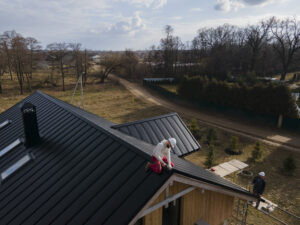
Steel roofing performance depends critically on proper installation by experienced contractors who understand material-specific requirements.
Specialized knowledge of thermal expansion accommodation, proper fastening techniques, and weather sealing separates quality installations from problematic ones. Steel expands and contracts significantly with temperature changes. Installations must allow this movement without creating stress that causes fastener pull-out or panel distortion.
Manufacturer certification ensures installers receive proper training on specific products. Certified installers access better warranties and technical support unavailable to uncertified contractors. This certification matters for long-term performance and warranty validity.
Quality control during installation catches small issues before they become problems. Professional contractors inspect work at multiple stages, ensuring each phase meets standards before proceeding. This attention prevents the rushed work that creates future failures.
Equipment investment by professional installers includes specialized tools for cutting, forming, and fastening steel panels that DIY approaches lack. Proper equipment produces better results and faster completion. Companies like Roofing Formula LLC maintain equipment and expertise delivering quality installations.
Regional Suitability Variations
Steel roofing performance varies by climate, making regional factors important in material selection and system design.
Coastal environments benefit enormously from steel’s corrosion resistance, especially galvanized or galvalume coatings designed for salt air exposure. Regular washing removes salt buildup, extending life even in harsh coastal conditions. Aluminum performs even better in salt air but costs more.
Snow country advantages include smooth surfaces promoting snow sliding and structural capacity handling heavy loads. Steel’s strength prevents the roof collapse risk some materials face under extreme snow accumulation.
Hot climates gain maximum benefit from steel’s reflectivity reducing cooling loads. Light-colored steel roofs in southern climates can reduce attic temperatures by 30 to 50 degrees compared to dark asphalt, cutting cooling costs substantially.
High wind areas see steel’s greatest protective advantage. Hurricane-prone regions particularly benefit from steel’s wind resistance far exceeding other residential materials. Proper installation is critical for realizing this wind resistance.
The Growing Commercial Adoption
Commercial property owners increasingly choose steel for practical reasons that residential owners share.
Lifecycle economics matter more in commercial contexts where property is investment rather than just shelter. Business owners calculate return on investment carefully, and steel roofing’s longevity and low maintenance deliver clear financial advantages.
Reduced disruption from infrequent replacement benefits businesses where roof work interrupts operations. Installing a roof once for 50 to 60 years beats replacing it three times over the same period.
Lower insurance costs from fire resistance and weather durability help commercial bottom lines. The premium reductions often justify steel selection even before considering other benefits.
Energy savings at commercial scale create substantial cost reductions. Large roof areas mean significant heat gain through dark roofs, while reflective steel dramatically reduces this load.
Making the Investment Decision
Evaluating whether steel roofing makes sense for your property requires honest assessment of priorities, budget, and long-term plans.
Time horizon planning matters significantly. If you plan selling property within five years, premium roofing might not recover costs. However, if you’re settling long-term, steel roofing’s lifetime value is unmatched.
Budget reality assessment includes considering financing options spreading costs over time. While upfront investment exceeds asphalt, the total lifetime cost favors steel decisively. Some lenders offer energy-efficient home improvement loans with favorable terms.
Priority clarification around protection, aesthetics, and environmental impact helps determine if steel’s benefits align with your values. Some people prioritize lowest initial cost regardless of long-term economics, while others value permanent solutions. Following thoughtful choosing contractors approaches ensures quality work.
Climate consideration affects value proposition. Steel’s benefits shine brightest in challenging weather conditions with high winds, heavy snow, wildfire risk, or extreme temperatures. Milder climates reduce but don’t eliminate steel’s advantages.
Conclusion
The rising popularity of steel roofing reflects rational economics, superior performance, and growing environmental awareness among property owners seeking permanent solutions rather than temporary fixes.
While higher initial costs once discouraged adoption, lifecycle analysis clearly shows steel delivering better long-term value than repeated replacement of cheaper materials. Add superior weather resistance, fire protection, energy efficiency, environmental benefits, and modern aesthetic options, and the case for steel becomes compelling for many applications.
Whether you’re replacing an aging roof or building new construction, understanding why steel roofing continues gaining market share helps you evaluate whether its benefits align with your protection needs and long-term property goals.
Frequently Asked Questions (FAQs)
1. How Much More Does Steel Roofing Cost Than Asphalt Shingles?
Steel roofing typically costs 150 to 300 percent more than basic asphalt shingles initially, with steel installation running 10 to 18 dollars per square foot compared to 4 to 8 dollars for asphalt. However, lifecycle cost analysis reveals steel costs less over time.
Asphalt shingles lasting 20 years require three replacements over 60 years, totaling potentially 24,000 to 36,000 dollars for an average home when accounting for inflation. Steel roofing lasting 50 to 70 years requires one installation in the same period.
Additionally, steel’s lower maintenance costs, insurance discounts, and energy savings further improve long-term economics. The higher upfront investment pays back through longevity and reduced lifetime expenses.
2. Does Steel Roofing Rust or Corrode Over Time?
Modern steel roofing resists rust through protective coatings and galvanization processes. Galvanized steel has zinc coating preventing corrosion, while galvalume combines aluminum and zinc for superior protection.
Quality paint systems add another corrosion barrier. Rust only develops if coatings are damaged and bare steel is exposed to moisture repeatedly. Minor scratches typically self-heal through the galvanization process.
In coastal areas with salt air, choosing appropriate coatings and regular washing prevents corrosion. Aluminum roofing completely eliminates rust concerns but costs more. With proper coating selection and minimal maintenance, steel roofing maintains integrity for 50 to 70 years without significant corrosion.
3. Can Steel Roofing Be Installed Over Existing Shingles?
Steel roofing can be installed over one layer of existing asphalt shingles in many situations, saving tear-off and disposal costs. This approach requires the existing roof to be in reasonable condition without significant damage, rot, or excessive layers. Benefits include cost savings and added insulation from the shingle layer.
However, you cannot inspect the roof deck for problems when covering shingles, and the additional layer reduces ventilation effectiveness. Building codes limit this practice in some areas.
Most roofing professionals recommend removing old shingles for optimal results and complete deck inspection, though overlay installation works acceptably when budget constraints exist and existing roof condition allows.
4. How Long Does Steel Roofing Actually Last?
Steel roofing lasts 40 to 70 years depending on material quality, coating type, installation quality, and maintenance. Basic galvanized steel typically lasts 40 to 50 years, galvalume steel extends to 50 to 60 years, and premium coated systems reach 60 to 70 years in most climates.
This dramatically exceeds asphalt shingles lasting 15 to 25 years or wood shakes lasting 20 to 30 years. The key factors affecting longevity include coating quality protecting against corrosion and UV damage, proper installation allowing thermal movement, and minimal maintenance addressing minor issues before they worsen.
Even in harsh climates with extreme weather, steel roofing routinely doubles or triples the lifespan of traditional materials.
5. Is Steel Roofing Really More Energy Efficient Than Shingles?
Steel roofing provides significantly better energy efficiency than dark asphalt shingles through solar heat reflection. Light-colored steel roofs reflect 60 to 70 percent of solar energy compared to dark shingles absorbing 80 to 90 percent. This reduces attic temperatures by 30 to 50 degrees, lowering cooling costs by 10 to 25 percent in most climates.
Special reflective coatings enhance this benefit further. The smooth metal surface also allows air circulation between roofing and sheathing, improving thermal performance.
Energy savings vary by climate, roof color, insulation levels, and building design, but most homeowners see noticeable cooling cost reductions. These monthly savings accumulate over the roof’s 50 to 70 year lifespan, adding substantial long-term value.