Common roof ventilation mistakes damage roof systems progressively, shortening roof lifespan by years compared to properly ventilated roofs despite identical materials and installation. Many homeowners remain unaware that ventilation problems exist or understand ventilation importance, allowing mistakes to persist until water damage becomes obvious.
Professional contractors recognize roof ventilation mistakes and recommend corrections, but homeowners sometimes defer ventilation improvements viewing them as optional upgrades rather than essential maintenance.
Understanding which roof ventilation mistakes cause damage allows recognition of problems and motivation for timely correction. Systematic correction of roof ventilation mistakes extends roof lifespan, prevents moisture damage, and improves attic conditions directly supporting building longevity and energy efficiency.
Blocked or Insufficient Soffit Vents
One of the most common roof ventilation mistakes involves soffit vents becoming blocked or installed inadequately for intake requirements. Blown-in attic insulation sometimes restricts soffit vents creating blockages.
Debris, nests, or ice accumulation blocks air entry. Insufficient soffit vent area compared to ridge vent outlet creates ventilation imbalance. These roof ventilation mistakes prevent proper intake air preventing complete ventilation cycle.
Correcting this common roof ventilation mistake involves inspecting soffit vents, clearing blockages, and ensuring adequate intake area. Adding additional soffit vents or vent extensions beneath insulation might be necessary. Proper intake ventilation is essential for effective exhaust ventilation.
Improper Attic Insulation Installation
Another critical roof ventilation mistake involves insulating attics improperly, blocking soffit vent air entry. Insulation placed against roof bottom prevents air circulation through soffits. Loose-fill insulation sometimes compacts around soffit areas creating barriers. These roof ventilation mistakes prevent makeup air entry essential for ventilation system function.
Correcting this roof ventilation mistake requires ensuring insulation doesn’t block soffit vents. Air spacers or proper insulation positioning allows ventilation airflow. Professional insulation installation prevents this common ventilation error.
Inadequate Ridge Vent Installation
Ridge vents represent exhaust pathway for attic ventilation. Inadequate ridge vent sizing, improper installation, or obstruction creates roof ventilation mistakes preventing heat and moisture exhaust. Blockages from debris, nests, or improper roof cap installation prevent air exit. Inadequate ridge length compared to roof area prevents sufficient exhaust capacity.
Correcting roof ventilation mistakes at ridge vents requires ensuring vents are fully open and unobstructed. Inspection from attic reveals blockages. Professional correction involves clearing blockages or upgrading vent sizing if inadequate.
Mixing Different Vent Types Improperly
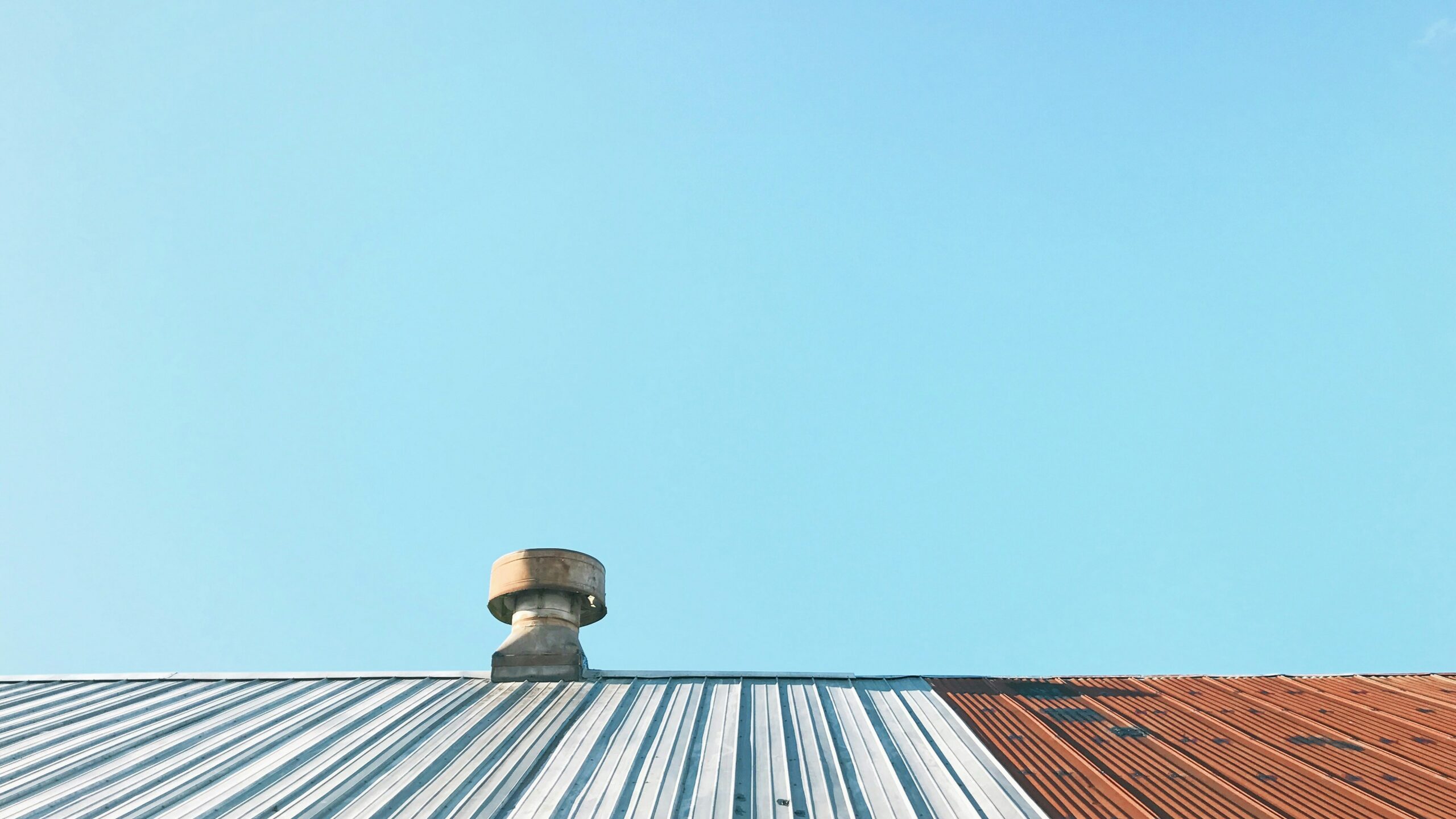
Combining different ventilation vent types (turbines, gable vents, ridge vents) without proper planning creates roof ventilation mistakes where conflicting airflows prevent effective ventilation. Some vent types create suction while others create pressure. Incompatible combinations cancel each other reducing overall effectiveness.
Correcting roof ventilation mistakes involving mixed vent types requires evaluating entire ventilation system. Sometimes sealing conflicting vents and relying on planned intake and exhaust vents creates superior performance.
Insufficient Ventilation Area
Ventilation requires intake area approximately matching exhaust area in most designs. Roof ventilation mistakes include undersizing ventilation components.
Ridge vents that are too small or soffit vents too minimal create bottleneck preventing adequate airflow. Building code ventilation requirements specify minimum area ratios, but many older homes don’t meet current standards.
Upgrading undersized ventilation involves adding additional vents or larger vent sizing. This roof ventilation mistake correction improves overall system capacity reducing moisture accumulation.
Poor Air Distribution and Flow Patterns
Some roof ventilation mistakes result from poor airflow within attic spaces. Insulation or structural obstacles create dead zones preventing airflow. Ridge vents near gables sometimes exhaust air before it circulates through entire attic. These roof ventilation mistakes prevent moisture from being removed from all attic areas.
Correcting airflow problems sometimes involves structural modifications directing air toward exhaust vents. Adding baffles or air dams might improve distribution in problem areas.
Bathroom and Kitchen Exhaust Venting Into Attic
One particularly damaging roof ventilation mistake involves exhausting warm moist air from bathrooms and kitchens directly into attic spaces rather than outside. This moisture-laden air condenses in attics creating serious mold growth and structural deterioration. This ventilation mistake damages roof systems far more than simple lack of ventilation.
Correcting this critical roof ventilation mistake requires running exhaust ducting directly outside. Sealing any openings previously used for attic venting prevents future moisture entry.
Closing Vents in Winter Mistakenly
Some property owners mistakenly close ventilation vents in winter attempting to reduce heating costs. This roof ventilation mistake actually increases winter problems as moisture from interior spaces penetrates attics condensing on cold surfaces. Closed ventilation prevents moisture escape creating accelerated ice dam formation and moisture damage.
Leaving ventilation open year-round is correct approach. Modern insulation and sealing reduces air infiltration while maintaining ventilation function.
Improper Ventilation Balance
Ventilation effectiveness depends on balance between intake and exhaust. Roof ventilation mistakes include creating excessive exhaust capacity compared to intake or vice versa. Imbalanced systems short-circuit with air entering and immediately exiting near vents rather than circulating through entire attic.
Professional ventilation design ensures balanced intake and exhaust areas with proper distribution allowing air circulation through entire attic before exhaust.
Frequently Asked Questions (FAQs)
1. How Can I Tell If My Roof Has Ventilation Problems?
Signs of ventilation mistakes include moisture stains on attic insulation, mold growth, ice dams forming along roof edges, or excessive attic heat in summer. Check soffit vents for blockages. Look for missing or inadequate ridge vents. Professional attic inspection reveals ventilation problems clearly.
2. Can Ventilation Problems Damage My Roof Without Visible Interior Damage?
Yes. Prolonged ventilation mistakes cause hidden moisture damage to structural components before interior effects appear. By the time visible damage develops, significant structural damage might exist. Preventing ventilation mistakes avoids allowing hidden damage progression.
3. Should I Add More Ventilation If Current Ventilation Seems Insufficient?
Professional evaluation determines whether existing ventilation is adequate or needs upgrading. Adding vents helps if intake and exhaust are balanced. Adding exhaust vents without adequate intake makes problems worse. Get professional assessment before modifications.
4. Are Gable Vents Adequate Roof Ventilation Without Other Vents?
Gable vents alone provide limited ventilation unless combined with intake vents. Modern codes recommend soffit intake combined with ridge or other exhaust vents. Gable vents should be secondary to primary intake-exhaust system in most designs.
5. Does Attic Ventilation Reduce Energy Efficiency?
Proper attic ventilation improves overall efficiency by preventing moisture damage and heat buildup. Ventilation mistakes that leave vents closed or blocked increase energy costs. Open ventilation with adequate insulation and air sealing provides best efficiency.
Don’t close vents trying to save energy—insulate properly instead. Roofing Formula LLC can evaluate your ventilation system identifying mistakes and recommending corrections improving roof performance.