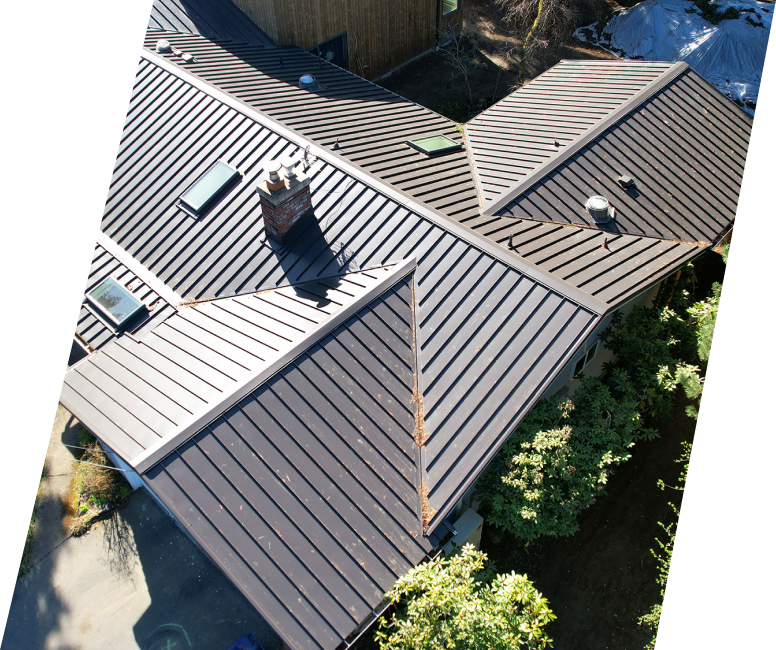
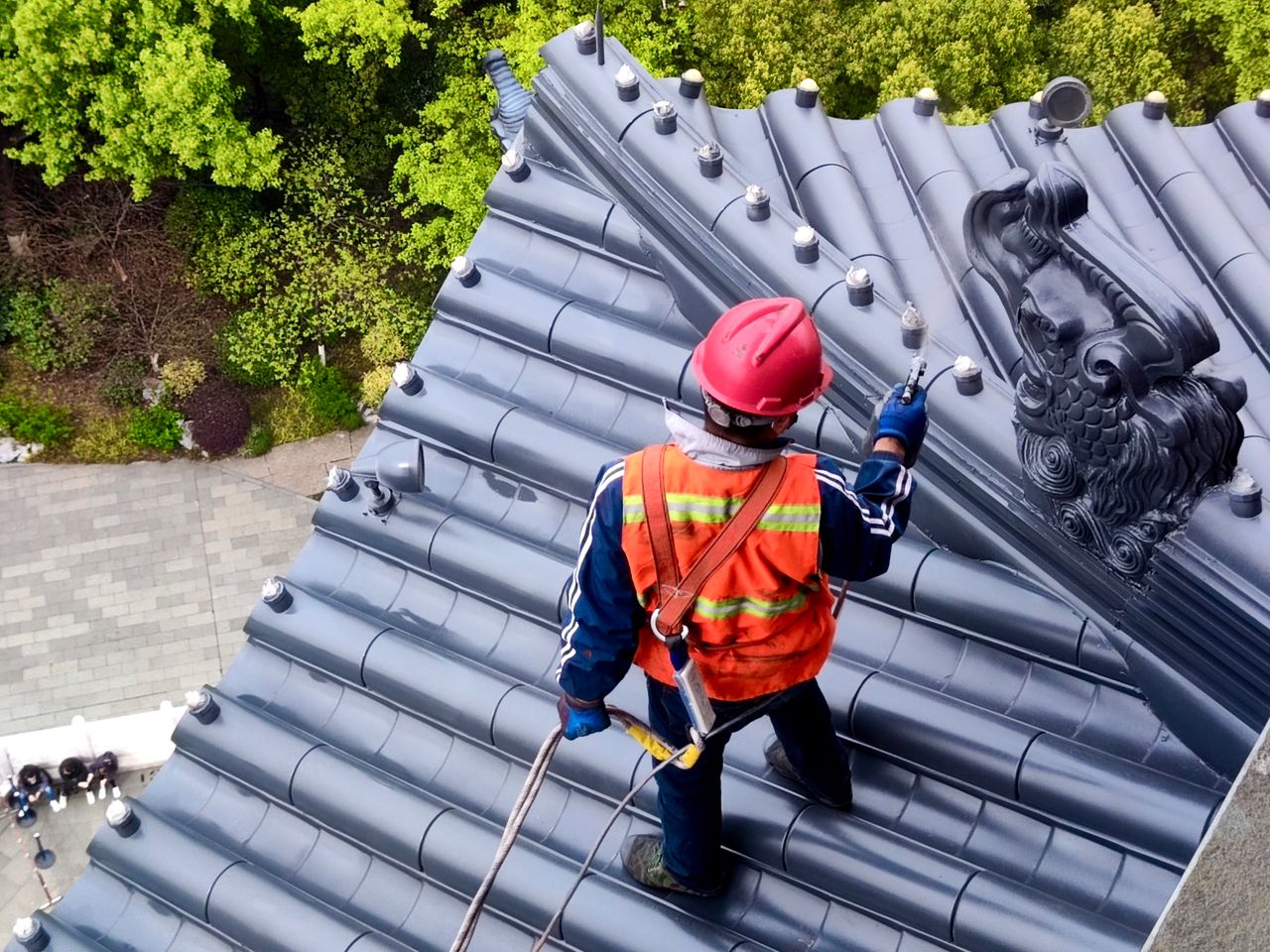
Deciding between roof restoration and roof replacement represents one of the most significant roofing investment decisions property owners face, with choice dramatically affecting costs, timeline, and long-term property performance.
Many homeowners facing deteriorating roofs default to replacement without evaluating whether restoration might extend roof life affordably. Conversely, some pursuing restoration when replacement would provide better long-term value waste money attempting to extend clearly failing roofs.
Strategic evaluation of restoration versus replacement options aligned with roof age, damage extent, and financial considerations helps prioritize appropriate approach. Professional contractors assess both options recommending approaches delivering optimal value based on individual circumstances.
Roof Restoration Overview
Roof restoration involves repairing existing roof structures, upgrading components, and extending useful life without complete replacement.
Restoration approaches vary from simple cleanup and maintenance to comprehensive system upgrades including new membranes applied over existing structures. Restoration preserves existing roof base when structurally sound, focusing investment on component replacement and protection layer restoration.
Restoration costs typically run 50-70% of replacement costs, making it attractive budget option when appropriate. Restoration allows extending roof life 10-15 additional years when conditions warrant this approach. Existing structure preservation sometimes provides value advantages over replacement.
Roof Replacement Overview
Complete roof replacement removes existing roofing to bare substrate, often replacing structural components as needed, then installing new roofing system.
Replacement provides opportunity to upgrade materials, improve ventilation, and address structural problems discovered during tear-off. Replacement eliminates uncertainty about underlying conditions, as contractors fully assess structures.
Replacement costs 30-50% more than restoration but provides longer service life. New roofing systems carry extended warranties. Replacement represents complete fresh start on roofing protection. Structural problems forcing replacement sometimes justify premium through comprehensive solutions.
Roof Age Considerations
Roofs past their expected lifespan often warrant replacement rather than restoration. Asphalt shingles near or past 25-year expectancy are replacement candidates. Flat roofs nearing 20-25 years are typically replacement candidates. Restoration attempts on roofs already exceeding expected lifespan often fail shortly after completion, wasting investment.
Roofs in early-to-mid lifespan with isolated problems might be restoration candidates. Understanding expected material lifespan guides appropriate option selection.
Damage Extent and Type Assessment
Localized damage affecting specific areas might warrant targeted restoration. Widespread deterioration across large roof areas typically indicates replacement more appropriate than extensive patching. Professional assessment determines damage scope and whether restoration addresses root causes or merely masks symptoms.
Structural damage discovered during assessment often favors replacement because roof reconstruction becomes necessary anyway. Restoration doesn’t address fundamental structural problems requiring reconstruction.
Cost Comparison and Long-Term Value
Complete financial evaluation comparing restoration costs against replacement costs, warranty duration, and expected lifespan determines value comparison. Restoration costing $6,000 extending roof 10 years costs $600 per year. Replacement costing $12,000 lasting 25-30 years costs $400-480 per year. Apparent restoration savings might prove poor value over time.
Calculate total cost of ownership across typical property ownership period. Restoration plus replacement in 10 years might cost more than single replacement lasting 25 years.
Restoration Method Considerations
Different restoration approaches offer varying benefits and limitations. Reflective coatings cool roofs reducing energy costs but don’t address underlying deterioration.
New single-ply membranes over existing roofs improve waterproofing but don’t replace failing substrate. Sealant and repair-focused restoration addresses immediate problems but not underlying failures.
Understanding specific restoration approach helps evaluate appropriateness for your situation. Some methods work well; others merely postpone inevitable replacement.

Warranty and Performance Implications
Restoration projects typically carry limited warranties compared to replacement. Contractors might warranty restoration work only 5-10 years versus 20+ year warranties on new roofs. Limited warranties reflect uncertainty about underlying structural performance and lifespan.
New roof replacements with extended warranties provide greater security and protection. Warranty differences reflect confidence in performance expectations.
Timeline and Disruption Considerations
Restoration projects typically complete faster than replacement with less disruption to building operations. Minimal tear-off and disposal reduces project timeline and cost. Commercial buildings sometimes favor restoration minimizing operational disruption.
Replacement requires longer timeline but provides complete solution avoiding follow-up work for extended period.
When Restoration Makes Sense
Restoration proves appropriate when roofs remain structurally sound with no critical deterioration, roof age permits 10-15 additional years, damage involves isolated areas rather than widespread problems, budget constraints limit replacement feasibility, and underlying substrate remains functional.
When Replacement Makes Sense
Replacement proves better choice when roofs approach or exceed expected lifespan, damage is widespread affecting majority of roof area, structural problems require reconstruction, long-term property value justifies investment, or restoration warranty limitations concern you.
Frequently Asked Questions (FAQs)
1. How Do I Know If My Roof is a Restoration or Replacement Candidate?
Professional assessment determines appropriateness. Contractors evaluate age, damage extent, structural condition, and cost comparison. Most recommend one approach as clearly superior, but close decisions require careful financial analysis comparing options.
2. Is Restoration Just Delaying Inevitable Replacement?
Sometimes. Restoration on aging roofs sometimes extends life affordably. Other times, restoration merely postpones replacement increasing total costs. Professional assessment should indicate whether restoration provides genuine value or buys limited time before replacement becomes necessary.
3. Should I Choose Restoration or Replacement Based on Lowest Cost?
While budget matters, lowest-cost option isn’t always best value. Restoration might cost less initially but require replacement sooner. Replacement might cost more but last decades longer. Evaluate total cost of ownership rather than initial cost alone.
4. What Happens If My Restoration Fails Before Expected Lifespan?
This risk exists with restoration. Limited warranties mean contractors aren’t responsible for failures beyond warranty period. Replacement reduces failure risk because complete new systems rarely fail prematurely.
5. Can I Start With Restoration and Upgrade to Replacement Later If Needed?
Yes. Restoration sometimes makes sense as interim solution extending roof while budgeting for future replacement. However, some restoration methods complicate subsequent replacement. Discuss whether your restoration allows or complicates future replacement.