You notice a few missing shingles after a storm or spot a small water stain on your ceiling, and you think about getting roof repair done soon. But life gets busy, the damage seems minor, and weeks turn into months.
This common pattern of procrastination is exactly how small roofing problems transform into expensive disasters that can cost thousands more than the original fix would have. Understanding what happens inside your roof when damage goes unaddressed helps you see why that small problem needs attention now, not later.
What Actually Happens When You Wait
The progression from minor to major damage follows a predictable path that most homeowners don’t see until it’s too late. That small gap from a missing shingle doesn’t just sit there quietly.
Water seeps in during the next rain, soaking into the underlayment and wooden deck underneath. The moisture spreads through the wood fibers, creating the perfect environment for rot and mold growth.
Each rain cycle pushes water further into your home’s structure. What started as surface moisture penetrates deeper, affecting insulation, framing, and eventually your interior walls and ceilings.
The wood that supports your entire roof structure begins to soften and lose strength. Within months, what could have been a simple shingle replacement becomes a project requiring new decking, insulation, and possibly even structural repairs.
Temperature changes accelerate the damage through freeze-thaw cycles. Water that seeps into small cracks freezes overnight and expands, making those cracks larger. When it thaws, more water gets in. This cycle repeats through fall and winter, turning hairline cracks into significant breaks in your roofing material.
The Hidden Cost of Waiting
The financial impact of delaying repairs compounds quickly. A simple patch job that might cost a few hundred dollars turns into thousands when water damage spreads to structural components. But the costs go beyond just the bigger bill for actual work.
Water intrusion ruins insulation, reducing its effectiveness and driving up your energy bills month after month until you fix it. Your heating and cooling systems work harder, wearing out faster and costing more to operate. These ongoing expenses add up while you wait to address the original problem.
Insurance complications make delayed repairs even more expensive. Most homeowner policies cover sudden damage from storms or accidents.
However, they typically don’t cover damage from neglect or lack of maintenance. When you wait months to address known damage, insurance companies can deny claims for the resulting problems. That means you’re paying out of pocket for everything.
Interior damage to walls, ceilings, furniture, and belongings gets expensive fast. Water stains ruin drywall that needs replacement. Mold remediation requires professional services and proper disposal of contaminated materials. Personal items damaged by leaks aren’t always replaceable.
Storm Damage and Immediate Action
Pacific Northwest storms hit hard and fast, making quick assessment critical. High winds lift shingles, heavy rain finds every weakness, and falling branches create obvious holes. But winter storms also cause hidden damage that only gets worse with time.
After any significant weather event, walking around your property reveals obvious problems like missing shingles, damaged flashing, or dented gutters. But climbing into your attic with a flashlight shows what you can’t see from outside. Look for water stains on the underside of the roof deck, wet insulation, or daylight coming through where it shouldn’t.
Temporary measures help minimize damage while you arrange proper fixes. Tarps secured correctly over damaged areas prevent additional water intrusion. Clear debris from gutters and valleys so water can drain properly. Document everything with photos for insurance purposes before you make temporary repairs.
Different Materials, Different Urgencies
The type of material on your roof determines how quickly small problems become big ones. Each material deteriorates differently when damaged, and knowing these patterns helps you prioritize repairs appropriately.
Asphalt shingles are the most common material in residential roofing. When individual shingles crack, curl, or blow off, the exposed underlayment usually holds for a little while.
But underlayment isn’t designed for weather exposure. It breaks down quickly under UV rays and moisture, typically failing within weeks to a few months. Once it fails, water goes straight into your roof deck.
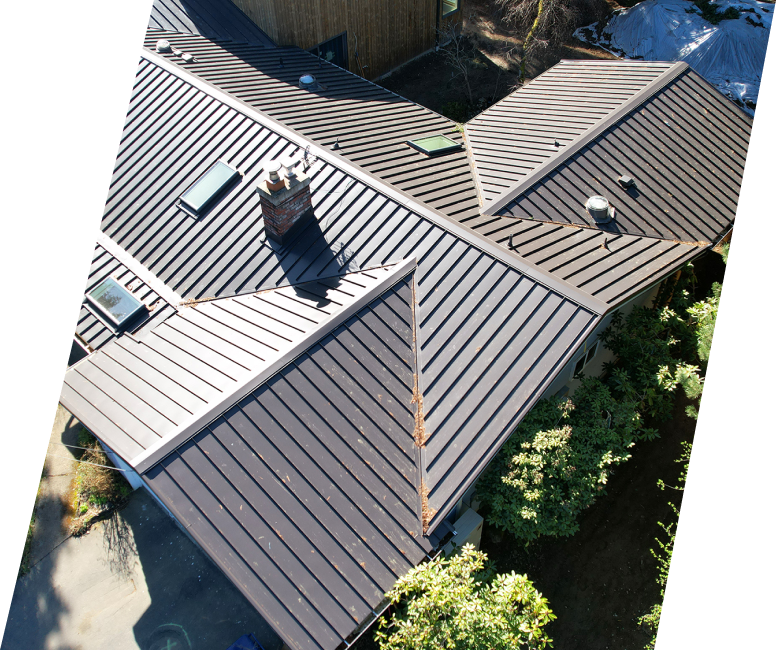
Metal roofing handles minor damage differently than shingles. Small scratches that remove protective coating aren’t immediate emergencies, but rust starts quickly afterward. Once rust begins, it spreads across and through the metal.
Loose fasteners or separated seams need immediate attention because water intrusion through these gaps damages the roof deck and structure underneath.
Tile and slate roofs last decades but crack from impact or freeze-thaw cycles. Cracked tiles let water underneath where it can damage the waterproofing layers and deck. Unlike asphalt shingles that are relatively quick to replace, tile and slate repairs require specialty skills and matching materials that might need ordering.
For property owners curious about which roofing materials work best in this climate, understanding maintenance requirements helps with long-term planning.
The Inspection Process
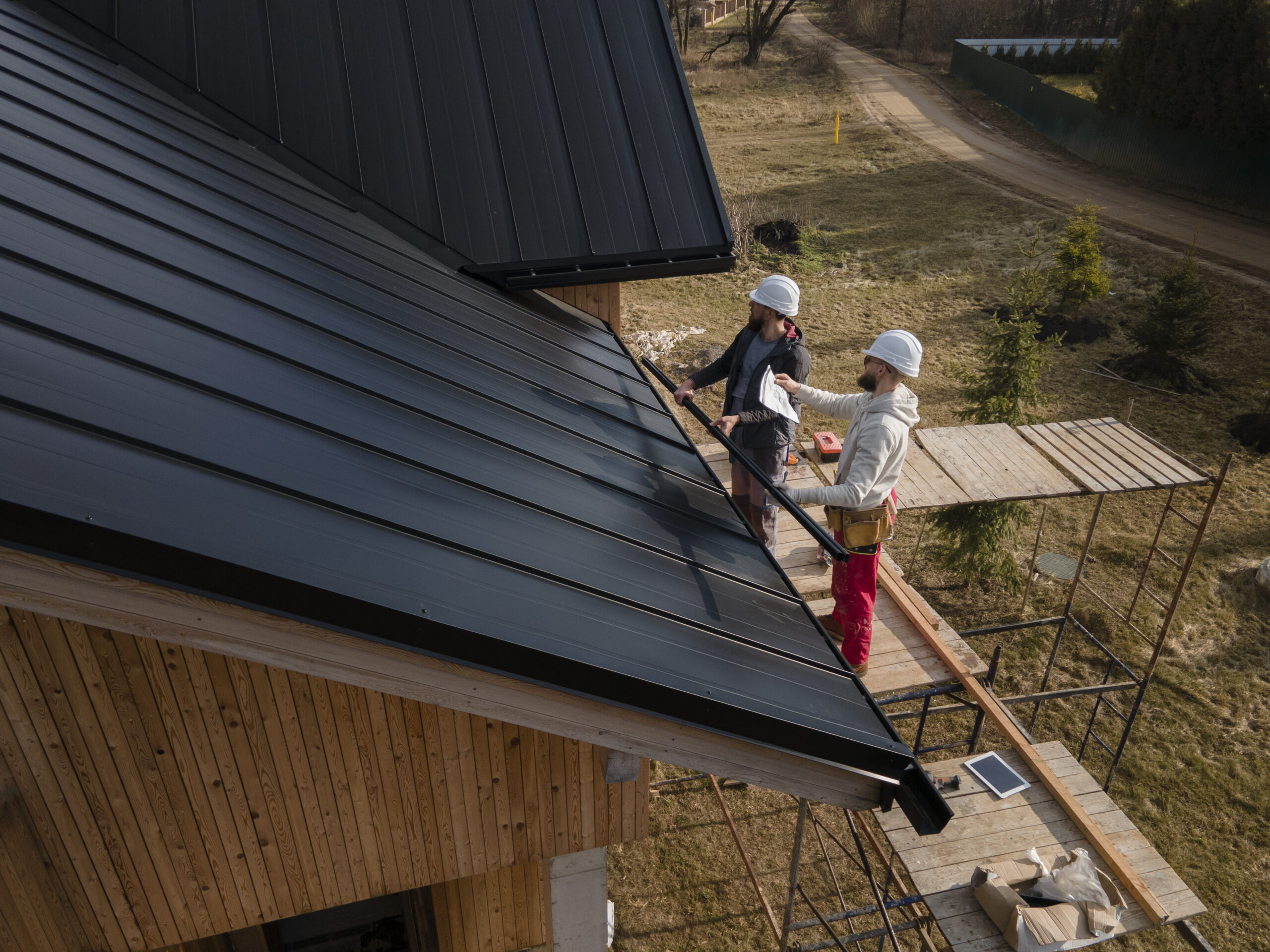
Professional inspection reveals problems you can’t see from the ground or don’t know to look for. Contractors trained in roofing systems spot subtle signs of damage that homeowners miss.
A thorough inspection starts with the exterior, checking shingles or other roofing material for damage, wear, or missing pieces. Inspectors look at flashing around chimneys, vents, and valleys where most leaks start. They check the condition of gutters and downspouts, ensuring proper drainage away from the structure.
Inside your attic, inspectors look for water stains, active leaks, damaged insulation, and proper ventilation. Problems with insufficient ventilation create moisture buildup that damages your roof from the inside, even without leaks from outside.
Infrared technology helps locate hidden moisture that isn’t visible to the naked eye. Wet insulation and decking show up as different temperatures on thermal cameras, revealing problems before they cause obvious interior damage.
When DIY Makes Things Worse
The internet is full of tutorials for fixing roof problems yourself. While some maintenance tasks are safe for homeowners, certain repairs should always go to professionals. Knowing the difference prevents making problems worse through well-intentioned but improper fixes.
Temporary patches using roofing cement or tar work for emergency situations but aren’t permanent solutions. These products seal against water temporarily but don’t address underlying issues. They also make proper repairs harder later because removing old cement damages surrounding materials.
Walking on your roof without proper equipment or training causes more damage. Asphalt shingles are fragile when hot and brittle when cold. Stepping in the wrong places cracks shingles or breaks the seal between layers. Metal roofing dents under direct foot pressure. The damage you cause while attempting fixes can exceed the original problem.
Safety risks make roof work dangerous without proper equipment and training. Falls from roofs cause serious injuries and deaths every year. Steep slopes, wet surfaces, and heights require safety harnesses, proper footwear, and experience that most homeowners don’t have.
Improper repairs void warranties on roofing materials. Manufacturers require certified installers for warranty coverage. DIY fixes or repairs by non-certified contractors eliminate this protection, leaving you paying for future problems that would have been covered.
Choosing the Right Repair Approach
Not all damage requires the same response. Understanding your options helps you make informed decisions about the right fix for your specific situation.
Spot repairs work well for isolated damage affecting a small area. Replacing a few damaged shingles, resealing a section of flashing, or fixing a small leak keeps costs reasonable while solving the immediate problem. This approach makes sense when the rest of your roof is in good condition.
Section replacement becomes necessary when damage affects a larger area or when spot repairs would be ineffective. Replacing an entire slope or section ensures consistent materials and proper installation. This costs more than spot repairs but less than full replacement.
Complete replacement is the right choice when your roof has reached the end of its lifespan or when widespread damage makes repairs impractical. Age plays a role here. If your roof is already 15 to 20 years old and needs significant repairs, replacement often makes more financial sense.
Following a regular maintenance checklist prevents many problems from developing in the first place, reducing the need for emergency repairs.
Working With Local Contractors
Choosing the right contractor makes the difference between repairs that last and those that fail quickly. Local experience matters more than most people realize.
Pacific Northwest weather creates specific challenges that contractors familiar with the area understand. Companies like Roofing Formula LLC know how Seattle’s constant moisture, temperature fluctuations, and occasional snow affect different roofing materials. They anticipate problems and use installation methods proven to work in this climate.
Licensing and insurance protect you from liability if workers are injured on your property and ensure the work meets local building codes. Always verify current licenses and insurance certificates before hiring anyone to work on your roof.
Written estimates should detail the work scope, materials to be used, timeline, and total cost. Verbal estimates lead to misunderstandings and disputes. Get multiple estimates to compare pricing and approaches, but remember the cheapest option isn’t always the best value.
Warranties matter for both materials and workmanship. Material warranties come from manufacturers and typically require certified installers. Workmanship warranties from contractors cover installation problems. Understand what’s covered and for how long before work begins.
The Timeline That Matters
Speed matters when dealing with damage, but rushing into poor repairs causes problems too. Understanding realistic timelines helps you balance urgency with quality.
Immediate temporary fixes should happen within days of discovering damage. Tarps, emergency patches, or other temporary measures minimize ongoing damage while you arrange permanent solutions. These aren’t substitutes for proper work but protect your home until real fixes happen.
Permanent repairs should be scheduled within weeks, not months. The longer you wait, the more damage spreads and the more expensive fixes become. Weather windows matter in the Pacific Northwest. Dry periods allow proper installation that wet conditions don’t.
Insurance claims add time to the process but shouldn’t delay temporary protection. File claims quickly, document everything thoroughly, and get temporary fixes done while waiting for adjusters and approvals.
Conclusion
Small delays in addressing roof repair needs create cascading problems that multiply costs and damage. That missing shingle or small leak doesn’t stay small, it grows exponentially as water penetrates deeper into your home’s structure with every rain.
Understanding this progression motivates homeowners to act quickly, protecting their investment and avoiding the stress and expense of major structural repairs.
The roof over your head deserves immediate attention when problems appear, because waiting turns affordable fixes into budget-breaking disasters. Don’t let procrastination cost you thousands in preventable damage, schedule that needed roof repair today.
Frequently Asked Questions (FAQs)
1. How Quickly Does Roof Damage Get Worse?
Roof damage progression depends on the type and severity of the initial problem, but water intrusion typically causes noticeable additional damage within weeks to months. A single missing shingle might not show interior problems for several weeks if weather stays dry.
However, during rainy seasons, water can penetrate underlayment and decking within days. Each rain event compounds the damage, spreading moisture further into structural components.
Minor cracks expand through freeze-thaw cycles in just one winter season. The key takeaway is that any damage continues worsening with every exposure to weather until properly fixed.
2. Can I Wait Until Spring to Fix Winter Damage?
Waiting months to address known damage allows problems to multiply significantly and may void insurance coverage for resulting issues. Insurance companies expect homeowners to take reasonable steps to prevent further damage once they’re aware of problems. Temporary measures like tarps provide some protection, but they’re not substitutes for proper fixes.
Water that enters through damaged areas during winter spreads through insulation and framing, causing rot and mold that cost far more to remediate than the original problem would have cost to fix. Schedule permanent work as soon as weather permits, but implement temporary protection immediately.
3. How Much More Does Delayed Repair Cost Compared to Immediate Action?
Repair costs typically increase by 300 to 500 percent when homeowners delay addressing known problems for six months or more. A 300 dollar shingle replacement can easily become a 1,500 dollar project requiring new decking once water damage spreads.
Major delays often result in interior damage requiring drywall replacement, paint, and potential mold remediation, adding thousands more to the bill.
Beyond direct costs, higher energy bills from damaged insulation and potential insurance claim denials for neglect-related damage compound the financial impact. Acting within weeks of discovering damage keeps costs manageable and prevents exponential increases.
4. What Are the Signs That Small Damage Has Become a Bigger Problem?
Interior water stains, musty odors, visible mold growth, sagging ceiling areas, and increased energy bills all indicate that minor roof damage has progressed to affect your home’s interior. Check your attic for wet or compressed insulation, water stains on rafters or decking, and daylight visible through the roof structure.
Outside, look for multiple missing or damaged shingles in areas surrounding the original damage, indicating that deterioration has spread. Soft spots when walking on the roof suggest decking damage underneath. If you notice any of these signs, schedule a professional inspection immediately to assess the full extent of damage.
5. Will Insurance Cover Damage That I Waited Months to Fix?
Insurance coverage for delayed claims depends on your specific policy and circumstances, but most companies deny claims when damage results from neglect or lack of maintenance. If you discovered damage from a storm but waited six months before filing a claim, the insurer might argue that additional damage occurred because you failed to protect the property.
They typically cover the initial storm damage but not the secondary problems that developed because you didn’t act promptly. Document all damage immediately when discovered, file claims quickly, and implement temporary protection while arranging permanent fixes to maintain coverage.