Strategic residential roof replacement material selection matched to your specific climate prevents premature failures, maximizes material lifespan, and optimizes performance throughout decades of weather exposure.
Many homeowners select roofing based primarily on cost or aesthetics, overlooking how climate-specific performance characteristics affect satisfaction and long-term value. Different roofing materials perform optimally in different climates, with choices appropriate for coastal regions failing rapidly in extreme cold or vice versa.
Understanding climate impacts on residential roof replacement material performance helps prioritize characteristics needed in your location. Professional contractors experienced with your regional climate guide material selection ensuring choices support maximum lifespan in local conditions.
Cold Climate Considerations
Residential roof replacement material selection for cold climates requires consideration of freeze-thaw cycling, heavy snow loads, and ice dam formation. Flexible materials withstanding temperature extremes perform better than brittle materials becoming inflexible in extreme cold.
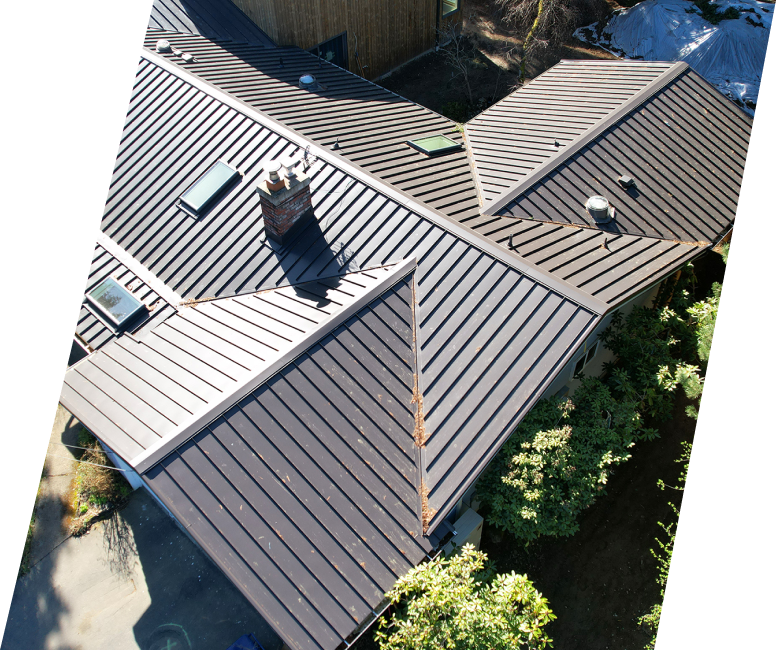
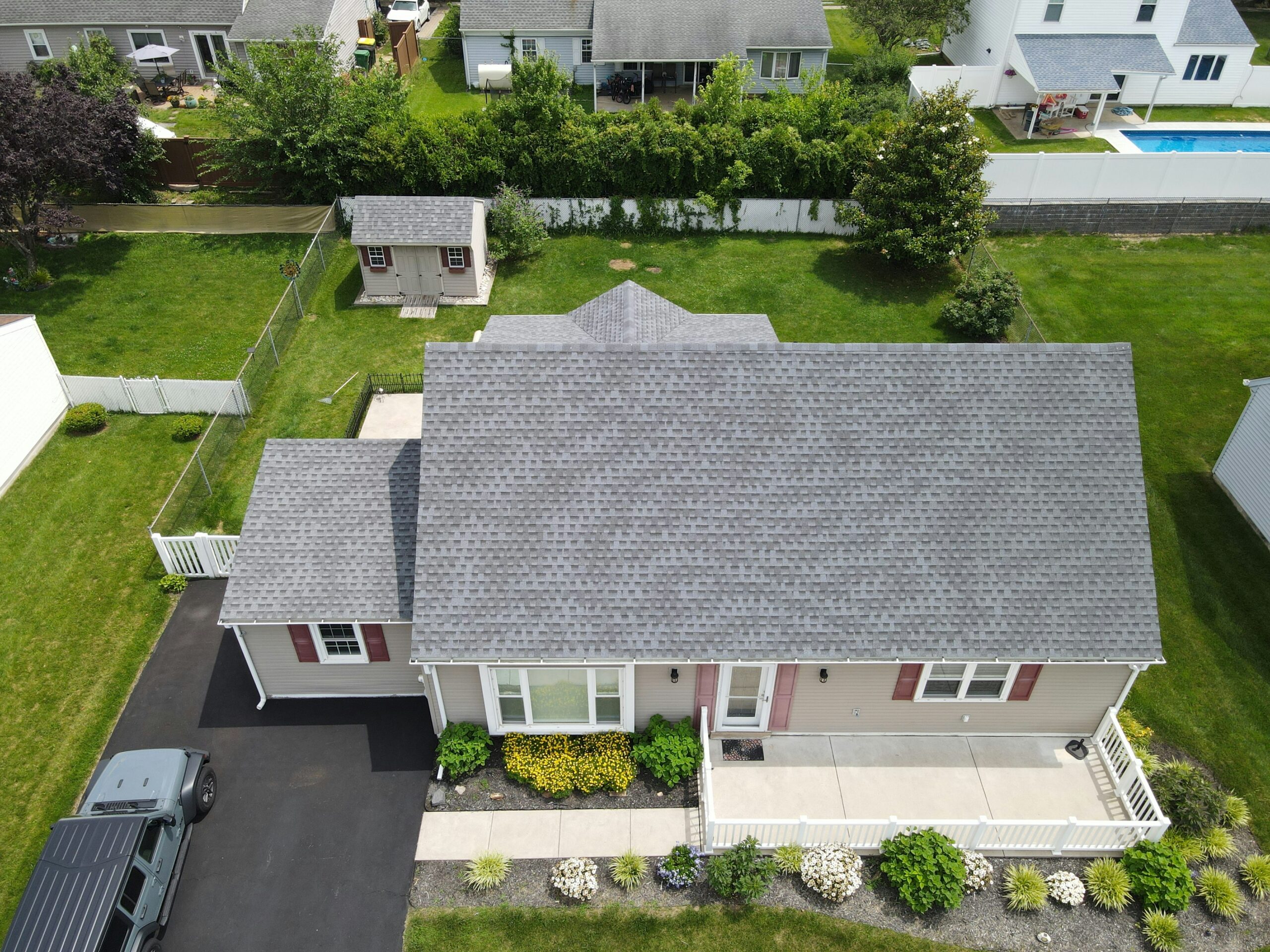
Asphalt shingles become brittle in extreme cold but perform adequately in moderate climates. Metal roofing remains flexible through temperature ranges, making it excellent for cold climates. EPDM rubber similarly resists cold brittleness.
Snow load capacity matters in snowy climates. Steeper pitch roofs shed snow more easily. Materials must be durable enough to support heavy snow before sliding. Metals and quality shingles handle snow loads well. Built-up roofing might become too soft under summer heat if overly reinforced for winter.
Ice dam prevention requires proper insulation and ventilation preventing roof heat melting snow creating dams. Material selection alone doesn’t prevent ice dams, but proper ventilation under any material prevents the problems. This residential roof replacement consideration affects both material selection and attic preparation.
Hot Climate Considerations
Residential roof replacement material selection for hot climates prioritizes heat reflection and UV resistance. Dark materials absorb solar heat accelerating material deterioration and cooling costs. Light-colored reflective roofing reduces cooling costs significantly. Cool roofing technology with reflective coatings helps manage heat gain.
UV resistance matters critically in sunny climates. Materials lacking adequate UV protection deteriorate rapidly from sun exposure. Quality asphalt shingles include UV-blocking granules. Metal roofing with protective coatings resists UV degradation. Rubber roofing’s inherent UV resistance makes it excellent for sun-intense climates.
Energy efficiency becomes major consideration in hot climates where cooling costs dominate utility budgets. Cool roofing material selection can reduce cooling costs 20-30%. This residential roof replacement benefit justifies material cost premiums through energy savings.
Coastal Climate Considerations
Residential roof replacement material selection for coastal areas must address salt spray corrosion accelerating material failure. Metal roofing requires marine-grade coatings preventing salt corrosion.
Standard coatings fail rapidly under salt exposure. Aluminum naturally resists saltwater corrosion better than steel. EPDM rubber shows good salt resistance. Asphalt shingles deteriorate in salt-laden air faster than inland.
Wind resistance matters in coastal storm areas. Proper fastening and mechanical attachment becomes critical. Wind-resistant materials and proper installation prevent lifting and failure under extreme winds. Material selection should prioritize wind performance over aesthetics in hurricane-prone areas.
Humid Climate Considerations
Residential roof replacement material selection for humid climates requires mold, moss, and algae resistance. Shingles with biocide additives resist growth better. Copper and zinc naturally resist biological growth through oxidation.
Rubber and asphalt without additives support growth more readily. Material selection for humid climates should include growth resistance characteristics.
Proper ventilation becomes more critical in humid climates preventing moisture accumulation in attic spaces. Moisture-resistant materials help, but ventilation is fundamental. Residential roof replacement in humid climates should emphasize ventilation adequacy alongside material selection.
Desert and Arid Climate Considerations
Residential roof replacement material selection for desert climates emphasizes extreme temperature variation. Materials withstanding 100-degree daytime swings and 50-degree drops at night without cracking are essential.
Metal roofing handles temperature extremes well. Quality asphalt shingles with flexibility resist cracking. Built-up roofing sometimes becomes too soft in extreme desert heat.
Dust and sandstorms occasionally affect roof finishes. Protective coatings standing up to abrasive conditions help. Light colors help manage heat in desert heat.
Mixed or Variable Climate Considerations
Residential roof replacement material selection for mixed climates requires balance accommodating multiple weather challenges. Asphalt shingles provide good compromise performance in most climates.
Metal roofing excels in almost all climates when properly installed. Premium materials matching your specific climate prove worthwhile for properties with multiple weather challenges.
Material-Specific Climate Performance
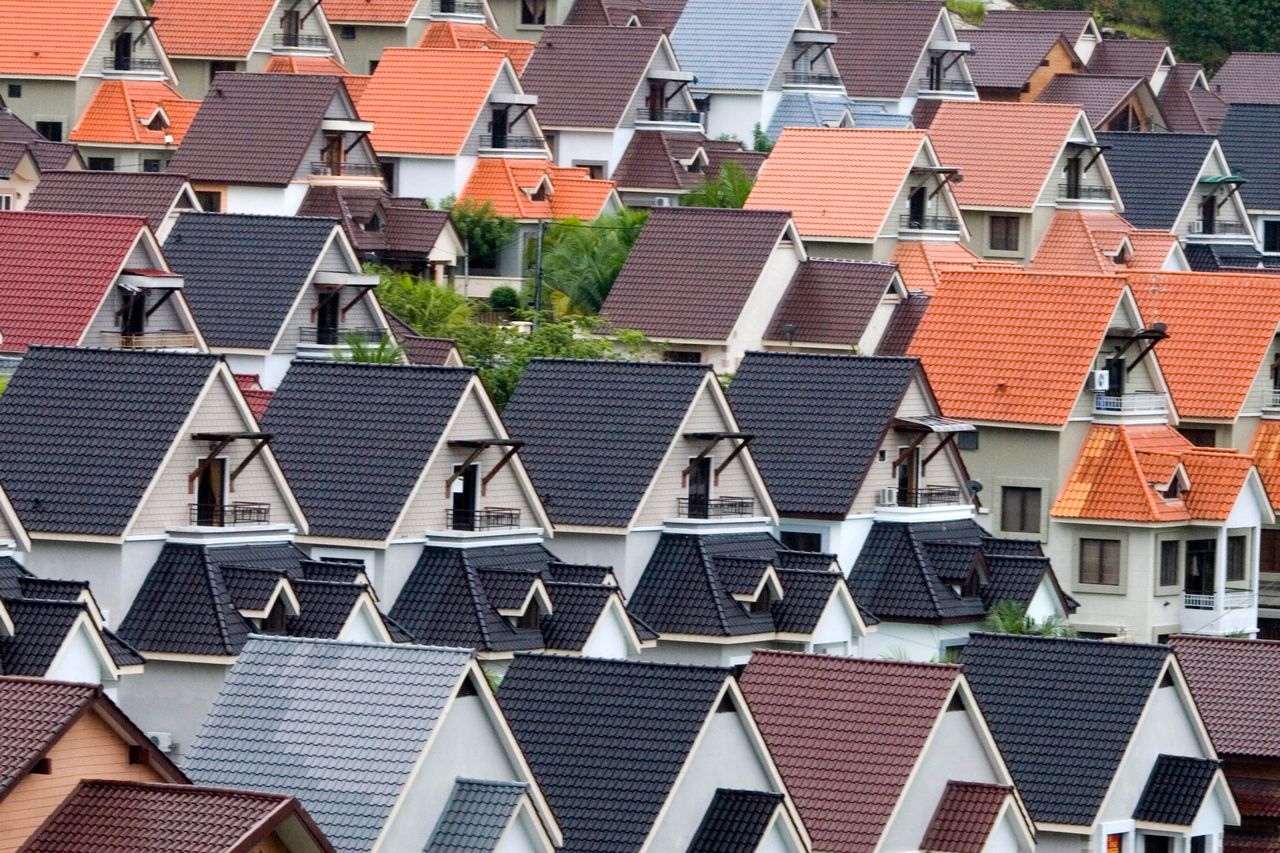
Different materials have known performance profiles in various climates. Asphalt shingles perform well in moderate climates but struggle in extreme conditions. Metal roofing excels nearly universally.
Tile suits warm climates. Wood shake performs poorly in wet climates. EPDM rubber performs well across most climates. Understanding material-specific strengths guides selection matching your climate.
Long-Term Value Versus Initial Cost
Residential roof replacement material selection often shows trade-offs between upfront cost and long-term value. Expensive materials lasting longer in your climate provide better value than cheap materials failing prematurely.
Calculate cost per year of roof life comparing options. Materials optimized for your climate often deliver best long-term value despite higher upfront costs.
Frequently Asked Questions (FAQs)
1. What’s the Best Residential Roof Replacement Material for My Climate?
This depends on your specific location and priorities. Consult contractors experienced in your area about material performance. They understand which materials succeed and fail in your climate. Ask what they recommend for their own properties—this reveals genuine preference.
2. Does Cool Roofing Actually Save Money in Cold Climates?
In cold climates, cool roofing doesn’t provide same savings as hot climates because heating costs dominate. Dark roofing absorbing solar heat might provide winter savings. Consult local contractors about cost-benefit in your specific region.
3. Should I Upgrade to Premium Materials for Residential Roof Replacement?
Premium materials often justify costs in climates where standard materials fail prematurely. In moderate climates, standard quality materials perform adequately. Evaluate material recommendations from contractors experienced with your climate before making decisions.
4. How Does Climate Affect Roof Lifespan in Residential Roof Replacement?
Climate significantly impacts lifespan. Same material lasts 40 years in ideal climates but 15 years in harsh conditions. Material selection should account for your climate’s challenges. Ask contractors about expected lifespan in your location.
5. Are Local Residential Roof Replacement Recommendations Always the Best Choice?
Generally yes. Contractors with decades of experience in your region understand what works. However, verify recommendations align with your priorities and budget. Ask multiple contractors confirming recommendations align before committing to material selection.