Metal roofing myths persist despite decades of proven performance in residential and commercial applications, leaving many homeowners dismissing metal roofing as an option before understanding its actual benefits and limitations.
Common misconceptions about metal roofing range from false beliefs about noise levels during rain to exaggerated concerns about lightning strikes, cost, and aesthetic limitations. These myths often prevent property owners from selecting a roofing system that could save them thousands in long-term maintenance and energy costs.
Understanding the reality behind metal roofing helps you make informed decisions about protecting your home. Breaking down the most persistent myths reveals why metal roofing has become increasingly popular among homeowners seeking durability and performance.
Myth 1: Metal Roofing Is Excessively Expensive
One of the most widespread metal roofing myths centers on initial cost, with many homeowners assuming metal roofing automatically costs significantly more than traditional asphalt shingles.
While metal roofing does carry a higher upfront price than basic asphalt shingles, the total cost picture differs dramatically when you factor in lifespan and maintenance. A metal roof typically lasts 40 to 70 years or more, while asphalt shingles last 15 to 25 years.
Over a 50-year period, the cost per year of metal roofing becomes competitive or actually lower than replacing asphalt shingles multiple times. Additionally, metal roofing qualifies for various energy efficiency rebates and tax incentives in many regions, reducing net cost.
Insurance companies often offer premium discounts for metal roofs due to superior fire resistance and durability, providing ongoing savings that offset higher initial investment.
Myth 2: Metal Roofs Are Incredibly Loud When It Rains
The image of deafening rain noise on metal roofing has become so embedded in popular culture that many homeowners reject metal roofing based on this single concern alone. The reality differs substantially from this persistent myth. Modern metal roofing installations include solid decking and insulation layers that absorb and dampen sound effectively.
Homeowners with properly installed metal roofs report hearing little to no difference in rain noise compared to other roofing materials. In fact, many describe the sound as quiet or barely noticeable.
The myth likely originated from older metal structures with exposed metal sheeting and minimal insulation, which would indeed transmit more noise. Contemporary metal roofing systems engineered for residential use address this concern completely through proper installation methods and sound-dampening construction.
Myth 3: Metal Roofs Attract Lightning Strikes
This widespread metal roofing myth causes genuine concern among homeowners in lightning-prone regions, yet the reality contradicts this fear entirely. Metal roofing does not attract lightning more than any other roofing material. Lightning seeks the path of least resistance to the ground, and multiple materials conduct electricity similarly.
More importantly, a metal roof actually provides superior protection if lightning does strike because metal safely conducts electricity to ground rather than creating dangerous internal paths. Asphalt shingles offer no protection whatsoever—they may catch fire if struck.
Building codes recognize this advantage, which is why metal roofing qualifies for insurance discounts in areas with frequent lightning activity. The best lightning protection involves proper grounding and surge protection systems, which work identically regardless of roofing material.
Myth 4: Metal Roofing Limits Aesthetic Options
Many homeowners believe metal roofing restricts them to an industrial or agricultural appearance, assuming the only option involves exposed corrugated panels resembling barn roofing. This myth about metal roofing aesthetics couldn’t be further from reality.
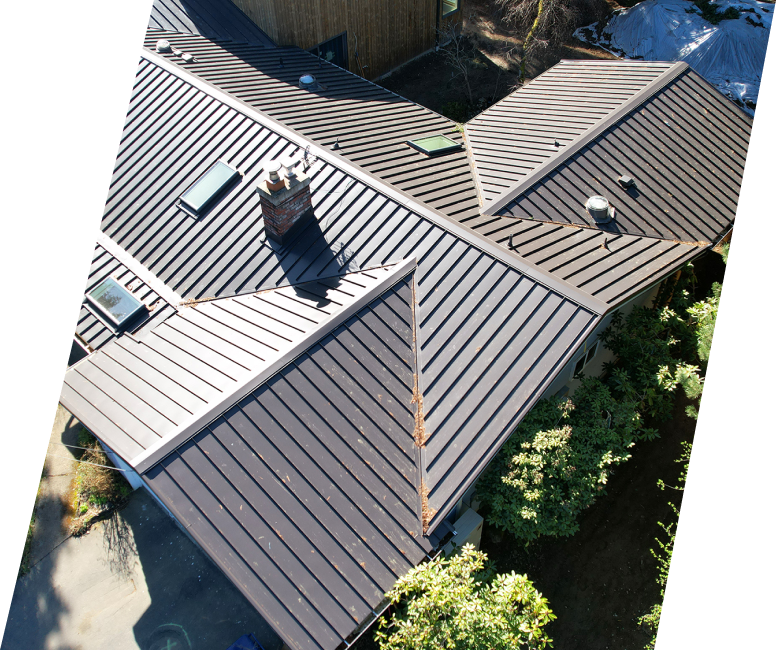
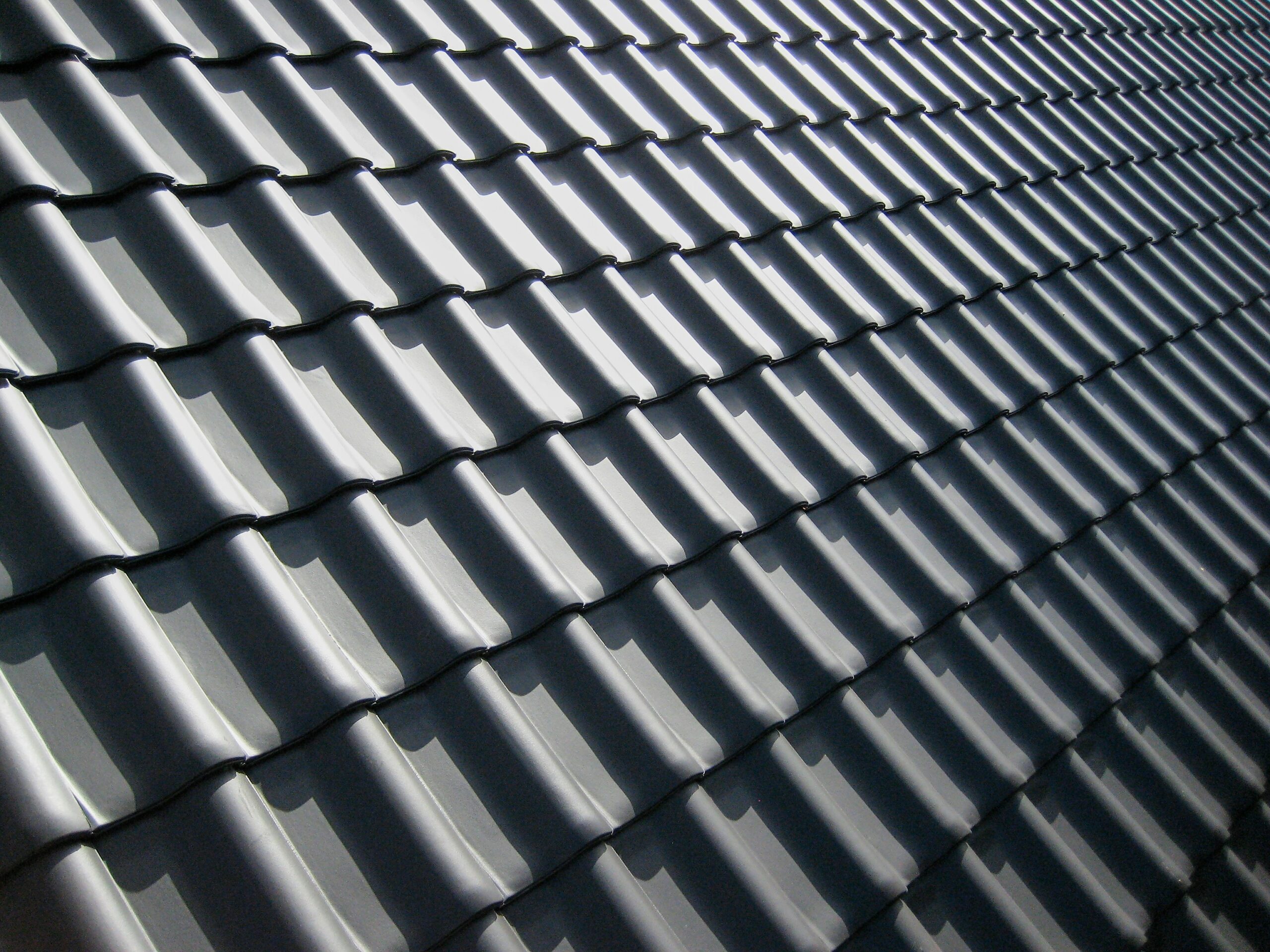
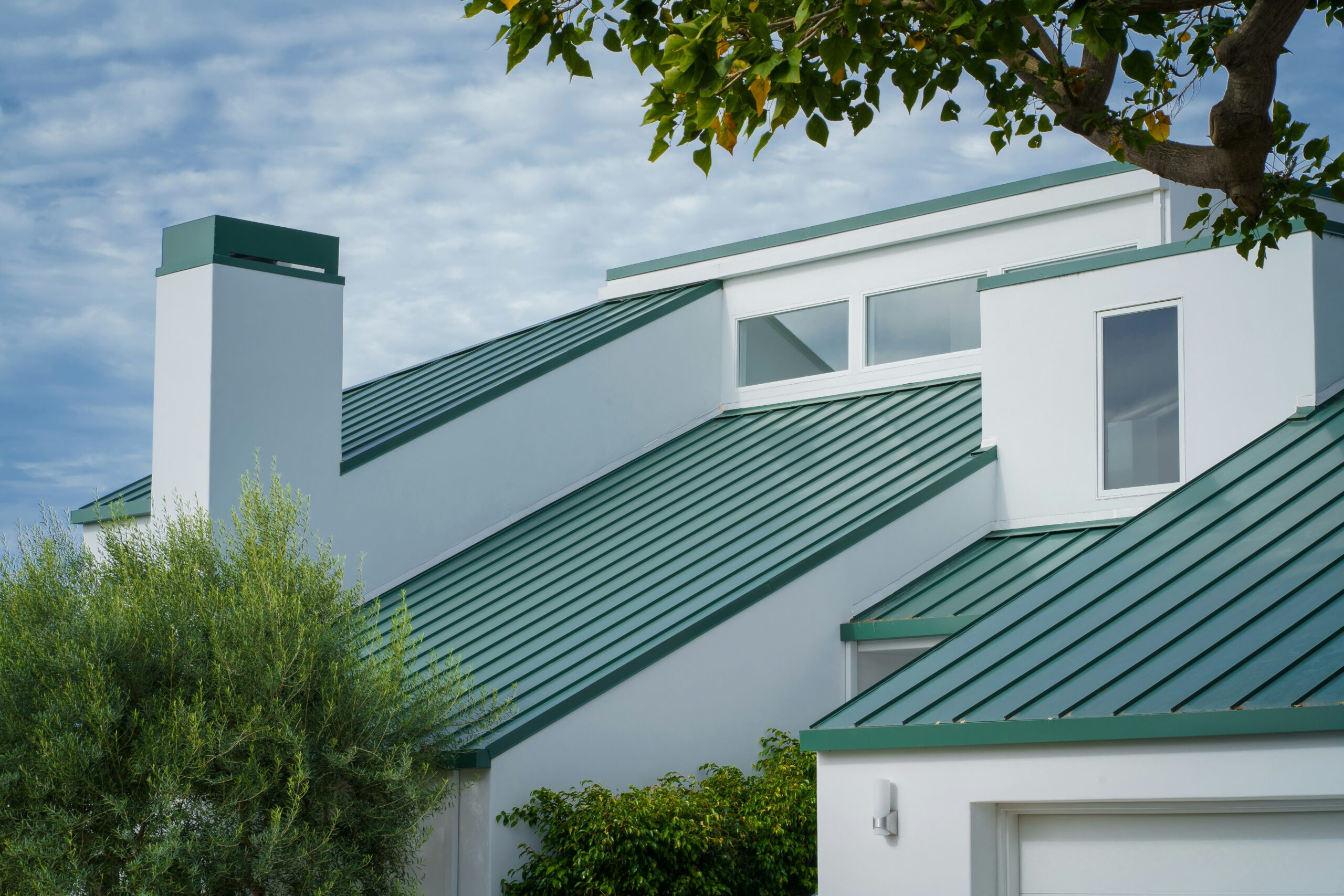
Modern metal roofing comes in numerous profiles that mimic traditional shingles, standing seams, tiles, and even wood shake appearances. You can choose from dozens of colors ranging from traditional blacks and grays to vibrant hues and natural metal finishes.
Stone-coated steel options provide the appearance of slate or tile roofing while delivering metal’s superior durability. Architectural metal roofing systems combine aesthetic appeal with performance, available in finishes matching virtually any home style from contemporary to historic.
Material choices include aluminum, copper, zinc, and steel, each offering distinct visual characteristics and aging properties. Metal roofing has evolved far beyond industrial appearances.
Myth 5: Metal Roofs Require Constant Maintenance
Another persistent metal roofing myth suggests the material requires extensive ongoing maintenance to remain functional and attractive. The reality proves the opposite—metal roofing actually demands minimal maintenance compared to virtually all alternatives.
Regular roof cleaning to remove debris and moss keeps metal roofing looking new and extends its lifespan further.
Most metal roofs need inspection every few years and occasional touch-ups to sealants around penetrations, but these requirements pale compared to asphalt shingles requiring regular repairs, loose shingle replacement, and more frequent complete replacement.
Copper and zinc naturally develop protective patinas that some homeowners find attractive while others prefer avoiding this aging process through standard finishes.
Unlike wood or composite shingles prone to rot, mold, and pest damage, metal roofing resists deterioration from moisture and biological growth. The low-maintenance reputation of metal roofing reflects genuine advantages over competing materials.
Myth 6: Metal Roofing Cannot Withstand Hail Damage
The assumption that hail damages metal roofing severely ranks among the most damaging myths about metal roofing performance, yet testing and real-world performance contradict this belief. Metal roofing, particularly impact-resistant ratings available through stone-coated steel and similar products, withstands hail much better than asphalt shingles.
While hail can dent softer metals like aluminum, this cosmetic damage does not compromise weatherproofing or functionality. Asphalt shingles crack and lose granules from the same hail, creating genuine leaks and shortened lifespan.
Modern metal roofing products engineered for hail-prone regions include protective coatings and reinforced construction specifically designed to minimize visible denting.
Insurance studies consistently show metal roofing experiences fewer weather-related claims than asphalt alternatives. Hail resistance represents an actual advantage for metal roofing in regions prone to severe weather.
Myth 7: Metal Roofing Causes Rust and Corrosion Issues
Perhaps no metal roofing myth causes more concern than the belief that metal inevitably rusts and corrodes, requiring constant replacement. This myth ignores the reality that modern metal roofing materials resist rust and corrosion through multiple protective mechanisms.
Quality metal roofing uses galvanized or galvalume coatings creating barriers preventing rust formation, with additional paint and protective finishes providing multiple layers of corrosion protection. Copper and zinc naturally develop protective patinas preventing deeper corrosion.
Steel roofing with proper coatings resists rust indefinitely in normal climates. Aluminum, naturally resistant to oxidation, requires minimal protection. In coastal areas with salt spray exposure, specialized coatings handle the challenging environment effectively.
When metal roofing fails prematurely due to rust, the cause typically involves improper installation, cheaper materials with inadequate coatings, or extreme neglect rather than inherent material weakness. Understanding metal roofing myths versus material realities reveals rust concerns reflect outdated understanding rather than genuine limitations.
Myth 8: You Cannot Walk on Metal Roofs Safely
Another metal roofing myth suggests walking on metal roofs risks dangerous slipping and personal injury, making repairs and maintenance impossible. The reality involves proper techniques and appropriate footwear making metal roofs perfectly safe to walk on for inspection and maintenance.
Standing seam and similar metal roofing profiles provide excellent traction, particularly when wearing appropriate shoes with good grip. Professional roofers routinely walk metal roofs using standard safety equipment identical to other roofing types.
Slipping risks primarily arise from wet conditions or wearing inappropriate footwear, hazards equally applicable to asphalt shingles. Metal roofing does not require special equipment or present unique hazards beyond normal roof work.
This myth appears to confuse metal roofing with smooth metal surfaces like aluminum flashing, which indeed can be slippery under certain conditions. Properly installed metal roofing systems prove no more hazardous than any other roofing material.
Why These Myths Persist
Metal roofing myths persist partly because the technology and materials have evolved significantly over the past two decades, yet public perception lags behind technological advancement.
Early metal roofing products, agricultural applications using exposed corrugated steel, and exposed metal structures genuinely had limitations now largely eliminated through improvements in coatings, installation techniques, and product engineering.
Additionally, residential metal roofing remains less common than asphalt shingles, so fewer homeowners have direct experience and must rely on secondhand information often containing outdated perspectives. Marketing by traditional roofing companies may perpetuate certain myths to protect market share against superior alternatives.
Confirmation bias causes people to notice and remember anecdotes supporting preexisting beliefs while dismissing contradicting evidence. Understanding that metal roofing myths reflect outdated information rather than current reality helps homeowners evaluate all available options objectively when planning roof replacements.
Consulting with experienced contractors familiar with metal roofing installations ensures accurate information guiding your decision. Roofing Formula LLC helps homeowners understand the reality behind metal roofing myths and the genuine advantages modern metal roofing delivers.
Frequently Asked Questions (FAQs)
1. Does Metal Roofing Really Last 50 Years?
Metal roofing typically lasts 40 to 70 years depending on material type, climate, and maintenance. Premium products in favorable climates exceed 70 years. Asphalt shingles last 15 to 25 years by comparison. This longevity advantage makes metal roofing cost-competitive despite higher upfront expenses.
2. Will a Metal Roof Increase My Home’s Resale Value?
Metal roofing typically increases property value because buyers recognize the durability and long-term savings. The premium varies by market and buyer preferences, but energy efficiency improvements and extended lifespan create genuine appeal to informed purchasers.
3. Can Metal Roofing Be Installed Over Existing Shingles?
In most cases, metal roofing can be installed over existing asphalt shingles, eliminating expensive tear-off costs. Some jurisdictions require removal if the existing roof has excessive layers. A professional inspection determines feasibility for your specific situation.
4. Which Metal Roofing Material Works Best for My Climate?
Selection depends on your specific climate. Copper and zinc excel in humid coastal areas. Steel with appropriate coatings handles temperature extremes. Aluminum resists salt spray. Professional contractors assess your climate to recommend optimal materials balancing cost and performance.
5. How Much Maintenance Does a Metal Roof Actually Require?
Metal roofs require periodic cleaning to remove debris and inspection every few years. Sealants around penetrations occasionally need touch-ups. This minimal maintenance makes metal roofing far less demanding than asphalt shingles, wood shakes, or tile alternatives requiring frequent repairs.