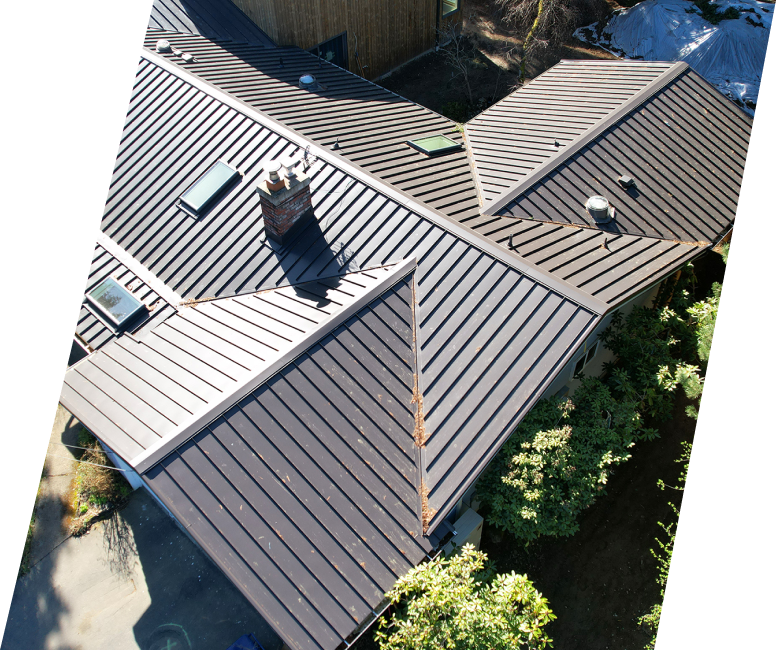
Understanding why corrugated metal roofings perform so well in extreme weather requires looking beyond surface appearance to the engineering principles that make these distinctive ridged panels incredibly resilient.
While many homeowners choose this roofing style for aesthetics or cost, the real story lies in how those signature waves and ridges create structural advantages that help roofs survive conditions that destroy other materials.
From Pacific Northwest storms to areas with heavy snow, high winds, or intense sun exposure, the corrugated design addresses weather challenges through smart engineering rather than just material thickness.
The Structural Engineering Behind the Ridges
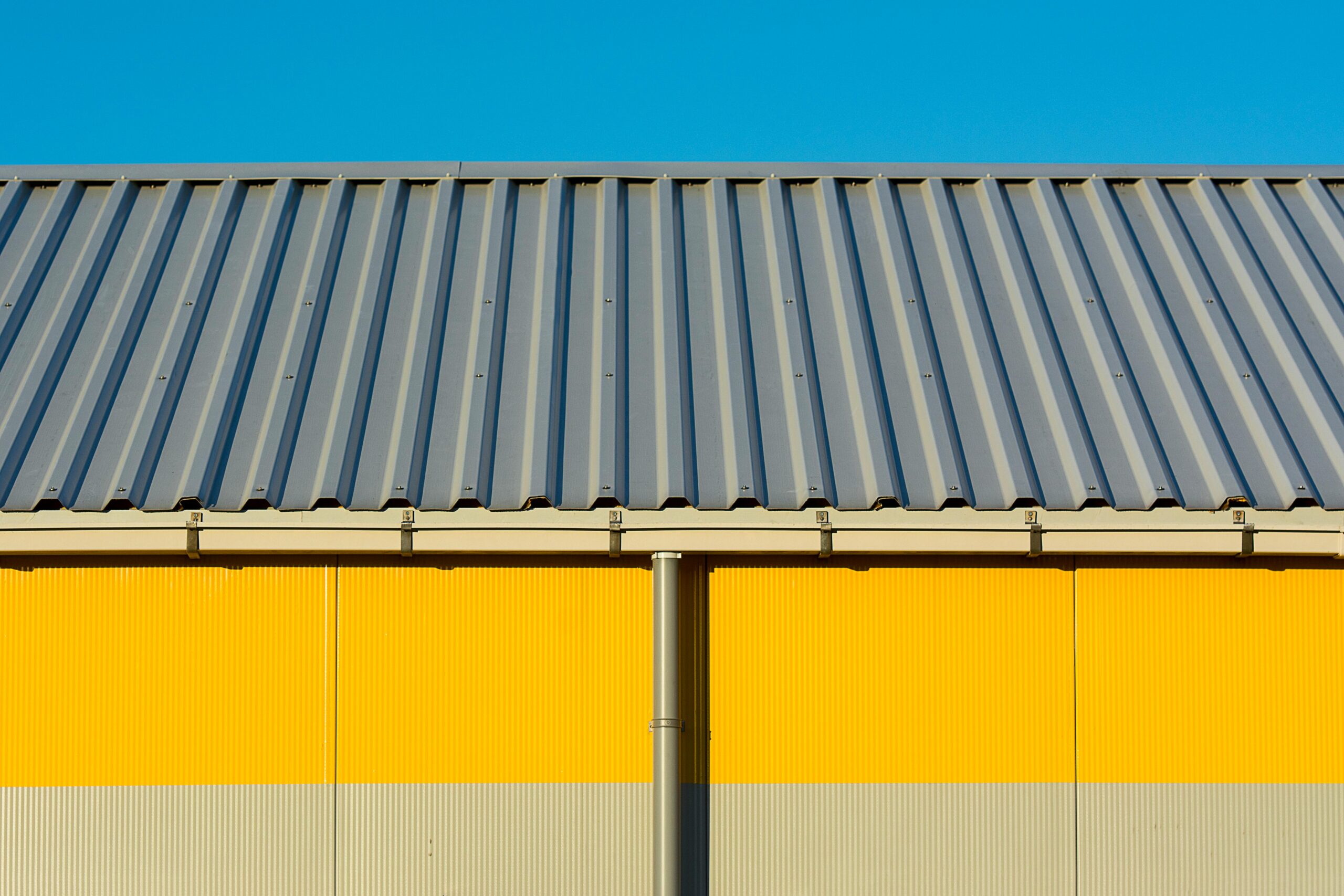
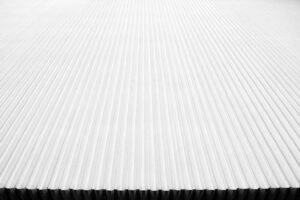
Those waves running vertically along corrugated panels aren’t decorative choices but calculated engineering that transforms flat metal into something far stronger.
Ridge geometry creates strength through shape rather than weight. When you corrugate flat metal by forming repeating waves, you increase its structural capacity dramatically without adding material.
The same gauge steel that would bend easily when flat becomes remarkably rigid when corrugated. This principle, similar to how folding paper makes it stronger, allows thin metal to span long distances without support.
Load distribution across peaks and valleys means weight gets transferred along the panel length rather than concentrating in one spot. Snow accumulation, a person walking on the roof, or debris impact spreads force across multiple ridges. This distribution prevents localized failure points that plague flat panels.
Resistance to bending and flexing comes from the alternating high and low points creating what engineers call moment of inertia. The corrugations essentially create built-in reinforcement running the panel’s entire length. Try bending a flat piece of metal versus a corrugated piece of the same thickness and you’ll immediately feel the difference.
Spanning capabilities without additional support mean corrugated panels can bridge longer distances between purlins or rafters than flat panels. This reduces structural requirements underneath, potentially lowering overall installation costs while maintaining strength.
How the Design Handles Heavy Rain and Water
Water management is where corrugated design shows particular brilliance, addressing challenges that cause other roofing materials to fail.
Channel formation along valleys creates dedicated water pathways. Rain hitting the roof naturally flows into the valleys between ridges, forming controlled streams rather than sheet flow. These channels direct water toward gutters and drains efficiently without spreading across the entire surface.
Fast drainage due to vertical installation and gravity means water doesn’t sit on corrugated roofs. When panels run from ridge to eave without horizontal seams interrupting flow, water moves quickly off the roof. This speed prevents the pooling and slow drainage that accelerate material deterioration.
Reduced surface contact between water and metal compared to flat panels means less total area stays wet. Water in the valleys touches only a portion of the metal surface while peaks remain relatively dry. This limits corrosion potential and extends material life.
Self-cleaning properties from steep valley angles help debris move off the roof with water flow. Leaves, pine needles, and dirt tend to wash away rather than accumulating in flat areas. This natural cleaning reduces maintenance needs and prevents organic material from holding moisture against the metal.
Wind Resistance Through Aerodynamic Design
The corrugated profile creates aerodynamic advantages that help panels resist wind forces attempting to lift or damage them.
Wind deflection over ridges rather than catching underneath reduces uplift forces. When wind hits corrugations, air flows over the ridges and through the valleys in ways that don’t create the suction force that lifts flat panels. The irregular surface disrupts wind patterns that would otherwise pull panels up.
Reduced surface area for wind to grab compared to flat panels of the same coverage means less total force acting on the roof. The peaks present to wind but the recessed valleys don’t catch wind directly. This effective reduction in wind-catching surface improves performance in high-wind events.
Multiple fastening points along panel width provide more secure attachment than flat panels. Corrugated panels typically fasten through every other ridge or valley, creating numerous anchor points rather than just edge fastening. This distributed attachment resists pull-off forces better.
Interlocking capabilities between adjacent panels when properly installed create continuous attachment. Side-by-side panels overlap at ridges or valleys, and proper fastening essentially ties multiple panels together into a unified system that resists wind as a group rather than individual pieces.
Snow Load Distribution and Shedding
Winter weather presents unique challenges that corrugated design addresses through both strength and geometry.
Structural capacity to support snow weight comes from the corrugations’ inherent strength. The same load distribution that handles foot traffic supports heavy snow accumulation without panel deformation. Properly installed corrugated metal handles snow loads that would stress or break other materials.
Natural shedding as snow melts and slides happens more readily on corrugated surfaces than rough materials. The smooth metal surface combined with the sloped valleys creates paths for snow to slide off once melting begins. This self-clearing property reduces the duration of snow loading.
Preventing ice dam formation through proper attic ventilation and insulation matters with any roof type, but metal’s conductive properties mean it doesn’t create the warm spots that form ice dams as readily as asphalt shingles. When combined with good ventilation practices, corrugated metal resists ice dam problems.
Valley clearance where snow tends to accumulate benefits from the channel design. Instead of snow spreading evenly across a flat surface, it concentrates in valleys between ridges. As melting occurs, these channels provide clear pathways for meltwater to drain without running under snow layers.
Temperature Extremes and Thermal Performance
Metal roofing faces criticism for temperature sensitivity, but corrugated design actually provides advantages in handling thermal stress.
Expansion and contraction accommodation through proper fastening prevents buckling or oil canning. Corrugated panels expand and contract with temperature changes like all metal, but the wave pattern allows this movement without visible deformation.
Fasteners placed correctly in valleys rather than on peaks allow panels to move slightly without pulling fasteners or creating stress points.
Air circulation between metal and underlayment in the valleys creates a small gap that improves thermal performance. This air space provides slight insulation value and allows moisture that somehow gets underneath to evaporate rather than being trapped.
Reflective properties of metal surfaces reduce heat absorption compared to dark asphalt shingles. Light-colored corrugated roofing reflects significant solar energy, keeping buildings cooler in summer. This energy efficiency benefit comes from the material itself rather than the corrugation pattern but represents an important performance characteristic.
Thermal bridging reduction compared to flat metal occurs because the raised ridges have less direct contact with the roof deck. Less metal touching the deck means less direct heat transfer into the building during summer or out of the building during winter.
Understanding which roofing materials work best in your climate helps with informed decisions.
UV Exposure and Long-Term Durability
Ultraviolet radiation degrades many roofing materials over time, but corrugated metal’s design and composition resist this damage.
Coating protection on modern corrugated panels provides UV resistance through specialized paint systems. These coatings aren’t just color but include UV inhibitors that prevent degradation. Quality coatings last decades under continuous sun exposure without significant fading or breakdown.
Material stability of steel and aluminum under UV means the base metal doesn’t degrade from sun exposure like organic materials. Unlike asphalt shingles that become brittle or wood that deteriorates, metal maintains structural integrity indefinitely with proper coating protection.
Minimal organic material in metal roofing systems means there’s nothing for UV to break down except the coating itself. Properly maintained coatings protect indefinitely, and even if coatings eventually need renewal, the underlying metal remains sound.
Color retention varies by coating quality but modern systems maintain appearance far better than older painted metal. Kynar or PVDF coatings specifically designed for metal roofing maintain color and gloss for 30 to 40 years, making appearance as durable as function.
Installation Factors That Maximize Weather Performance
Even perfectly designed corrugated panels won’t perform optimally if installation compromises their weather-resistant properties.
Proper overlap at panel ends ensures water can’t penetrate seams. Manufacturers specify minimum overlap requirements, typically 6 to 12 inches depending on roof pitch. Skimping on overlap to save material creates leak risks that negate the design’s water management benefits.
Fastener placement in valleys rather than on peaks prevents water infiltration at attachment points. Fasteners through peaks create holes at the highest points where water runs, while valley fastening keeps holes in locations where water flows past rather than pooling.
Adequate pitch for drainage, typically minimum 3:12 but preferably steeper, ensures the valley channels actually drain rather than holding water. The corrugation design works best when panels slope enough for gravity to move water efficiently.
Underlayment protection beneath panels provides backup water protection and prevents condensation issues. While corrugated metal is the primary weather barrier, proper underlayment catches any moisture that somehow penetrates and allows it to drain without damaging the deck.
Professional installation by experienced contractors like Roofing Formula LLC ensures these critical details get executed correctly rather than just adequately.
Maintenance Needs for Long-Term Performance
Corrugated metal requires less maintenance than many roofing materials, but some attention keeps it performing optimally.
Debris removal from valleys prevents water flow obstruction and potential standing water issues. Leaves and organic matter can accumulate in valleys between ridges, especially on lower-pitch roofs. Regular cleaning, perhaps twice yearly, maintains the self-draining properties the design provides.
Fastener inspection and tightening addresses the most common maintenance need with metal roofing. Fasteners can work loose over years of thermal cycling and weather exposure. Walking the roof annually to check and tighten fasteners takes minimal time but prevents problems.
Coating touch-up on scratches or damaged areas prevents rust from starting on steel panels. Small damage to protective coatings should be addressed with compatible touch-up paint before bare metal oxidizes. This simple maintenance dramatically extends roof life.
Sealant inspection around penetrations and transitions checks for dried or failed sealants that need replacement. While the corrugated panels themselves need little attention, the points where they meet other building elements require periodic inspection and maintenance.
Following a regular maintenance checklist helps property owners stay ahead of small issues.
Comparing Performance to Other Metal Profiles
Understanding how corrugated design compares to other metal roofing profiles clarifies its specific advantages and limitations.
Standing seam systems offer cleaner aesthetics and concealed fasteners but cost significantly more than corrugated. The performance difference in extreme weather is minimal, with both providing excellent protection. The choice often comes down to budget and aesthetic preference rather than weather resistance.
R-panel and similar ribbed profiles share many benefits with traditional corrugation but use different rib patterns. These variations provide similar structural advantages and weather performance while offering different visual appearances. The principles remain largely the same regardless of exact profile shape.
Flat metal panels without corrugation lack the structural advantages and shed water less effectively. They typically require steeper pitches for adequate drainage and need heavier gauges to achieve similar strength. The corrugation design delivers better performance pound for pound.
Built-up metal roofing systems on commercial buildings sometimes use different approaches but for residential and light commercial applications, exposed fastener corrugated panels offer excellent value balancing cost with performance.
Cost-Benefit Analysis for Extreme Weather Areas
Evaluating whether corrugated metal makes financial sense depends on your specific climate challenges and long-term planning.
Initial investment costs less than standing seam but more than asphalt shingles. Corrugated metal typically runs middle-of-the-road in upfront expense. However, comparing only initial costs misses the longevity and performance picture.
Lifespan advantages over other materials justify higher upfront investment. While asphalt shingles might last 15 to 25 years, corrugated metal routinely exceeds 40 to 60 years with minimal maintenance. This longevity means you might never need another roof.
Reduced repair costs from weather damage over the roof’s lifetime add up significantly in storm-prone areas. Avoiding winter storm damage repairs alone can justify the investment.
Insurance benefits in some areas provide discounts for impact-resistant and fire-resistant roofing. Metal roofing qualifies for these discounts, providing ongoing savings that offset initial costs over time.
Energy savings from reflective properties reduce cooling costs in warm months. These savings vary by climate and building design but represent real long-term value.
Conclusion
The engineering behind corrugated metal roofings reveals why this time-tested design continues dominating applications where weather performance matters most.
Those distinctive ridges and valleys aren’t just attractive patterns but carefully designed structural elements that distribute loads, channel water, resist wind, shed snow, and accommodate thermal movement.
Understanding these design principles helps property owners appreciate why corrugated metal outperforms in extreme conditions and why the slightly higher initial investment compared to basic materials delivers substantial long-term value.
Whether facing heavy rain, high winds, deep snow, or intense sun, properly installed corrugated metal roofings leverage fundamental engineering principles to protect buildings reliably for decades.
Frequently Asked Questions (FAQs)
1. Why Does Corrugated Metal Handle Wind Better Than Flat Panels?
Corrugated metal resists wind through aerodynamic profile advantages that flat panels lack. The ridges disrupt wind flow patterns, preventing the smooth surface wind needs to generate strong uplift forces. Wind flowing over corrugations creates turbulence rather than laminar flow, significantly reducing the suction effect that lifts flat panels.
Additionally, corrugated panels typically attach at multiple points across their width through ridges or valleys, creating more secure anchoring than flat panels with only edge fastening.
These distributed fastening points resist pull-off forces more effectively. The corrugated shape also presents less effective surface area to wind compared to the same square footage of flat panel.
2. Can Corrugated Roofing Handle Heavy Snow Loads?
Corrugated roofing handles heavy snow loads exceptionally well due to the structural strength the corrugation pattern provides. The ridges and valleys distribute weight across the panel length rather than allowing concentrated loading that would bend flat metal.
This load distribution means relatively thin gauge metal gains strength equivalent to much thicker flat panels. Most residential corrugated metal roofing easily supports snow loads exceeding building code requirements for their regions.
The smooth metal surface also promotes natural snow shedding once melting begins, reducing the duration of maximum loading. Proper installation with adequate support spacing ensures corrugated panels maintain their shape under snow weight.
3. Does the Corrugation Design Prevent Leaks Better Than Smooth Metal?
The corrugation design creates dedicated water channels in the valleys that direct rainfall quickly off the roof, reducing leak opportunities compared to smooth metal where water can flow in any direction.
These valleys form natural pathways guiding water toward drainage points without spreading across the entire surface. The design works particularly well when panels run vertically from ridge to eave without horizontal seams interrupting flow.
However, leak prevention ultimately depends on proper installation including adequate overlap, correct fastener placement in valleys rather than on peaks, and quality sealants at transitions. The corrugation provides excellent water management design, but execution during installation determines actual leak resistance.
4. How Long Does Corrugated Metal Roofing Last in Harsh Climates?
Corrugated metal roofing in harsh climates typically lasts 40 to 60 years or more depending on material quality, coating type, and maintenance. Galvanized steel with quality paint systems commonly reaches 40 to 50 years even in challenging environments. Aluminum naturally resists corrosion and frequently exceeds 50 to 70 years in coastal or high-moisture areas.
Galvalume steel offers superior corrosion resistance over standard galvanized, often lasting 50 to 60 years. The key factors affecting longevity include coating quality, which protects against UV and moisture, proper installation allowing thermal movement, and minimal maintenance addressing scratches and fastener tightening.
Even extreme weather doesn’t significantly shorten lifespan when quality materials are properly installed.
5. Is Corrugated Metal Roofing Noisy During Rain and Hail?
Corrugated metal roofing over solid sheathing with proper underlayment produces minimal noise during rain, contrary to common misconceptions. The underlayment and attic insulation dampen sound significantly. Most homeowners report no noticeable noise difference compared to their previous shingle roofs.
Installations directly over open framing without sheathing are noticeably louder, but this method is uncommon for residential applications. Hail produces more sound than rain but still remains moderate with proper installation. Adding sound-dampening underlayment specifically designed for metal roofing further reduces any noise.
The corrugated profile itself doesn’t significantly affect noise levels compared to flat metal since sound dampening comes primarily from underlayment and insulation rather th