Thinking about corrugated metal roofing for your home or building brings up plenty of questions about durability, costs, and whether it’s the right choice for your property. This distinctive roofing style has moved far beyond barns and sheds, becoming a popular option for residential homes, commercial buildings, and modern architectural designs.
Whether you’re drawn to the industrial aesthetic, concerned about longevity, or just tired of replacing asphalt shingles every couple of decades, understanding what corrugated metal roofs offer helps you make an informed decision.
What is Corrugated Metal Roofing?
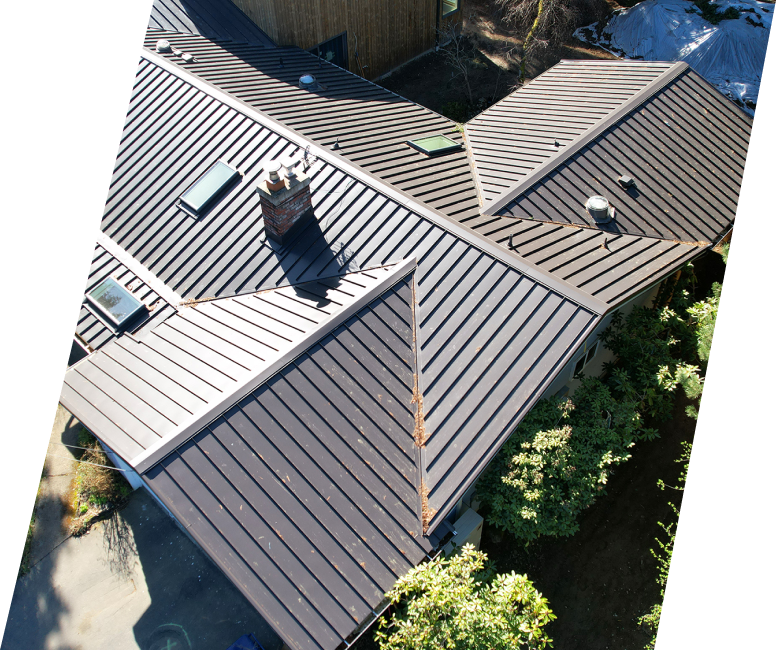
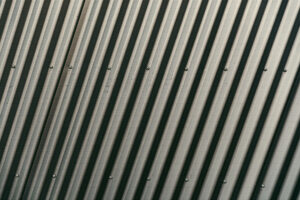
Corrugated metal roofing features repeating waves or ridges that run vertically along metal panels. These ridges aren’t just decorative, they add significant strength to the panels, allowing them to span longer distances without support and handle heavy loads like snow and wind. The wavy pattern creates a distinctive look that’s instantly recognizable.
The panels come in various materials, most commonly galvanized steel, aluminum, or steel with protective coatings. Each material offers different benefits for weight, rust resistance, and cost. The corrugations typically measure between half an inch to several inches in height, with different profiles creating different aesthetic effects and structural capabilities.
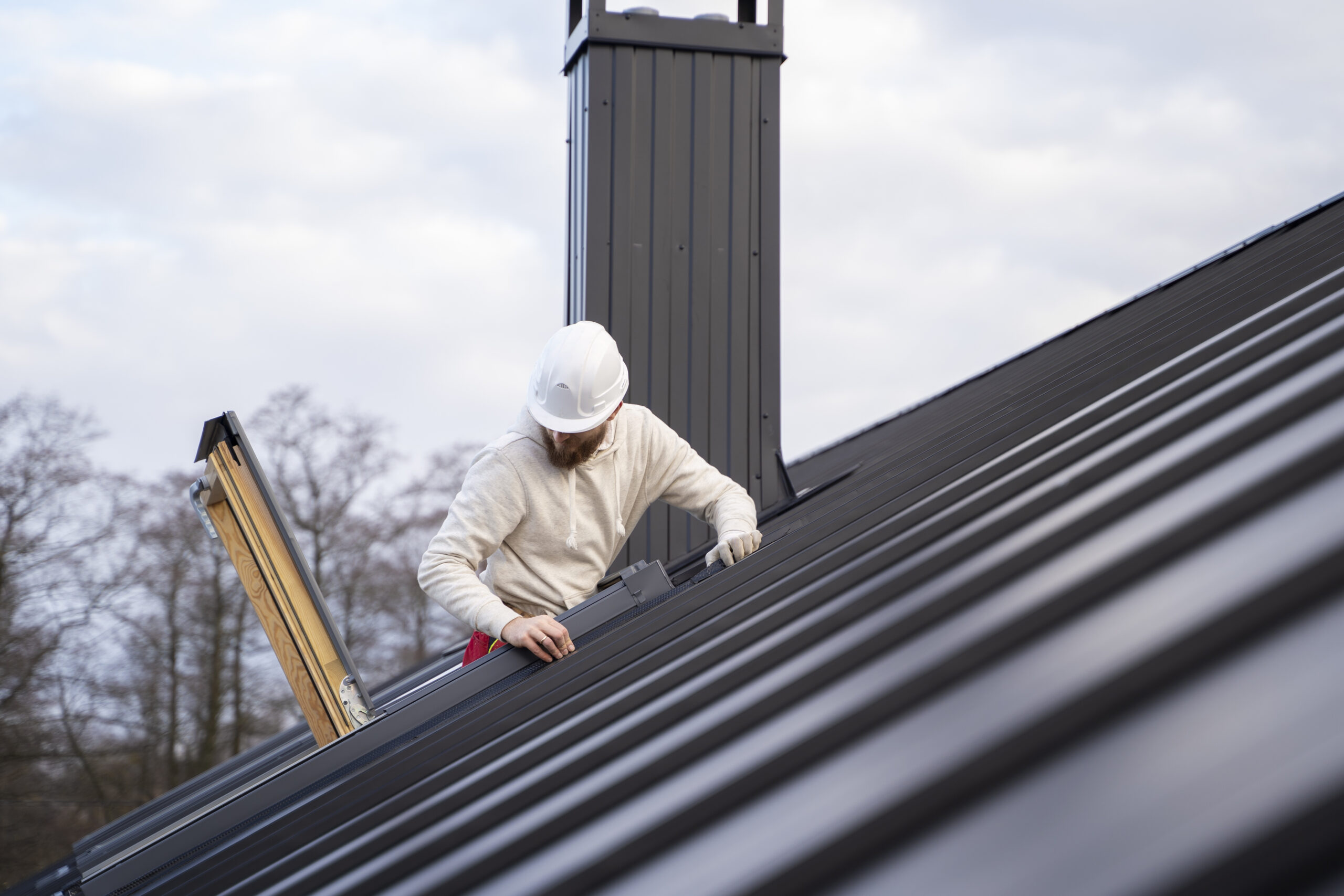
Installation involves attaching these panels directly to roof framing or over existing sheathing, with panels overlapping at the ridges to create a weather-tight seal. The system is relatively straightforward compared to other roofing types, which contributes to its popularity for both professional installations and ambitious DIY projects.
You’ll find this roofing style on everything from modern residential homes and commercial buildings to agricultural structures and coastal properties where durability matters. The versatility in appearance and performance makes it suitable for diverse applications and architectural styles.
Key Benefits of Corrugated Metal Roofing
The advantages of metal roofing go well beyond just looking different from traditional shingles. These benefits explain why more property owners are choosing this option.
- Longevity stands out as perhaps the biggest advantage. While asphalt shingles typically last 15 to 25 years, properly installed corrugated metal roofs regularly last 40 to 70 years or more. That’s potentially the last roof you’ll ever need to install on your building. The long lifespan offsets the higher initial cost over time.
- Durability in harsh weather makes metal roofing ideal for areas with extreme conditions. These roofs handle high winds exceptionally well, often rated for winds up to 140 mph when properly installed. They shed snow easily, resist impact damage from hail better than most materials, and won’t rot, crack, or deteriorate like organic materials.
- Low maintenance requirements mean less hassle and expense over the roof’s lifetime. Metal doesn’t absorb moisture, resist mold and mildew growth, and generally needs nothing more than occasional inspections and debris removal. You won’t spend weekends replacing damaged shingles or dealing with algae growth.
- Energy efficiency helps reduce cooling costs because metal reflects solar heat rather than absorbing it like dark asphalt shingles. Many homeowners see noticeable decreases in summer cooling expenses. Some metal roofing products include special reflective coatings that enhance this benefit even further.
- Fire resistance provides excellent protection since metal is non-combustible. This matters particularly in wildfire-prone areas or places where insurance companies offer discounts for fire-resistant roofing materials.
- Environmental benefits appeal to eco-conscious property owners. Metal roofing contains 25 to 95 percent recycled content depending on the material, and it’s completely recyclable at the end of its long service life. Compare that to the millions of tons of asphalt shingles filling landfills every year.
- Lightweight construction puts less stress on your building’s structure compared to heavier roofing materials like tile or slate. This can be important for older buildings or structures where weight is a concern.
Common Materials Used
Understanding the different materials helps you choose the right option for your specific needs and budget.
- Galvanized steel is the most common and affordable option. The steel is coated with zinc to prevent rust, creating a durable and economical roofing material. It handles the structural demands well and works in most climates. The zinc coating eventually wears down, so maintenance and occasional recoating may be needed in harsh environments.
- Galvalume steel uses a coating of aluminum and zinc, providing better corrosion resistance than standard galvanized steel. This material performs particularly well in coastal areas or environments with high humidity. It costs slightly more than galvanized steel but offers superior longevity.
- Aluminum roofing resists corrosion naturally without special coatings, making it ideal for coastal properties where salt air destroys other metals. It’s lighter than steel, which can be advantageous for some structures. The tradeoff is that aluminum is softer and more prone to denting from hail or falling branches.
- Steel with painted or coated finishes offers both protection and aesthetics. These panels come in numerous colors and finishes, from matte to glossy, allowing you to match your building’s style. The quality of the coating significantly affects the roof’s longevity and appearance retention.
- Copper and zinc options exist for high-end applications where cost is less important than appearance and maximum longevity. These materials develop attractive patinas over time and can last well over 100 years. They’re rarely used for standard residential or commercial applications due to expense.
Installation Process and Considerations
Proper installation makes the difference between a roof that lasts decades and one that causes problems. Understanding the process helps whether you’re hiring contractors or considering DIY installation.
Preparation starts with assessing the existing roof structure. The framing must be sound and properly spaced to support metal panels. Many installations go over solid sheathing with underlayment for added protection, though some direct-to-purlin installations skip the sheathing on certain building types.
Underlayment installation provides an extra moisture barrier and reduces noise. Synthetic underlayment works better than felt paper under metal because it handles temperature changes better and provides superior water resistance.
Panel layout requires careful planning to ensure proper overlap and minimize waste. Panels typically run from ridge to eave in one piece when possible, reducing seams and potential leak points. Proper measurements prevent costly mistakes and material waste.
Fastening techniques matter enormously for long-term performance. Screws must be installed in the right locations, typically in the flat parts of corrugations rather than the ridges, and with proper tightness. Over-tightening distorts panels and causes leaks, while under-tightening allows movement and water infiltration.
Flashing and trim work around chimneys, vents, skylights, and edges requires special attention. These areas are where most leaks occur if not properly detailed. Ridge caps, valley treatments, and edge trim all need correct installation for a weather-tight roof.
Ventilation considerations ensure your attic or roof space breathes properly. Proper ventilation prevents condensation issues that can damage the roof deck from underneath, even though the metal itself won’t be affected.
Expansion and contraction must be accommodated in the installation. Metal expands and contracts significantly with temperature changes. Fasteners and design must allow for this movement without causing buckling or pulling loose.
Cost Factors and Budget Planning
Understanding what drives costs helps you budget accurately and avoid surprises during your roofing project.
Material selection significantly impacts price. Basic galvanized steel corrugated panels might cost 2 to 4 dollars per square foot for materials, while premium coated steel or aluminum runs 4 to 8 dollars per square foot. Specialty metals like copper cost substantially more.
Installation labor typically ranges from 3 to 7 dollars per square foot depending on roof complexity, your location, and contractor rates. Simple gable roofs with few penetrations cost less to install than complex roofs with multiple valleys, dormers, and skylights. In the Greater Puget Sound area, labor costs often run on the higher end due to local market conditions.
Roof complexity and accessibility affect pricing. A steep roof that’s hard to access costs more to install than a simple, accessible roof. Multiple levels, unusual angles, and difficult working conditions all increase labor costs.
Removal and disposal of existing roofing adds expense if you’re replacing an old roof. Some metal roofing installations can go over one layer of existing shingles, potentially saving this cost, though this approach has tradeoffs in performance and longevity.
Additional materials like underlayment, flashing, ridge caps, and trim pieces add to the total cost. These components are essential for proper installation and shouldn’t be cut from the budget to save money.
Total project costs for residential installations typically range from 8 to 18 dollars per square foot installed, translating to 12,000 to 27,000 dollars for an average 1,500 square foot roof. Commercial installations vary more widely based on building type and requirements.
Long-term value considerations show that while the upfront cost exceeds asphalt shingles, the extended lifespan and low maintenance needs make metal roofing economically competitive over its lifetime. Energy savings and insurance discounts further improve the financial picture.
Maintenance and Longevity
Proper care ensures your metal roof reaches its maximum lifespan and performs optimally throughout its service life.
Regular inspections, ideally twice yearly, help catch small problems before they become major issues. Walk the roof carefully or inspect from a ladder, looking for loose fasteners, damaged panels, or problems with flashing and trim.
Cleaning removes debris, leaves, and dirt that can trap moisture and potentially cause problems. A simple rinse with a garden hose usually suffices. Avoid pressure washers that might damage protective coatings or force water under panels.
Fastener checks matter because screws can work loose over time from thermal expansion and contraction. Tightening loose fasteners and replacing damaged ones prevents leaks and panel movement.
Paint touch-ups on scratches or areas where coating has worn preserve the metal underneath and maintain appearance. Small touch-ups are quick and prevent rust from starting.
Gutter maintenance complements roof care by ensuring water drains properly. Clogged gutters can cause water to back up under roof edges, potentially causing problems even with metal roofing.
Professional inspections every few years provide expert assessment of your roof’s condition. Roofing contractors spot issues that untrained eyes might miss and can perform maintenance that requires special equipment or expertise.
Expected lifespan varies by material and environment. Galvanized steel typically lasts 40 to 60 years, galvalume 50 to 70 years, and aluminum 50 to 75 years in most conditions. Proper installation and maintenance push these numbers toward the upper end of the range.
Design Options and Aesthetics
Modern corrugated metal roofing offers far more design flexibility than many people realize, moving well beyond the industrial barn look.
Color choices range from traditional silver and gray to virtually any color imaginable. Baked-on finishes provide lasting color that resists fading much better than painted surfaces. Popular choices include earth tones, deep blues and greens, reds, and even bright modern colors for contemporary designs.
Profile variations offer different aesthetic effects. Standard corrugations create the classic wavy appearance, while other profiles like ribbed or standing seam provide cleaner, more modern looks. Each profile also has different structural characteristics and installation requirements.
Finish options include matte, glossy, and textured surfaces. Matte finishes provide a subtle, contemporary appearance, while glossy finishes create a more dramatic, reflective look. Some finishes even mimic other materials like wood or tile.
Architectural compatibility works with various building styles. Industrial and modern designs naturally complement metal roofing, but with the right color and profile choices, it works beautifully with traditional, farmhouse, coastal, and even historic renovation projects.
Mixed materials allow combining corrugated metal with other roofing types for visual interest. You might use metal on some roof planes and different materials on others, creating distinctive designs that highlight architectural features.
Conclusion
Choosing corrugated metal roofing means investing in a durable, long-lasting solution that offers numerous benefits beyond just keeping water out. From exceptional weather resistance and minimal maintenance to energy efficiency and environmental advantages, metal roofing delivers value that extends well beyond its initial installation.
The higher upfront cost compared to traditional materials pays off through longevity, reduced maintenance, and potential energy savings over decades of reliable performance.
Whether you’re building new construction, replacing an aging roof, or upgrading from traditional materials, understanding the benefits, costs, and installation requirements helps you make the right decision for your property.
Work with experienced professionals who understand proper installation techniques, choose quality materials appropriate for your climate, and maintain your roof properly to ensure it delivers the maximum lifespan. With proper planning and installation, corrugated metal roofing provides the lasting protection and distinctive appearance that makes it an excellent choice for residential and commercial properties alike.
Frequently Asked Questions (FAQs)
1. Is corrugated metal roofing noisy when it rains?
Corrugated metal roofing isn’t significantly noisier than other roofing materials when properly installed with solid sheathing and underlayment. The underlayment and insulation in your attic space dampen sound considerably.
Installations directly over open framing without sheathing are noticeably louder. Most homeowners with properly installed metal roofs report minimal noise difference compared to their previous shingle roofs. If noise concerns you, additional insulation or specialized sound-dampening underlayment can reduce sound even further during heavy rain or hail.
2. Can I install corrugated metal roofing over existing shingles?
Yes, corrugated metal roofing can be installed over one layer of existing asphalt shingles in many cases, which saves removal and disposal costs. However, this approach has tradeoffs.
Installing over shingles means you can’t inspect the roof deck for damage, trapped moisture between layers can cause issues, and the extra layer adds weight and reduces ventilation effectiveness.
Most roofing professionals recommend removing old shingles for the best long-term results, though overlay installation works acceptably in some situations when budget constraints exist.
3. How does corrugated metal roofing perform in cold climates?
Corrugated metal roofing performs excellently in cold climates and snowy regions. The smooth surface allows snow to slide off easily, reducing structural load and ice dam risks. Metal doesn’t crack or become brittle in freezing temperatures like some materials.
Proper installation with appropriate underlayment and ventilation prevents condensation issues. The one consideration is that sudden snow slides can be dangerous, so snow guards may be needed above entryways or in areas where falling snow poses risks to people or property below.
4. Will a metal roof affect my cell phone or WiFi signal?
Corrugated metal roofing does not typically cause noticeable cell phone or WiFi signal problems for most users. While metal can technically interfere with radio frequencies, modern cell towers are powerful enough that signal strength remains adequate.
WiFi routers inside your home aren’t significantly affected since the signal is already inside. If you live in an area with already weak cell coverage, any roofing material might cause minor signal reduction, but it’s rarely a practical problem. External antennas or signal boosters can address any issues if they occur.
5. What’s the best way to prevent rust on metal roofing?
Preventing rust starts with choosing properly coated materials like galvanized or galvalume steel, or naturally rust-resistant aluminum. Regular inspections help you catch and address scratches or coating damage before rust starts.
Touch up any scratches or exposed metal with appropriate paint immediately. Keep the roof clean and free of debris that traps moisture. Ensure proper drainage so water doesn’t pool anywhere.
Avoid mixing dissimilar metals that can cause galvanic corrosion. With proper material selection and minimal maintenance, rust rarely becomes a problem on quality metal roofing installations.