Many business owners delay commercial roof replacement decisions, continuing expensive repair cycles long after replacement would provide superior economic value.
Recognizing signs your business needs commercial roof replacement sooner than expected prevents months or years of repeated repairs, unexpected failures disrupting operations, and escalating costs that replacement would have avoided.
Commercial roofing systems have predictable failure patterns indicating when repairs become uneconomical and replacement becomes strategically wise.
Understanding these indicators allows business owners to plan commercial roof replacement strategically rather than being forced into emergency situations by catastrophic failure. Professional evaluation helps determine whether your situation warrants continued repairs or indicates commercial roof replacement timing.
Frequent Repairs Over Multiple Years
When commercial roof repairs become frequent, occurring repeatedly in same locations or across the roof generally, these patterns indicate underlying system failure suggesting commercial roof replacement should be considered. One or two repairs to specific damage locations represent normal maintenance.
Annual or semi-annual repairs to different areas, or repeated repairs to same locations despite previous fixes, indicate systemic problems requiring commercial roof replacement rather than continued patching.
Consider total repair costs over recent years. If combined repair costs over 3-5 years approach 50% of commercial roof replacement cost, replacement becomes economically favorable. Continuing repairs on an aging roof wastes money better spent on replacement providing years of worry-free performance.
Membrane Age Approaching Expected Lifespan
Standard flat roof membranes have expected lifespans of 15-25 years depending on material type and installation quality.
As your commercial roof approaches or exceeds these age thresholds, commercial roof replacement should enter planning discussions even if the roof isn’t currently problematic. Failure rates accelerate dramatically as roofs age beyond expected lifespan.
If your roof is 20 years old or older and showing any signs of problems, commercial roof replacement is likely preferable to continued repairs on aging material. Older roofs represent increasing failure risks affecting business operations.
Large Area Membrane Deterioration
When deterioration affects large roof areas rather than localized damage, commercial roof replacement becomes necessary even if roofs are relatively young. Large-scale membrane cracking, blistering, or deterioration indicates systemic material failure.
Attempting patching strategy to these widespread problems rarely succeeds long-term. Commercial roof replacement is more economical than attempting to patch large deteriorated areas.
Persistent Leak Problems
If your building experiences ongoing water leaks despite previous repairs, commercial roof replacement should be evaluated. Persistent leaks indicate either misdiagnosis of original problems or ongoing deterioration from other sources. Finding and fixing one leak followed by different leak appearing elsewhere wastes money and disrupts operations.
When commercial roof replacement is performed, identification of true problem sources occurs as old roofing is removed and roof structure is thoroughly inspected. Rather than continuing unsuccessful repair attempts, replacement solves underlying problems definitively.
Multiple Roof Repairs Under Warranty
Some commercial roof replacement warranties cover repairs during warranty period. If you’re repeatedly calling your contractor for repairs during warranty years, this indicates poor installation quality or improper material selection.
Rather than continuing relationships with contractors providing inadequate results, commercial roof replacement with a different contractor may be preferable.
Interior Mold or Water Stains Indicating Systemic Leaking
When interior evidence of water penetration appears across multiple building areas, this indicates systemic roof failure affecting large areas. Localized leaks might be addressable through repairs. Widespread water damage inside your building indicates comprehensive commercial roof replacement is necessary to stop continued interior damage.
Poor or Deteriorating Flashing and Penetrations
Flashing at roof penetrations is primary leak source. When flashing at multiple penetrations is failing or severely corroded, commercial roof replacement represents the most cost-effective solution rather than attempting repeated flashing repairs. Replacing entire roofing system allows installation of quality flashing and penetration details reducing future leak risks.
Structural Damage or Sagging
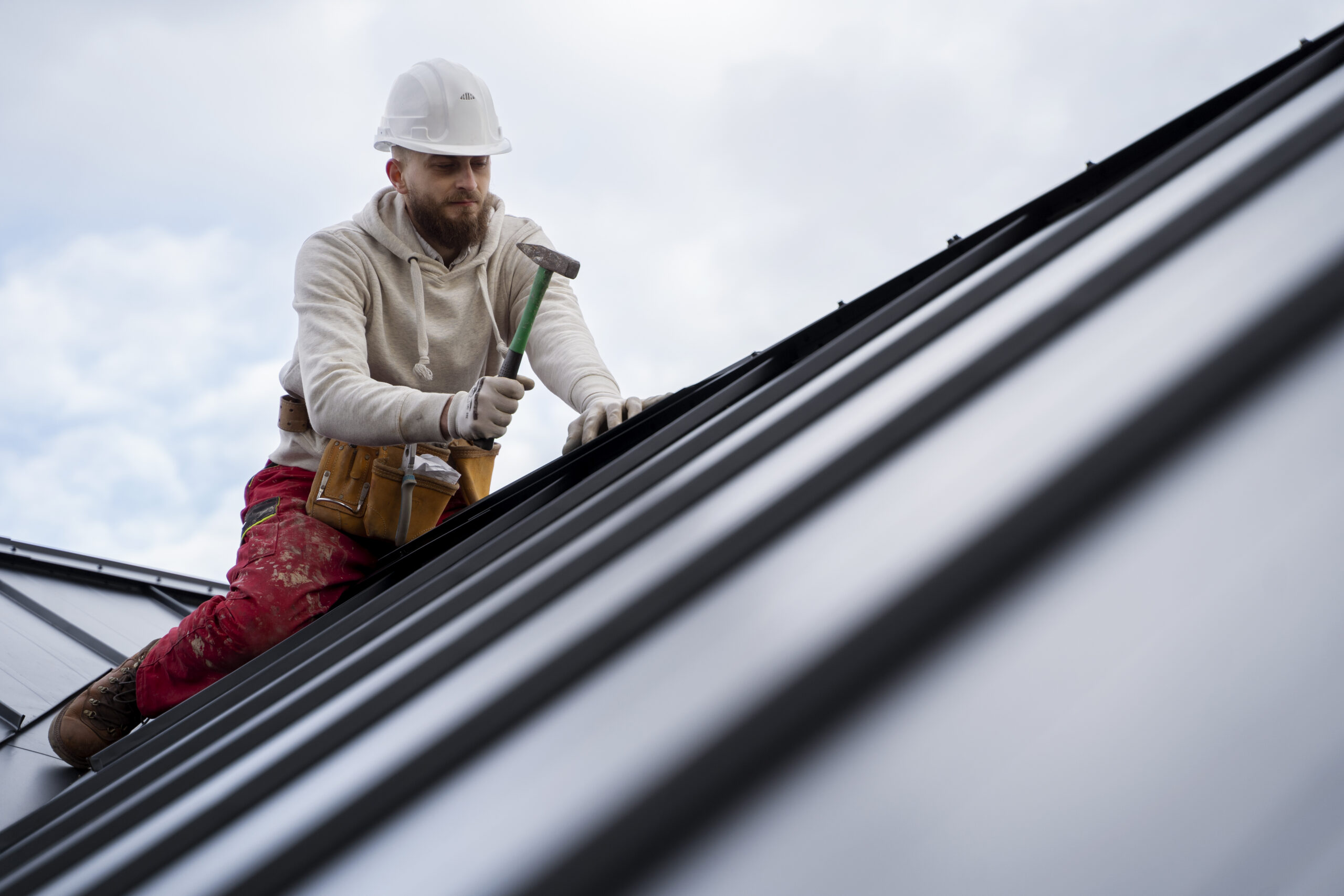
Sagging roof sections or visible structural damage indicate serious deterioration warranting commercial roof replacement. Continued use of structurally compromised roofs risks collapse, particularly under heavy snow loads. Structural problems often emerge during tear-off of failing roofing, confirming that replacement was necessary.
Inadequate Drainage or Chronic Ponding
If your roof chronically ponds water despite drain maintenance and cleaning, the problem likely involves roof settlement or inadequate slope. Temporary fixes never solve underlying issues.
Commercial roof replacement allows installation of adequate slope and drainage preventing future ponding. Continuing to battle chronic ponding wastes money and accelerates roof failure.
Energy Efficiency Concerns
Aged roofing systems often lack adequate insulation or ventilation, leading to high energy costs. Commercial roof replacement provides opportunity to upgrade insulation and ventilation dramatically reducing energy expenses.
Cool roofing materials and reflective coatings reduce cooling costs. Improved insulation reduces heating and cooling loads. These benefits compound over 20-year roof lifespan, creating substantial returns on replacement investment through energy savings.
Insurance Pressure or Coverage Concerns
Some insurance companies limit coverage on roofs older than specified ages or with certain deterioration conditions. If insurers are pressuring you toward replacement, this indicates they view roof as significant risk. Commercial roof replacement protects your insurance coverage and may qualify for premium discounts.
Frequently Asked Questions (FAQs)
1. What’s the Right Time to Schedule Commercial Roof Replacement?
Schedule replacement during seasons with favorable weather and contractor availability. Spring and early fall typically provide best conditions. Plan replacement during business slow periods minimizing operational disruption. Budget and plan 6-12 months in advance allowing contractor scheduling flexibility.
2. Can I Extend Commercial Roof Life Through Protective Coatings Rather Than Replacement?
Protective coatings extend roof life 5-10 years if underlying membrane is in good condition. However, coatings cannot fix structural problems or address widespread deterioration. If multiple factors warrant replacement, coatings only delay inevitable replacement temporarily.
3. Should I Replace My Commercial Roof If It’s Not Currently Leaking?
If roof is aging and approaching expected lifespan, replacement becomes advisable even without current leaks. Continued repairs on aging roofs represent poor investment. Proactive replacement prevents emergency situations. Ask contractors for honest assessment whether your roof warrants continued repairs or deserves replacement.
4. How Should I Choose Between Different Commercial Roof Replacement Options?
Evaluate material durability, energy efficiency, and long-term cost. Warranty length and contractor quality matter significantly. Request proposals from multiple contractors comparing material options and pricing. Choose based on total value including performance and cost rather than low bid alone.
5. What’s Typical Commercial Roof Replacement Timeline?
Most commercial roof replacements take 2-5 weeks depending on building size and roof complexity. Weather delays can extend timelines. Plan for business disruption including noise and foot traffic. Coordinate with your contractor to minimize operational impacts.