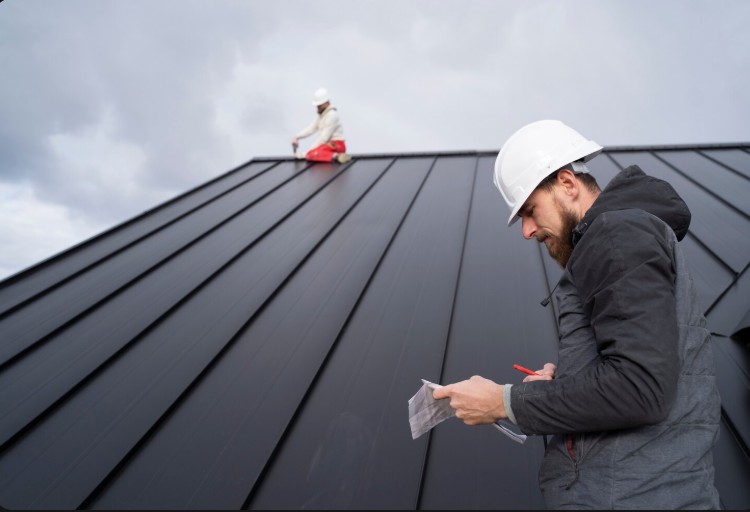
Professional commercial roof inspection provides systematic, comprehensive assessment of roof condition and performance far exceeding surface observation or casual examination. Many building owners lack understanding of what professional commercial roof inspection involves, what inspectors examine, and how findings translate into actionable recommendations.
Knowing what happens during professional commercial roof inspection helps building owners understand value provided and make informed decisions about maintenance and repair needs.
Detailed commercial roof inspection findings create documentation supporting insurance claims, guiding maintenance planning, and identifying problems requiring attention. Professional commercial roof inspection represents wise investment protecting building assets and guiding strategic decision-making about roof management.
Pre-Inspection Planning and Documentation
Professional commercial roof inspection begins before inspectors access your roof. Inspectors review available documentation including previous inspection reports, repair records, warranty information, and building specifications. T
his background research prepares inspectors to understand roof history, previous problems, and expected lifespan based on installation date. Inspectors discuss specific concerns with building managers, identifying areas of particular concern requiring detailed examination during professional commercial roof inspection.
Exterior Visual Assessment
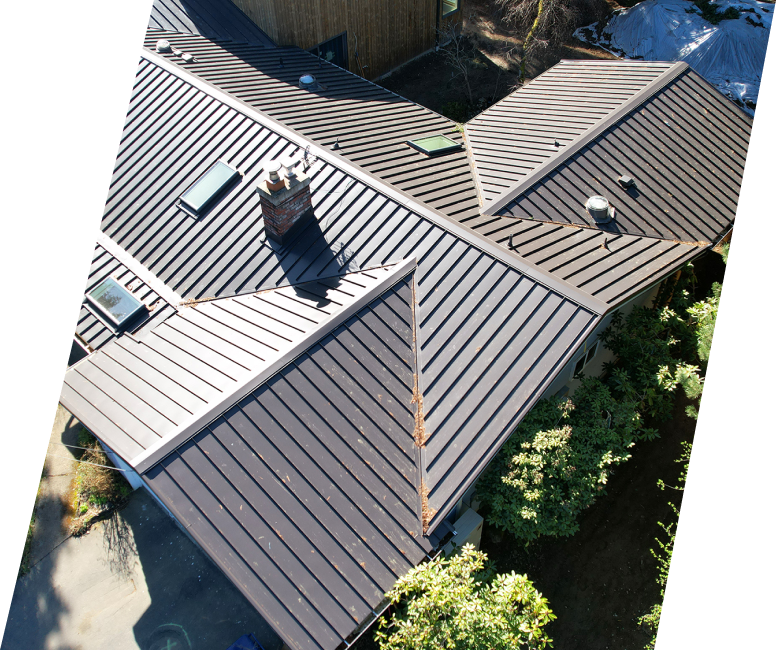
Professional commercial roof inspection begins with comprehensive exterior examination. Inspectors walk entire roof perimeter assessing visible conditions. They document membrane condition including cracks, blisters, deterioration, discoloration, and surface damage. They check for ponding water or areas where water collects.
They inspect all flashing locations identifying deterioration, separation, corrosion, or missing sealants. They examine penetrations for roof leaks, HVAC equipment, vents, and other projections evaluating condition and water-tightness.
Inspectors note debris accumulation, moss or algae growth, or other conditions affecting roof performance. They evaluate gutter and drainage system condition identifying clogs, damage, or areas of concern. Professional commercial roof inspection documents overall membrane condition with detailed descriptions and photographs.
Flashing and Penetration Detail Inspection
Detailed professional commercial roof inspection focuses heavily on flashing at roof edges, wall transitions, equipment supports, and all penetrations. Flashing represents primary leak source on commercial roofs, making detailed inspection critical.
Inspectors examine sealant condition, look for gaps allowing water infiltration, check for rust or corrosion, and verify fastener integrity. They identify areas where flashing has separated from roof surfaces or where previous repairs appear inadequate.
Professional commercial roof inspection documents exact locations of flashing problems and severity. This detailed documentation guides repair prioritization and budgeting.
Membrane Evaluation and Testing
Professional commercial roof inspection sometimes includes non-destructive testing to assess membrane integrity. Moisture scan testing detects water trapped in insulation, identifying potential rot and structural damage not visible from surface examination.
Electrical impedance testing evaluates electrical continuity detecting separation of membrane from substrate. These tests reveal hidden problems surface examination might miss.
Inspectors assess membrane flexibility, checking whether materials remain pliable or have become brittle and prone to cracking. They evaluate whether original surface coating remains protective or if deterioration exposes underlying material.
Professional commercial roof inspection includes assessment of expected remaining membrane lifespan based on material type, installation date, and observed deterioration.
Drainage System Assessment
Professional commercial roof inspection includes detailed evaluation of roof drainage systems. Inspectors check that drains are accessible, clear of debris, and functioning properly. They verify that slope directs water toward drains rather than creating ponding areas. They assess gutter condition, downspout integrity, and drainage away from building foundations.
Inspectors identify areas where drainage could be improved preventing future water management problems. This evaluation prevents chronic ponding and water-related deterioration.
Interior and Attic Inspection
Comprehensive professional commercial roof inspection includes interior examination of attic spaces, crawl spaces, and ceiling areas. Inspectors look for water stains, mold growth, deteriorated insulation, or structural rot indicating roof leaks or moisture problems.
They assess attic ventilation adequacy and identify blockages restricting airflow. They examine structural components for signs of water damage or deterioration.
Interior findings often reveal problems not apparent from exterior inspection alone. Water damage progression and mold development indicate roof leaks have persisted long enough for serious secondary damage to occur. Professional commercial roof inspection combines interior and exterior findings creating complete picture of roof condition.
Structural Assessment
Professional commercial roof inspection includes assessment of roof structure, looking for sagging, uneven surfaces, or signs of structural problems. Inspectors examine trusses, rafters, and support members for deterioration, rust, or damage.
They assess structural adequacy for snow loads, wind stress, and other design loads. They identify areas where structural modification might be needed for equipment support or capacity upgrades.
Sealing and Caulking Evaluation
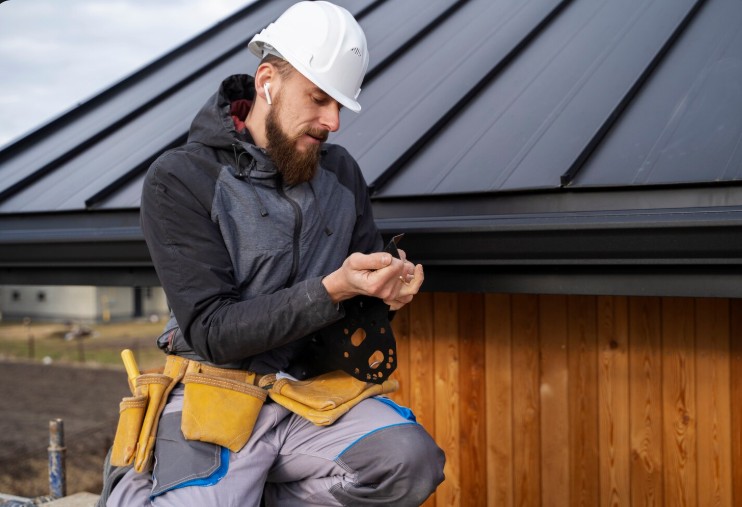
Professional commercial roof inspection includes detailed examination of all sealants and caulking. Inspectors identify deteriorated, cracked, or missing sealants allowing water infiltration.
They evaluate whether current sealants are appropriate for conditions or if upgraded materials would provide superior performance. They identify areas where additional sealant might prevent future problems.
Photographic Documentation
Comprehensive professional commercial roof inspection includes extensive photographic documentation. Inspectors photograph overall roof conditions, specific problem areas, and details of concern.
Photographs provide visual evidence supporting written findings and allow comparison with future inspections tracking deterioration. Professional commercial roof inspection photos support insurance claims and building records.
Report Generation and Recommendations
Professional commercial roof inspection concludes with detailed report documenting findings and providing recommendations. Reports prioritize identified problems by urgency, distinguishing immediate concerns requiring attention from longer-term maintenance issues.
Recommendations include estimated timelines for required work and expected costs where possible. Reports guide strategic planning for repairs, maintenance, or replacement decisions.
Frequency and Planning
Professional commercial roof inspection recommendations typically include suggested inspection frequency based on roof age and condition. Most commercial roofs should be inspected at least annually, with additional inspections after severe weather events. Inspection recommendations guide building owners in maintenance planning.
Frequently Asked Questions (FAQs)
1. How Long Does a Professional Commercial Roof Inspection Take?
Inspection duration depends on building size and roof complexity. Small buildings might complete in 2-3 hours. Large complex roofs require 4-8 hours. Inspections occurring during business hours might require additional time coordinating building access.
2. What Does Professional Commercial Roof Inspection Cost?
Inspection costs vary by building size and complexity. Small buildings might cost $200-$400. Large buildings might cost $800-$2,000 or more. This investment proves minimal compared to costs of deferred maintenance or emergency repairs avoided through early problem identification.
3. Should Building Occupants Remain in Building During Professional Commercial Roof Inspection?
Normally, building operations can continue. Inspectors need interior access to attic and ceiling areas. Minimal disruption occurs during inspection. Some inspectors prefer minimal interruption while others welcome information about known problems.
4. What Happens After Professional Commercial Roof Inspection Report Is Completed?
Review findings and recommendations carefully. Prioritize problems by urgency. Budget for needed repairs or maintenance. Plan major work like replacement or extensive repairs. Use recommendations guiding long-term roof management strategy.
5. How Often Should Professional Commercial Roof Inspection Be Repeated?
Annual inspection is standard for most commercial roofs. Older roofs or roofs with known problems might benefit from semi-annual inspections. After major repairs, schedule follow-up inspection confirming repairs were effective. Professional commercial roof inspection frequency should be guided by roof age, condition, and history.