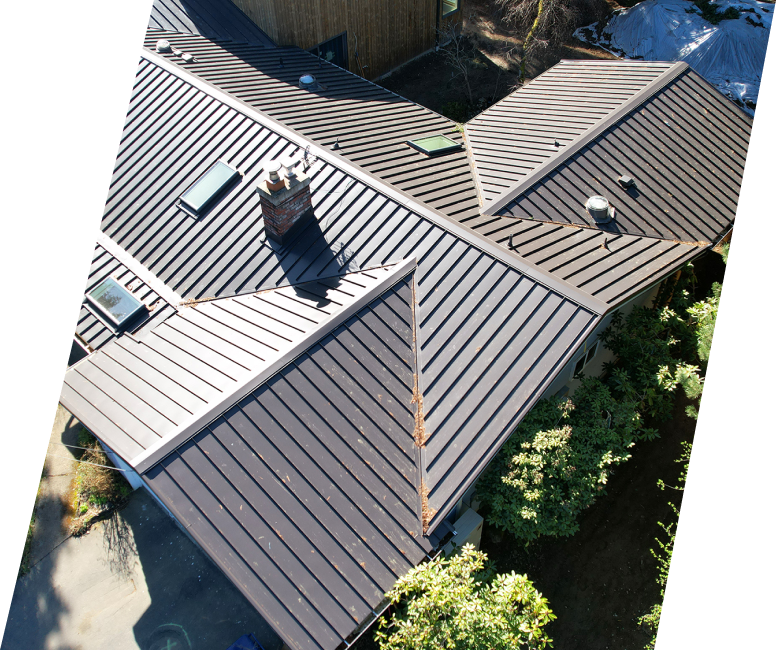
Routine metal roof repair and preventive maintenance represents the most cost-effective investment in preserving metal roofing performance and preventing expensive corrosion and leak problems requiring major repairs or early replacement. Many property owners assume metal roofing, promoted for durability, requires minimal maintenance and repairs.
This misconception leads to deferred maintenance allowing preventable problems to develop into serious deterioration. Systematic routine metal roof repair and maintenance addressing small issues promptly prevents escalating damage that compromises roofing integrity.
Metal roofing longevity depends substantially on maintenance commitment, with well-maintained metal roofs reliably lasting 40-70 years while neglected roofs may fail prematurely. Understanding which routine metal roof repairs matter most allows prioritization of efforts and budgets preventing problems.
Sealant and Fastener Inspection
The most critical routine metal roof repair activity involves regular inspection and maintenance of sealants around fasteners, flashing, and penetrations. Fasteners frequently loosen through thermal cycling and wind stress, creating pathways for water infiltration.
Deteriorated or missing sealants expose metal at fastener locations, initiating corrosion processes. Routine metal roof repair includes checking fastener tightness and resealing loose or deteriorated areas.
Metal fasteners require quality sealants preventing water from pooling around fastener heads. Some fasteners develop rust if sealants fail. Routine inspection catches loose fasteners and compromised sealants before water infiltration occurs. This preventive routine metal roof repair requires minimal cost but prevents major leak development.
Coating Inspection and Touchup
Metal roofing protective coatings deteriorate gradually from UV exposure and weather stress. Routine metal roof repair includes inspecting protective coatings for chalk, peeling, or fading indicating deterioration.
Early touchup of coating damage prevents rust development underneath failed coating areas. Quality metal roof repair contractors apply touchup coatings matching original specifications.
Coatings protect base metal preventing corrosion. Preventive coating maintenance is far cheaper than rust remediation after corrosion penetrates coating. Routine inspection catches coating problems at early stages when touchup suffices.
Flashing and Penetration Sealing
Flashing at roof transitions and penetrations represents vulnerable areas where routine metal roof repair is essential. Sealants around flashing deteriorate from sun exposure and thermal cycling. Gaps allow water to infiltrate around flashing causing leaks and corrosion initiation. Routine inspection of all flashing areas identifies deterioration requiring resealing.
Routine metal roof repair focusing on flashing sealants prevents majority of metal roof leaks. Regular inspection and prompt resealing costs little but prevents expensive water damage from flashing failures.
Debris Removal and Surface Cleaning
Routine metal roof repair includes regular cleaning removing debris accumulating on roof surfaces. Leaves, pine needles, and other organic material retain moisture accelerating corrosion initiation and promoting moss and algae growth.
Regular surface cleaning prevents biological growth and maintains proper water drainage. Professional roof cleaning using appropriate methods preserves coating integrity while removing debris and growth.
Routine cleaning prevents conditions enabling accelerated deterioration. Regular cleaning is preventive maintenance preventing expensive corrosion problems requiring restoration work.
Gutter and Drainage System Maintenance
Routine metal roof repair includes maintaining gutters and drainage systems allowing water to drain freely. Debris-filled gutters trap water against roof surfaces, accelerating corrosion. Proper drainage prevents water concentration and standing water promoting deterioration. Routine gutter cleaning and inspection ensures water flows away from metal surfaces properly.
Drainage system maintenance is essential routine metal roof repair preventing premature corrosion from chronic moisture exposure.
Rust Spot Treatment
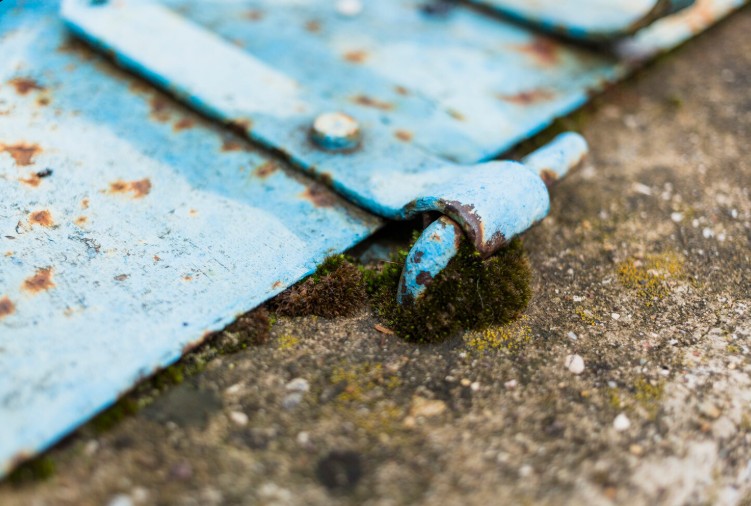
Even well-coated metal roofing sometimes develops small rust spots where coating defects allow water contact with base metal. Routine metal roof repair includes identifying these early rust spots and treating them before rust spreads. Small spots ground and refinished cost little to address. Rust allowed to progress requires major restoration work.
Early identification and treatment of rust spots represents efficient routine metal roof repair preventing expensive corrosion problems. Regular inspection catches rust at treatable stages.1
Fastener Replacement
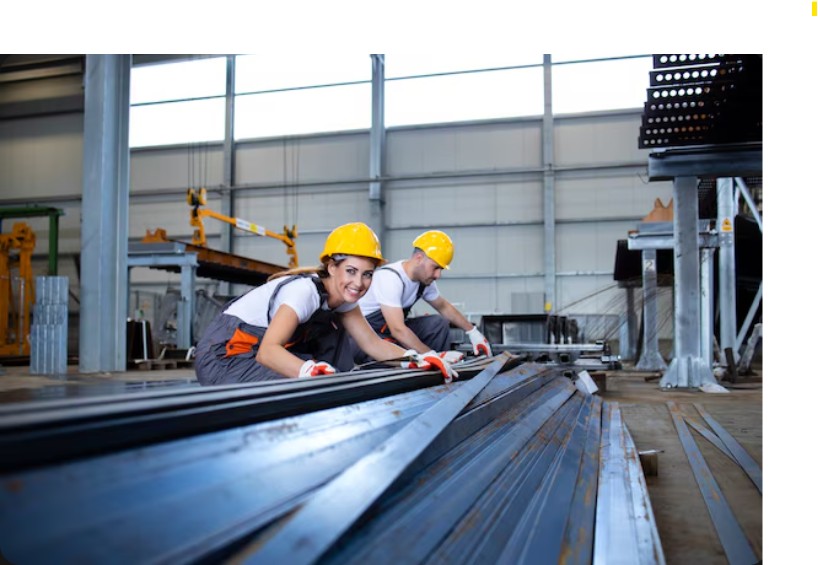
Metal roofing sometimes develops corroded fasteners requiring replacement. Routine metal roof repair includes replacing corroded fasteners before they allow water infiltration. Modern fasteners with improved corrosion resistance last longer than older designs. Routine replacement maintains watertight fastening preventing leaks from failed fasteners.
Thermal Stress and Movement Accommodation
Metal roofing expands and contracts with temperature changes. Routine metal roof repair includes verifying that accommodation for movement is adequate. Standing seam systems must allow panel movement along seams. Fastener attachment must allow fastener movement preventing stress concentration. Routine inspection ensures expansion and contraction accommodation prevents fastener failure and panel separation.
Paint and Coating Reapplication
Long-term routine metal roof repair sometimes includes full repainting when original coatings become so deteriorated that touching up no longer maintains protection.
Professional repainting using proper surface preparation restores protection extending roof life. This major routine metal roof repair becomes necessary every 15-20 years on some metal roofs depending on climate and existing coating condition.
Structural Inspection for Deterioration
Routine metal roof repair includes inspecting underlying structure for deterioration from corrosion or water damage. Metal purlins, fastening systems, and flashing backing should be examined during routine maintenance.
Early identification of structural corrosion allows treatment preventing failure. This inspection is essential routine metal roof repair ensuring structural integrity.
Documentation of Maintenance
Routine metal roof repair should be documented creating maintenance records. Photos, dates, and descriptions of work completed create evidence of regular maintenance.
Documentation supports warranty claims, demonstrates responsible stewardship during property sales, and guides future maintenance planning. Systematic documentation shows commitment to routine metal roof repair preventing problems.
Frequently Asked Questions (FAQs)
1. How Often Should Routine Metal Roof Repair and Maintenance Be Performed?
Schedule routine inspection and maintenance annually, preferably after seasons with harsh weather. Coastal areas or industrial regions with corrosive atmospheres benefit from semi-annual inspections. Most routine metal roof repair should be preventive rather than corrective, addressing problems before they progress.
2. Can Building Maintenance Staff Handle Routine Metal Roof Repair, or Should Professionals Be Hired?
Simple tasks like debris removal and visual inspection can be performed by maintenance staff. Sealing, fastener replacement, and coating work should be performed by professionals with proper materials and expertise. Professional routine metal roof repair ensures quality and proper sealant application.
3. What’s the Cost of Routine Metal Roof Repair Maintenance Compared to Major Repairs or Replacement?
Routine maintenance costs pennies per square foot annually. Deferred maintenance leads to corrosion, leaks, and structural problems costing thousands. Total cost of ownership favors preventive routine metal roof repair over reactive major repairs. Budget routine maintenance viewing it as essential protection.
4. Does Routine Metal Roof Repair Void Warranties?
No. Proper routine metal roof repair using approved products maintains warranty coverage. Proper maintenance actually is required by some warranties. Improper work or using incompatible materials could void coverage. Use qualified contractors for routine metal roof repair work.
5. How Can I Tell If My Metal Roof Needs Routine Repair?
Look for rust spots, loose fasteners, gaps around flashing, loose sealants, or areas where water collects. Listen for fastener popping sounds from thermal stress. Check interior spaces for water stains indicating leaks.
Any of these signs indicate routine metal roof repair is needed. Regular inspection prevents problems before they become obvious. Roofing Formula LLC can perform professional inspections identifying routine metal roof repair needs.