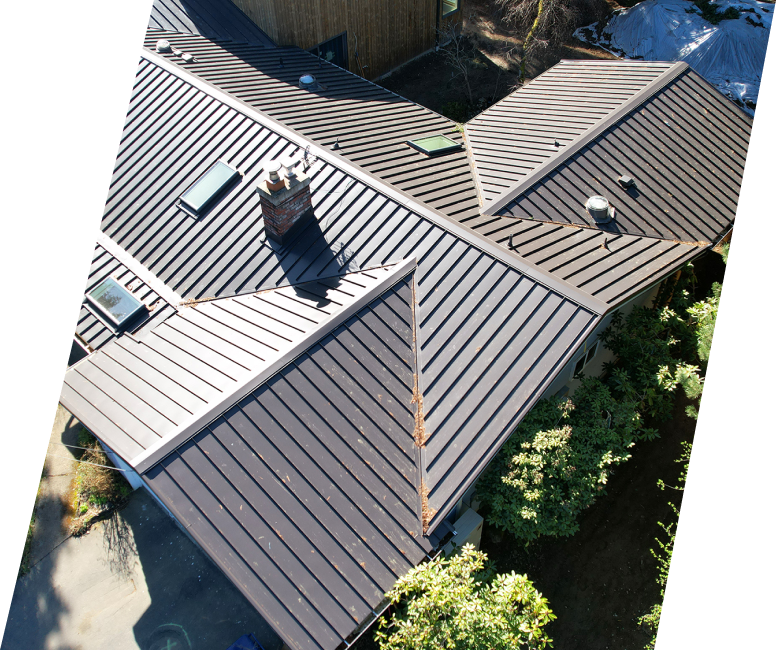
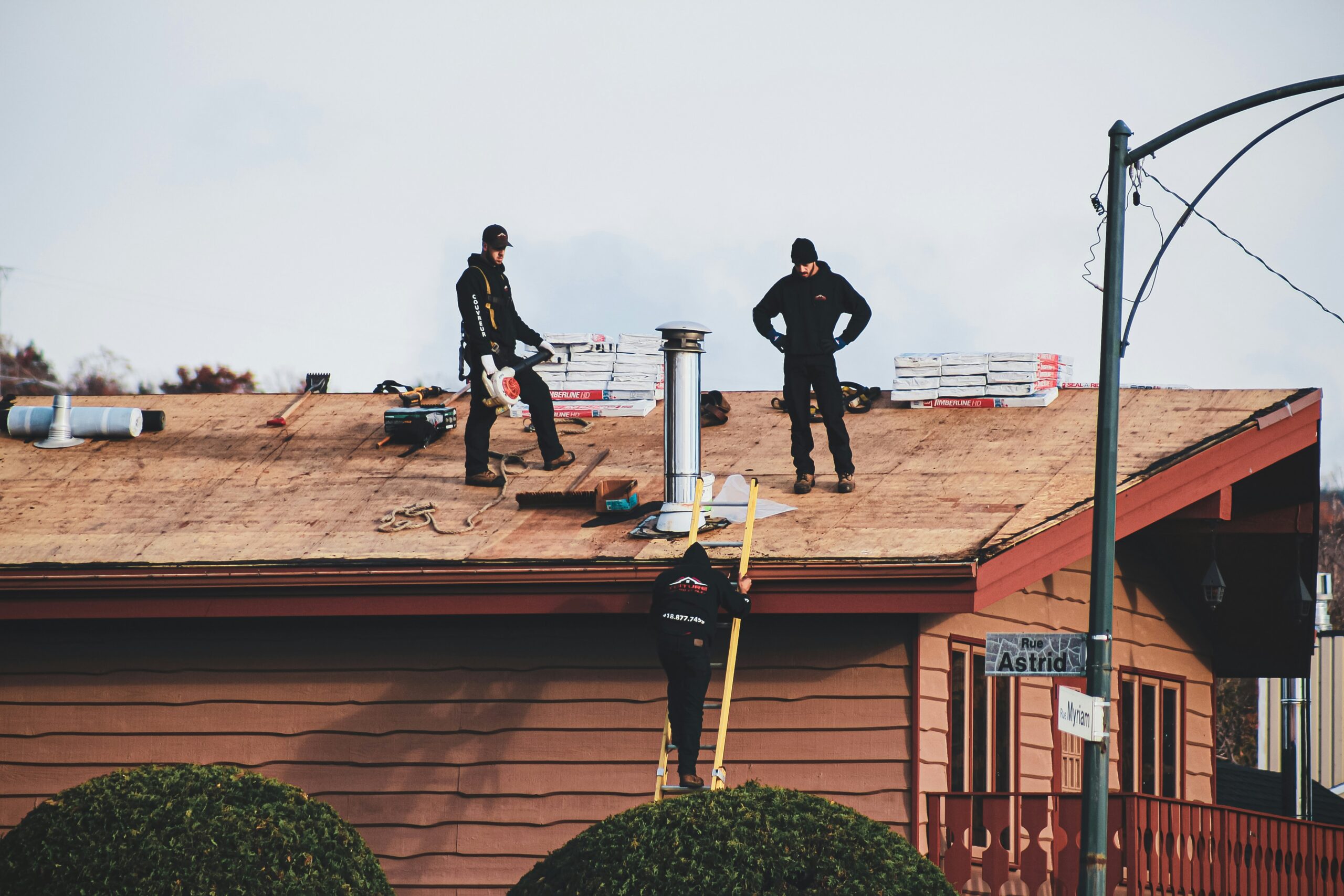
Proper roof installation prep before contractors arrive determines how smoothly the project proceeds and how much disruption you experience during what may be the largest exterior project your home will undergo.
Many homeowners underestimate how much they can do beforehand to facilitate faster work, reduce damage risk, and minimize inconvenience during roof installation. Strategic preparation requires less than an hour but prevents hours of delays and complications.
Understanding what contractors need and what you can arrange in advance transforms the experience from chaotic to manageable. Taking time for roof installation prep demonstrates respect for your contractors’ time while protecting your property and family from unnecessary disruption.
Clear Your Property of Obstacles and Debris
The single most important aspect of roof installation prep involves removing everything from your yard that contractors need to access. This includes moving vehicles from your driveway and nearby street parking where contractors need to position equipment trucks. Contractors require clear space for ladder placement, material staging, and dumpster positioning.
Remove children’s toys, garden equipment, lawn furniture, grills, and any other items sitting on or around your property. Pull potted plants away from the foundation where debris and equipment might damage them. Close gates preventing contractor equipment access to side or rear yards if your roof installation requires materials staged there.
Move trash and recycling bins away from likely access points. Secure garden hoses, extension cords, and outdoor electrical equipment where roofing crews won’t trip on them. Ask contractors specifically which areas they’ll need access to, then clear those zones thoroughly.
What seems like a minor pile of items can become an hour-long obstacle course for crews carrying heavy materials and equipment. Your roof installation prep should make the contractor’s job as efficient as possible.
Protect Ground-Level Items and Landscaping
Beyond simply clearing space, roof installation prep includes protecting valuable items vulnerable to debris or dropped tools. Close all ground-level windows and doors or cover them with plywood if contractors will be working directly above them. Falling debris, roofing nails, and tools sometimes land below despite care and safety measures.
Cover air conditioning units, heat pumps, and other HVAC equipment with plywood sheets to prevent damage from falling debris. Protect decorative plants and shrubs near the house foundation by surrounding them with protective barriers or moving them temporarily to a safe location.
Cover outdoor lighting fixtures, security cameras, and any other items mounted on exterior walls that could be damaged during equipment movement. Rope off landscaping beds close to the house if you want contractors to avoid them during access and equipment staging.
Many roofing contractors carry liability insurance covering accidental damage, but prevention proves far better than dealing with damage and insurance claims during roof installation prep.
Prepare Interior Access and Safety Areas
Roof installation prep extends inside your home to ensure contractor access and your family’s safety during work. Inform contractors about the best entry and exit points. If workers will enter through a garage, move vehicles and clear the garage of obstacles.
Indicate which doors they should use and which areas are off-limits. Provide a bathroom for contractor use to avoid frequent house entry and exit.
Post notes on doors contractors shouldn’t use, particularly doors opening to areas with young children or pets. Inform contractors about alarm system codes if needed or plan to disarm alarms before they arrive.
Establish a secure location where contractors can stage materials and remove debris. Close off areas where children and pets normally play if contractors might inadvertently leave doors open during work.
Make Logistical Arrangements
Successful roof installation prep requires coordinating logistics preventing family disruption. If you have school-age children, plan to keep them away from the house during tear-off days when noise reaches its maximum.
The sound of a roofing crew removing old materials and tearing off decking can reach 85-90 decibels. Arrange childcare or field trips on those days if your children find extreme noise distressing.
Plan to be away from your house or at least available to answer contractor questions. Roofing contractors inevitably encounter unexpected situations requiring homeowner decisions. Being present prevents work stoppages while contractors wait for you.
If you must be away, establish clear communication through phone contact and pre-make key decisions like color choices and material selections.
Schedule contractor arrival for a time that works with your schedule. Most roof installations require 2 to 5 days depending on roof size and weather. During this time, expect loud noise during work hours, regular foot traffic in and out of your home, and visible disruption to your daily routine. Prepare your family for this temporary inconvenience.
Review Contracts and Payment Terms
Roof installation prep includes reviewing and understanding your contract before work begins. Clarify payment terms, change order procedures, and dispute resolution processes. Confirm the scope of work including teardown, disposal, new installation, flashing, and cleanup.
Understand what happens if work exceeds the estimated timeline or unexpected structural problems emerge requiring additional repairs.
Discuss warranty terms and what they cover. Ask how contractors handle unexpected roof deck damage discovered during tear-off. Will repairs be covered under your contract, or will they be quoted separately?
Clarify how decision-making will proceed if problems require modification to the original scope. Having these conversations during roof installation prep prevents surprises and disputes later.
Make Material and Design Decisions Beforehand
Never enter roof installation with undecided material and color choices. Contractors cannot proceed efficiently without clear specifications. Delaying decisions mid-project creates work stoppages, schedule extensions, and additional costs.
Visit showrooms and examine samples before contractors arrive. Choose your material, color, and any special features like ventilation upgrades or specialty flashing. Have these decisions locked in and your contractor confirming they have everything needed.
Discuss any roof modifications like adding ventilation, updating flashing details, or installing specialty components. Handle these planning conversations during roof installation prep, not after work begins. Contractors can stage materials efficiently and work continuously when specifications are finalized beforehand.
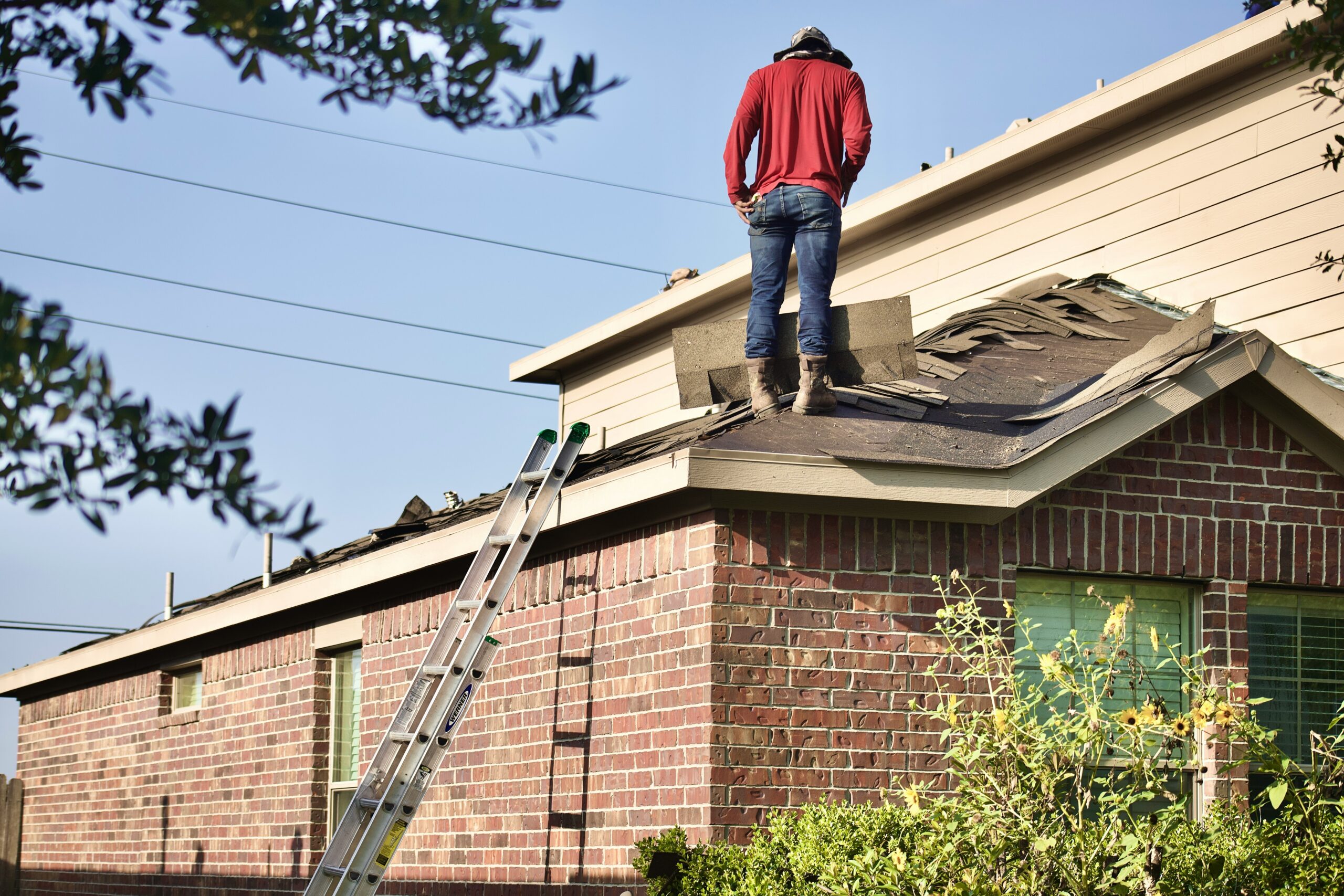
Secure Valuable Items and Documents
Roof installation prep should include securing valuable items vulnerable to theft during the chaos of active construction. Store jewelry, electronics, and cash in a safe or safe deposit box. While most contractors operate ethically, the presence of multiple workers creates opportunity for theft. Don’t invite risk by leaving valuables casually accessible.
Secure important documents and medications if contractors might wander near bathrooms or bedrooms. Lock valuables in a safe room or take them with you during the workday. Keep door locks engaged on areas you want to remain private, particularly bedrooms and home offices.
Arrange Necessary Permits and Inspections
Your roof installation prep timeline should confirm all necessary permits are secured and inspection appointments scheduled. Building departments typically require final inspection after new roof installation completes.
Coordinate with your contractor about who obtains permits and arranges inspections. Clarify whether permit costs are included in your roofing estimate or charged separately. Schedule inspections early so your contractor knows inspection timing and can plan accordingly.
Document Your Roof’s Condition
Before contractors arrive, take photos and video of your roof’s current condition. Document pre-existing damage, stains, or moss. If you ever dispute damage coverage under insurance claims, documentation proves invaluable. Photograph any damage contractors discover during tear-off in case you need this evidence for insurance claims.
Confirm Cleanup Expectations
Roof installation prep should clarify what cleanup your contractor includes and what you’re responsible for. Most contractors remove old roofing materials via dumpster and sweep your roof clean. Some include ground-level cleanup while others don’t. Confirm expectations preventing post-project disputes.
Will contractors sweep gutters and adjacent surfaces? Will they remove roof debris that lands in landscaping? These questions deserve clear answers before roof installation begins.
Understanding your contractor’s process helps you prepare appropriately and know what post-installation cleanup you might need to arrange yourself. Roofing Formula LLC can clarify all roof installation prep expectations ensuring smooth project execution from start to finish.
Frequently Asked Questions (FAQs)
1. How Many Days Should I Expect My Roof Installation to Take?
Most residential roof installations take 2 to 5 days depending on roof size, complexity, and weather. Simple gable roofs might complete in 2 days while complex roofs with multiple dormers require 5 or more days. Your contractor provides specific timeline estimates during the proposal phase.
2. Do I Need to Stay Home During Roof Installation?
Being home ensures contractors can ask questions if unexpected situations arise. If you must leave, provide clear contact information and make decisions beforehand. Some contractors prefer homeowners remain available during the entire project.
3. What If Contractors Discover Structural Damage During Tear-Off?
This happens frequently. Your contract should specify whether these repairs are included in the original price or quoted separately. Have this conversation before work begins rather than discovering surprises mid-project during roof installation.
4. Can Contractors Damage My Yard During Roof Installation?
Falling debris, heavy equipment, and foot traffic can affect landscaping. Clear plants away from the house, cover prized landscaping, and establish clear boundaries about where contractors should avoid. Document your yard’s condition beforehand with photos.
5. Should I Be Present When Contractors Inspect My Roof Before Work Begins?
Absolutely. The pre-installation inspection allows contractors to communicate what they’ll encounter, discuss material staging, and review access routes. Your presence prevents miscommunication and allows you to ask questions and clarify expectations before roof installation begins.