Dealing with metal roof repair might seem intimidating at first, especially since metal roofs are known for their durability and longevity. When problems do show up, many property owners wonder whether repairs are straightforward or require specialized expertise.
The reality is that while metal roofs last significantly longer than traditional asphalt shingles, they’re not completely maintenance free. Understanding common issues, knowing what repairs look like, and catching problems early helps you protect your investment and maximize the decades of service a metal roof should provide.
Understanding Metal Roof Damage
Metal roofs develop different types of damage than traditional roofing materials, and recognizing these issues early makes repairs simpler and less expensive.
Rust and corrosion are common concerns, especially on older roofs or those in coastal areas with salt air exposure. Even galvanized or coated metal can develop rust if the protective layer gets scratched or wears down over time. Small rust spots aren’t immediate emergencies, but they spread if not addressed and eventually compromise the metal’s structural integrity.
Loose or missing fasteners create vulnerability to leaks and wind damage. Metal roofs expand and contract with temperature changes, which can work fasteners loose over years of thermal cycling. Missing screws or nails leave holes that let water in and reduce the roof’s wind resistance.
Dents from hail, falling branches, or foot traffic don’t always cause immediate leaks, but they can damage protective coatings and create low spots where water pools. Severe denting may affect the roof’s structural performance and weather resistance.
Scratches and coating damage expose bare metal to the elements. Even small scratches matter because they’re where rust starts. The protective paint or coating on metal roofing serves a critical function beyond just appearance.
Seam failures happen when metal panels separate at their connections. Whether the panels are screwed, riveted, or joined with standing seams, these connection points can fail from improper installation, material fatigue, or extreme weather exposure.
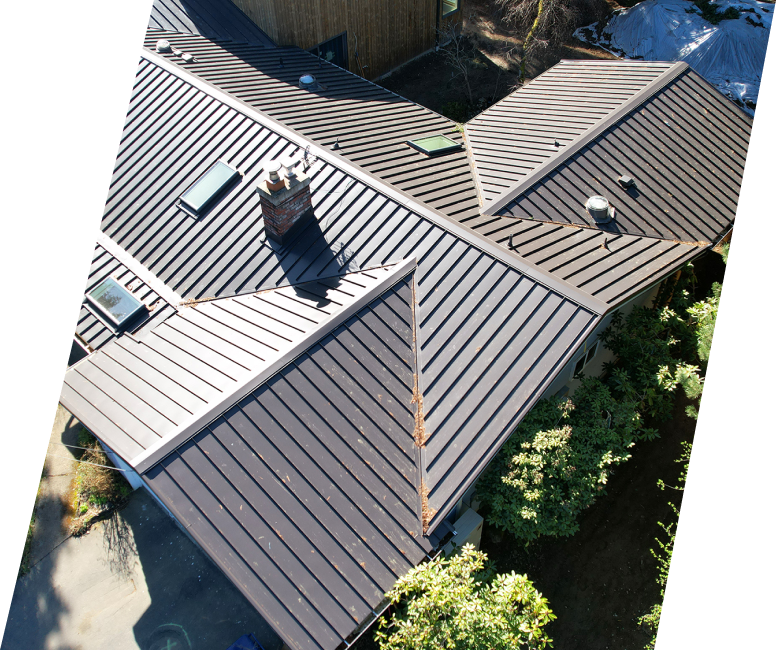
Flashing problems around chimneys, vents, skylights, and roof edges cause many metal roof leaks. The flashing that transitions between the metal roofing and other materials or penetrations can pull away, corrode, or lose its sealant over time.
Common Metal Roof Problems
Certain issues appear repeatedly on metal roofs, and knowing what to watch for helps you catch them before they become serious.
- Leaks are the most obvious problem but often the trickiest to diagnose. Water can enter at one point and travel along panels or underlayment before dripping into your building somewhere else entirely. Leaks typically originate at fasteners, seams, flashing, or areas with panel damage.
- Ponding water on low-slope metal roofs accelerates corrosion and stresses fasteners. Metal roofs need proper pitch for drainage, and when water sits for extended periods, it finds ways to cause trouble. This is especially problematic around valleys or any low spots.
- Paint fading and chalking happen gradually as UV exposure breaks down the coating. While this is primarily cosmetic, it can indicate that your protective coating is deteriorating and the metal underneath may soon be vulnerable.
- Panel movement or buckling occurs when thermal expansion isn’t properly accommodated in the installation. Metal expands significantly with heat and contracts with cold. If the installation doesn’t allow for this movement, panels can buckle, fasteners can pull out, or seams can separate.
- Ice dams can form on metal roofs in cold climates despite metal’s reputation for shedding snow easily. Poor insulation or ventilation causes warm spots that melt snow, which then refreezes at the eaves, creating dams that force water under the roofing.
- Galvanic corrosion happens when dissimilar metals contact each other in the presence of moisture. Using steel fasteners on aluminum roofing, for example, creates chemical reactions that accelerate corrosion at the contact points.
Repair Methods for Common Issues
Different problems require different approaches, and using the right repair method ensures lasting results.
- Rust treatment starts with removing loose rust with a wire brush or sandpaper, then cleaning the area thoroughly. Apply a rust converter or primer designed for metal, followed by matching paint or coating. For extensive rust, the damaged section may need replacement rather than just treatment.
- Fastener replacement involves removing damaged or loose screws and installing new ones with proper washers and sealant. It’s critical to use fasteners compatible with your roofing material to prevent galvanic corrosion. Over-tightening damages washers and panels, while under-tightening allows leaks.
- Seam repair depends on your roof type. Standing seam roofs may need re-crimping or new seaming. Overlapped panel roofs might need additional fasteners and sealant. Some seam repairs require specialized tools that professionals have but homeowners typically don’t.
- Patch repairs work for small holes, tears, or damaged areas. The process involves cleaning the damaged area, applying appropriate sealant or butyl tape, and securing a metal patch that extends well beyond the damage. The patch material should match your existing roofing to prevent galvanic issues.
- Coating application provides a new protective layer over aging metal roofs. Elastomeric coatings designed specifically for metal roofing can seal minor leaks, prevent rust, and extend your roof’s life by 10 to 20 years when applied to structurally sound roofs.
- Flashing repairs often involve removing old sealant, repositioning or replacing flashing components, and properly sealing with products designed for metal roofing. This work requires understanding how flashing integrates with your specific panel system.
- Panel replacement becomes necessary when damage is too extensive for patching or when rust has compromised structural integrity. Matching panels to your existing roof can be challenging on older installations, making it important to save extra panels during initial installation.
DIY vs. Professional Repairs
Deciding whether to handle repairs yourself or hire professionals depends on the repair complexity, your skills, and safety considerations.
Some repairs are manageable for handy property owners. Tightening loose fasteners, touching up small scratches with matching paint, cleaning debris from the roof surface, and applying small amounts of sealant to obvious leak sources are straightforward tasks that don’t require special expertise.
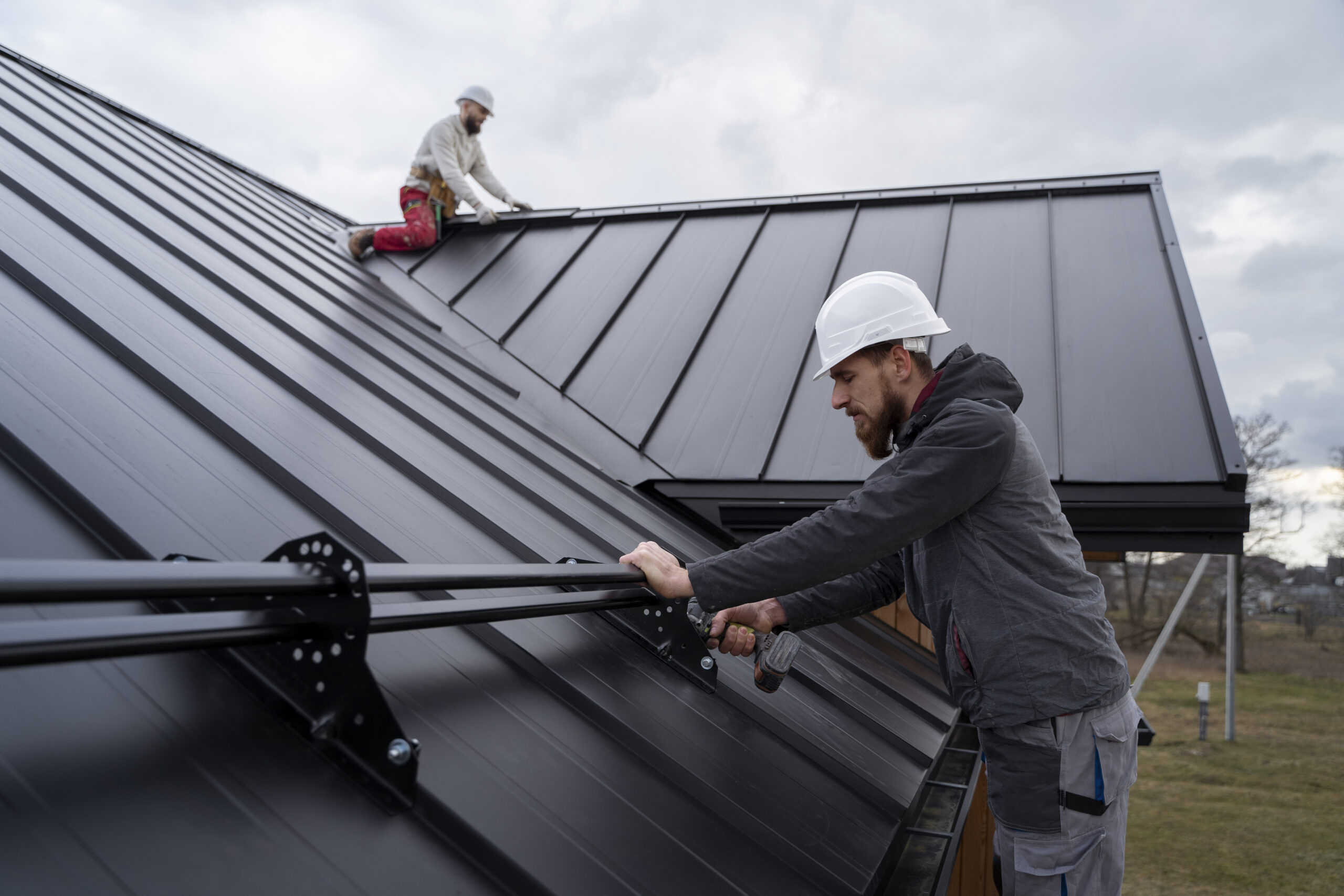
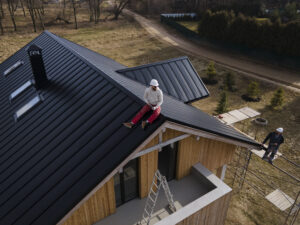
However, many metal roof repairs benefit from professional expertise. Working on metal roofs is slippery and dangerous, especially when panels are wet or angled steeply. Professionals have appropriate safety equipment and experience working at heights that most homeowners lack.
Diagnostic skills separate professionals from amateurs. Finding the actual source of a leak on a metal roof requires experience because water travels unpredictably. Fixing the wrong spot wastes time and money while the real problem continues.
Specialized tools and materials make professional work more effective. Standing seam tools, specific fasteners for different metal types, compatible sealants, and matching panels aren’t things most homeowners have readily available.
Warranty considerations matter significantly. Many metal roofing manufacturers require certified installers for warranty coverage. DIY repairs or work by non-certified contractors can void these valuable warranties, leaving you unprotected if more problems develop.
For anything beyond basic maintenance and minor cosmetic repairs, professional help makes sense. The specialized knowledge, proper materials, and diagnostic abilities professionals bring usually make their work more cost effective despite higher upfront costs.
Preventive Maintenance Strategies
Regular maintenance prevents many repairs and helps you catch small problems before they become expensive.
- Annual inspections should happen at least once yearly, ideally in spring or fall. Walk the roof carefully if safe to access, or inspect from a ladder or the ground with binoculars. Look for rust spots, loose fasteners, damaged panels, and flashing problems.
- Keep the roof clean of debris, leaves, and branches. Organic material traps moisture against the metal and accelerates corrosion. A simple sweeping or hosing removes most debris. Avoid pressure washers that might damage coatings or force water under panels.
- Check and tighten fasteners periodically. Walk the roof during inspections and tighten any loose screws you find. Replace missing fasteners immediately with compatible hardware. This simple maintenance prevents leaks and panel movement.
- Address small problems immediately rather than waiting. A tiny rust spot that takes five minutes to treat today might require panel replacement next year if ignored. Small investments of time prevent large repair bills.
- Trim overhanging branches that could damage the roof during storms or drop debris that clogs valleys and gutters. Branches scraping against metal panels damage protective coatings and create entry points for rust.
- Monitor gutters and drainage to ensure water flows away properly. Clogged gutters can cause water to back up under roof edges, potentially causing problems even on metal roofs.
- Apply protective coatings when recommended. As your roof’s original coating ages, applying new protective coatings extends its life significantly and costs far less than repairs or replacement.
When Repairs Aren’t Enough
Sometimes repair isn’t the best answer, and recognizing when replacement makes more sense saves money in the long run.
Extensive rust affecting large areas or multiple panels indicates the roof is failing systemically. At some point, the cost of repairing widespread corrosion exceeds replacement costs, and you’re just delaying the inevitable.
Multiple recurring leaks in different areas suggest systemic failure rather than isolated problems. If you’re constantly chasing leaks and making repairs, the entire roof system may be at the end of its service life.
Structural damage to the roof deck or supports requires addressing during replacement. These issues won’t be resolved by surface repairs and will continue causing problems until properly fixed.
Age considerations matter. Most metal roofs last 40 to 70 years depending on material and maintenance. If your roof is approaching or past its expected lifespan and needs frequent repairs, replacement becomes more economical.
Energy efficiency improvements might justify replacement even if repairs could work. Modern metal roofing systems with better coatings and insulation can significantly reduce energy costs, potentially offsetting replacement expenses over time.
Cost Considerations
Understanding repair costs helps you budget appropriately and make informed decisions about repair versus replacement.
Minor repairs like tightening fasteners or touching up small rust spots might cost 150 to 400 dollars if you hire a contractor for a service call. Many homeowners handle these tasks themselves at minimal cost.
Moderate repairs involving seam work, small panel replacement, or flashing repairs typically run 500 to 1,500 dollars depending on the extent and accessibility. These repairs require some expertise but don’t involve major work.
Major repairs addressing widespread problems, multiple panel replacements, or extensive coating application can cost 2,000 to 5,000 dollars or more. At this level, you should seriously compare repair costs to replacement costs.
Emergency repairs often cost more due to urgency and timing. Having relationships with reputable contractors and addressing problems proactively helps you avoid premium emergency pricing.
Long-term cost analysis shows that regular maintenance and prompt minor repairs prevent expensive major repairs. Spending a few hundred dollars yearly on maintenance typically saves thousands in repair costs over your roof’s lifetime.
Conclusion
Protecting your investment with timely metal roof repair ensures you get the full lifespan these durable roofs are known for providing. Regular inspections, preventive maintenance, and addressing small problems before they become major issues keep your metal roof performing optimally for decades.
Whether handling simple maintenance yourself or calling professionals for complex repairs, taking action when problems first appear prevents the water damage and structural issues that come from neglected roofs.
Your metal roof represents a significant investment in your property’s protection and value. The good news is that with proper care and prompt repairs when needed, these roofs deliver exceptional longevity and performance that far exceeds traditional roofing materials.
Don’t wait for small issues to become costly disasters. Stay proactive with inspections and maintenance, address problems quickly, and work with experienced professionals who understand the specific requirements of metal roof repair.
Frequently Asked Questions (FAQs)
1. How long does metal roof repair typically last?
Professional metal roof repairs done correctly should last 10 to 20 years or more depending on the repair type and environmental conditions. Simple fastener replacements and small patches often last as long as the surrounding roofing material.
DIY repairs using inadequate sealants or improper techniques might only last one to three years before needing attention again. The repair quality, materials used, and ongoing maintenance all affect how long fixes hold up. Coating applications can extend a metal roof’s life by 15 to 20 years when applied to structurally sound roofs.
2. Can I repair a metal roof myself or should I hire professionals?
You can handle basic maintenance like tightening loose fasteners, cleaning debris, and touching up small scratches yourself if you can safely access your roof. However, most metal roof repairs benefit from professional expertise due to safety concerns, diagnostic complexity, and the need for specialized tools and materials.
Working on metal roofs is dangerous because they’re slippery, especially when wet. Professionals also know how to find actual leak sources rather than just obvious symptoms. For anything beyond basic maintenance, professional help ensures repairs are done correctly and safely.
3. What causes rust on metal roofs and how do I prevent it?
Rust develops when the protective coating on steel roofing is compromised through scratches, wear, or damage, exposing bare metal to moisture and oxygen. Coastal areas with salt air accelerate corrosion. Prevention starts with choosing properly coated materials like galvanized or galvalume steel, or naturally rust-resistant aluminum.
Regular inspections help you catch and treat scratches before rust starts. Touch up any exposed metal immediately with appropriate primers and paint. Keep the roof clean and ensure proper drainage so water doesn’t pool anywhere. Quality materials and prompt attention to minor damage prevent most rust problems.
4. How much does metal roof repair cost on average?
Metal roof repair costs vary widely based on the problem’s extent and complexity. Minor repairs like fastener replacement or small rust treatment typically cost 150 to 500 dollars for a service call. Moderate repairs involving seam work, small panel replacement, or flashing repairs usually run 500 to 1,500 dollars.
Extensive repairs addressing widespread damage or applying protective coatings can cost 2,000 to 5,000 dollars or more. Emergency repairs often cost 20 to 50 percent more due to urgency. Your location, roof accessibility, and material type all affect final costs.
5. When should I replace rather than repair my metal roof?
Consider replacement over repair when rust affects more than 25 percent of the roof area, when you’re experiencing multiple recurring leaks in different locations, or when your roof approaches or exceeds its expected lifespan of 40 to 70 years. If repair costs exceed 30 to 40 percent of replacement costs, replacement usually makes more financial sense.
Structural damage to the roof deck or supports also warrants replacement since these issues won’t be resolved by surface repairs. Energy efficiency improvements available with modern systems might justify replacement even if repairs could technically work.