Dealing with roof leak repair can feel overwhelming, especially when you notice water stains spreading across your ceiling or hear that dreaded drip during a rainstorm.
Whether you’re a homeowner in the Greater Puget Sound area or anywhere else, understanding how to handle roof leaks quickly can save you thousands in water damage and repairs.
The good news is that not all leaks require a full roof replacement, and knowing what you’re dealing with makes all the difference.
What is Roof Leak?
A roof leak happens when water finds its way through your roofing system and into your home. It might seem simple, but leaks rarely occur directly where you see the water damage. Water can travel along rafters, insulation, or sheathing before finally dripping through your ceiling, sometimes several feet away from the actual entry point.
You might notice discolored patches on your ceiling, peeling paint, or damp spots in your attic. Sometimes the signs are subtle, like a musty smell or small water stains. Other times, you get an obvious waterfall during heavy rain.
Either way, even small leaks deserve immediate attention because what starts as a minor drip can quickly turn into structural damage, mold growth, and ruined insulation.
The tricky part is that roof leaks don’t always show up right away. You might have a slow leak that only becomes visible after months of gradual water infiltration. By then, the damage is already underway. That’s why catching and addressing problems early is so important for protecting your home.
What Are the Common Causes of Roof Leaks?
Understanding what causes leaks helps you prevent them in the first place. Most roof leak repair jobs stem from a handful of common issues that affect homes everywhere.
- Damaged or missing shingles are probably the most obvious culprits. High winds, hail, or just age can lift, crack, or completely remove shingles, leaving your roof deck exposed to the elements. Once that protective barrier is compromised, water has an easy path inside.
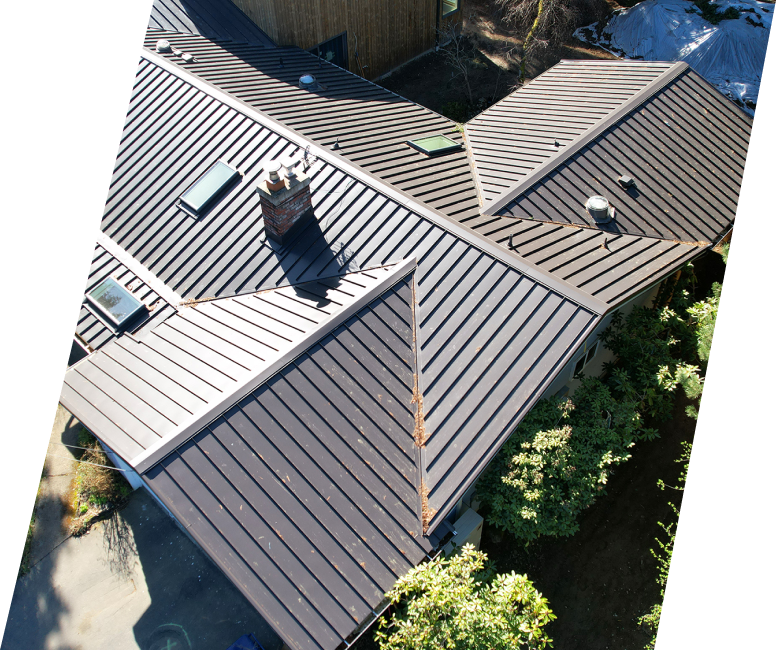
- Flashing problems cause a surprising number of leaks. Flashing is the metal material installed around chimneys, vents, skylights, and valleys where two roof planes meet. When flashing corrodes, pulls away, or wasn’t installed correctly, water can slip right through these vulnerable spots.
- Clogged gutters might not seem like a roof issue, but they definitely contribute to leaks. When gutters overflow with leaves and debris, water backs up under your shingles instead of flowing away from your home. This is especially problematic during heavy Pacific Northwest rains.
- Roof valleys, where two sections meet and form a V-shape, naturally channel a lot of water. If the valley isn’t properly sealed or if shingles along the valley deteriorate, you’ve got a prime location for leaks to develop.
- Age plays a major role too. Most asphalt shingle roofs last 20 to 30 years, but as they near the end of their lifespan, they become brittle and less effective at shedding water. Small cracks turn into bigger problems, and what worked fine for decades suddenly needs attention.
The Impact of Improper Installation on Roof Leaks
Here’s something many homeowners don’t realize until it’s too late. Poor installation is one of the leading causes of premature roof failure and recurring leaks. You can have the best materials available, but if they’re not installed correctly, you’re setting yourself up for problems down the road.
Improper nailing is a big issue. Shingles need to be nailed in specific spots with the right number of nails. Too few nails, nails placed incorrectly, or overdriven nails that break the shingle seal all create weak points where wind and water can penetrate.
Inadequate ventilation is another installation mistake with serious consequences. Without proper attic ventilation, heat and moisture build up, causing shingles to age faster and creating conditions perfect for mold. This accelerates deterioration and leads to earlier roof leak repair needs than you’d otherwise face.
Flashing installation requires precision and experience. If installers cut corners by using sealant instead of proper mechanical fastening, or if they don’t overlap flashing sections correctly, leaks are practically guaranteed. These problems might not show up immediately, but give it a few years and rainstorms, and you’ll see the results.
Wrong materials for your climate matter too. Some roofing products work great in dry climates
but fail in wet environments like the Pacific Northwest. Using inappropriate materials, even if installed perfectly, sets you up for maintenance headaches and potential leaks.
Pros and Cons of DIY Repairs
When you spot a leak, the temptation to grab some roofing cement and fix it yourself is strong. DIY roof leak repair can work for minor issues, but it’s important to understand what you’re getting into.
On the plus side, DIY repairs are obviously cheaper upfront. If you’ve got a single damaged shingle or a small flashing gap, replacing that shingle or applying roofing sealant might cost you less than fifty dollars in materials. You also get immediate satisfaction from tackling the problem right away instead of waiting for contractor availability.
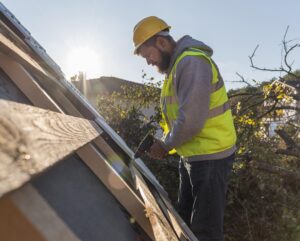
However, the cons are significant. Working on a roof is genuinely dangerous, especially if it’s steep or wet. One slip can lead to serious injury or worse. Professional roofers have safety equipment and training that most homeowners lack.
Then there’s the knowledge gap. Identifying where water is actually entering requires experience. You might patch the wrong spot entirely, thinking you’ve solved the problem while the real leak continues causing damage. Improper repairs can also void warranties on your roofing materials.
DIY fixes are often temporary at best. That tube of roofing cement might hold for a season, but it’s not a long-term solution. You might end up paying for professional roof leak repair anyway, plus additional damage from your interim patch failing.
If you do attempt a DIY repair, stick to truly minor issues like replacing a couple of shingles on an accessible, low-slope section. Anything involving flashing, valleys, multiple damaged areas, or hard-to-reach spots should go to the professionals.
When to Repair vs. Replace Your Roof
This is the question that keeps homeowners up at night. Nobody wants to replace a roof if repairs will do the job, but you also don’t want to throw money at repairs when replacement is inevitable.
Age is the first factor to consider. If your roof is under 15 years old and the damage is localized, repairs usually make sense. But if you’re at the 20-year mark or beyond, and you’re dealing with multiple problem areas, replacement becomes more cost-effective. You’ll just be chasing leaks otherwise.
The extent of damage matters enormously. A few damaged shingles in one area? That’s a repair. Widespread shingle deterioration, multiple leaks in different spots, or significant structural damage from long-term water intrusion? Time for a new roof.
Consider how many repairs you’ve already done. If you find yourself calling for roof leak repair every year or two, you’re probably past the point where repairs make financial sense. At some point, you’re just delaying the inevitable while throwing money away.
Energy bills can be a surprising indicator. A failing roof with poor insulation or ventilation issues shows up in your heating and cooling costs. If your energy bills have crept up alongside roofing problems, replacement might actually pay for itself over time.
Get a professional assessment if you’re uncertain. A reputable contractor will tell you honestly whether repairs will hold up or if you’re better off replacing. They’ll look at the roof deck condition, not just the surface layer, to give you the full picture.
When to Get Help From the Pros
Some situations absolutely require professional roof leak repair, no exceptions. Knowing when to call in experts saves you money, time, and potential disaster.
Any work involving structural elements needs a professional. If water has damaged rafters, decking, or trusses, this isn’t DIY territory. Structural repairs require expertise to ensure your roof is safe and sound.
Multiple leaks or leaks you can’t locate definitely warrant professional help. Roofers have the experience to track water to its actual entry point, not just where it’s dripping through your ceiling. They’ll find and fix the real problem.
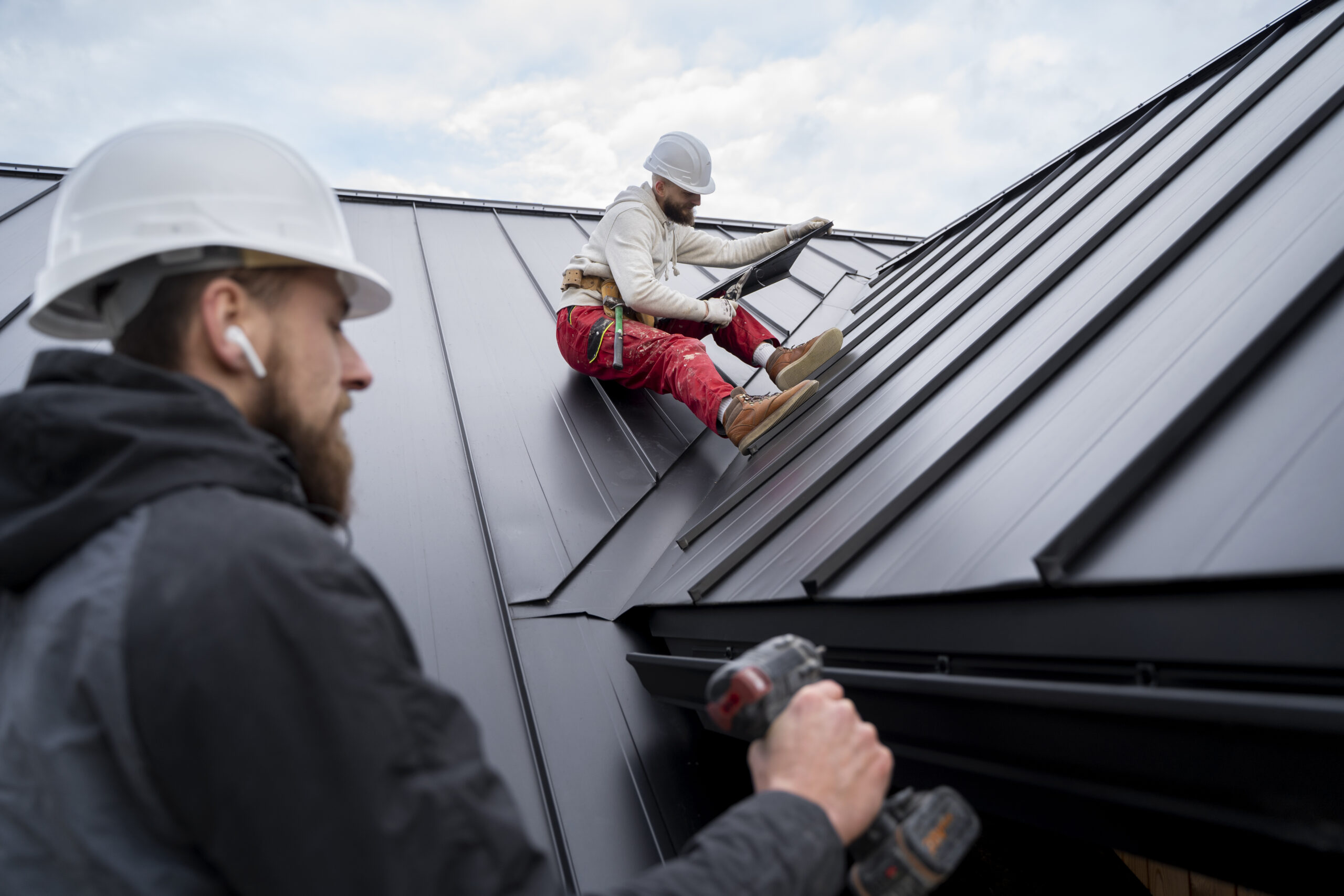
Steep roofs or roofs higher than one story are too dangerous for most homeowners to work on safely. The risk simply isn’t worth it. Professionals have fall protection equipment and insurance for a reason.
Major repairs involving valleys, chimneys, skylights, or extensive flashing work require specialized knowledge. These are critical areas where improper repair causes bigger problems. Getting it right the first time matters.
When you need warranty protection, professional installation is essential. Most roofing materials come with manufacturer warranties that are void if not installed by certified contractors. Don’t throw away valuable warranty coverage trying to save a few bucks.
If you’re in the Greater Puget Sound area dealing with persistent leaks or need an expert assessment, reaching out to experienced contractors who understand local weather challenges is your best move.
Conclusion
Handling roof leak repair effectively comes down to understanding the problem, knowing your limits, and acting quickly before small issues become big expenses.
Whether it’s replacing a few shingles yourself or calling in professionals for complex repairs, the key is addressing leaks promptly rather than ignoring them and hoping they’ll go away.
Remember that your roof is your home’s first line of defense against the elements. Regular inspections, prompt repairs, and knowing when to replace rather than patch will keep your home dry and protected for years to come.
Don’t let a small leak turn into a major headache. Take action, whether that’s a careful DIY fix or getting professional help, and protect your investment with proper roof leak repair.
Frequently Asked Questions (FAQs)
1. How much does roof leak repair typically cost?
Minor roof leak repair usually costs between 150 and 400 dollars for simple fixes like replacing a few shingles or resealing small flashing gaps. More extensive repairs involving multiple areas or structural damage can run from 500 to 1,500 dollars or more.
The exact cost depends on the damage extent, materials needed, roof accessibility, and local labor rates. Getting multiple quotes from reputable contractors helps you understand fair pricing for your specific situation.
2. Can I repair a roof leak from inside my attic?
While you can temporarily slow a leak from inside by placing buckets or applying emergency sealant to the underside of your roof deck, this isn’t a real fix. The actual problem is on the exterior, and interior patches only mask the issue while water continues entering your roofing system.
These temporary measures help minimize interior damage while you arrange proper exterior repairs, but they shouldn’t replace fixing the root cause from outside.
3. How long does a roof leak repair last?
Professional roof leak repair done correctly can last as long as the surrounding roofing materials, potentially 10 to 20 years or more depending on the roof’s overall condition. DIY repairs using sealants typically last one to three years before needing attention again.
The repair quality, materials used, and ongoing roof maintenance all affect longevity. Regular inspections help catch new problems before they become major leaks.
4. What should I do immediately when I discover a roof leak?
First, contain the water damage inside by placing buckets under drips and moving furniture or valuables away from affected areas. Document the damage with photos for insurance purposes. Check your attic if accessible to locate where water is entering and place containers there too.
If it’s safe and you can reach it, you might temporarily cover exterior damage with a tarp secured properly. Then contact a professional roofer as soon as possible for proper assessment and repair.
5. Will my homeowners insurance cover roof leak repair?
Coverage depends on what caused the leak and your specific policy. Insurance typically covers sudden, accidental damage like leaks from storm damage, fallen trees, or unexpected events. However, leaks from poor maintenance, gradual deterioration, or normal wear and tear usually aren’t covered.
Review your policy and document all damage thoroughly. Your insurance company will send an adjuster to assess whether the damage qualifies for coverage under your plan.