
Understanding roof replacement cost factors allows homeowners to anticipate expenses and budget strategically rather than being blindsided by unexpected pricing or poor purchasing decisions. Many homeowners underestimate roof replacement costs by failing to account for variables beyond simple square footage multiplied by material price.
Complexity, accessibility, location, material choices, and labor rates all influence roof replacement cost factors significantly. Strategic choices about which cost factors to address can reduce expenses substantially without sacrificing quality or durability.
Comparing multiple contractor estimates helps identify which roof replacement cost factors are driving price differences and whether variations represent value differences or unnecessary premium pricing.
Roof Size and Square Footage
The most straightforward roof replacement cost factor involves measuring square footage to calculate material needs and labor hours. Larger roofs require more material and labor, increasing costs proportionally.
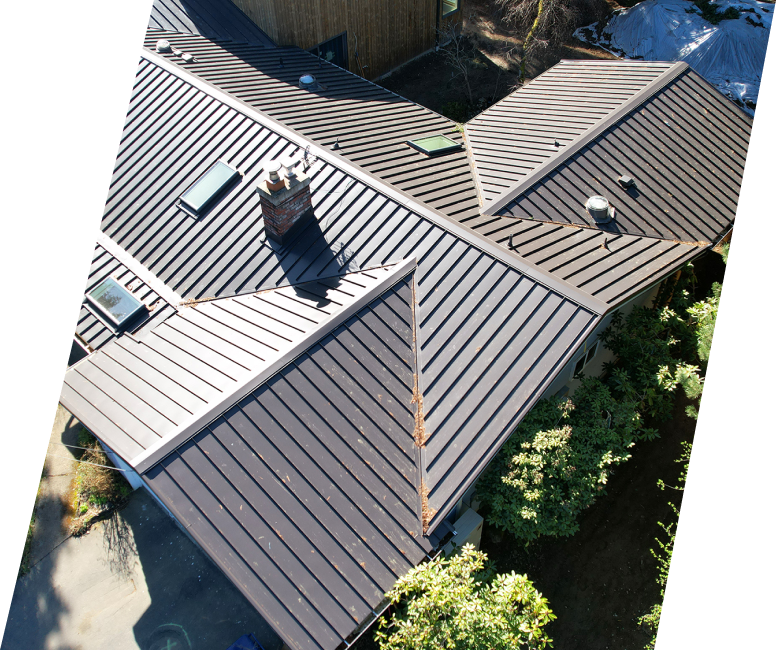
However, square footage alone doesn’t determine final cost because pitch, complexity, and other factors modify the relationship between size and cost. A 2,000 square foot roof with simple gable design costs less than a 2,000 square foot roof with multiple dormers, valleys, and complex penetrations.
Contractors measure roof size in squares, with one roofing square equaling 100 square feet. This standardization allows easier cost comparison. However, ensure contractors measure your actual roof rather than estimating from ground measurements.
Accurate measurements prevent surprises when final bills exceed estimates based on inaccurate calculations. Roof replacement cost factors related to size should be straightforward if measurements are precise.
Roof Pitch and Complexity
Steep pitch roofs cost more per square than low-pitch roofs because steep pitches require additional safety equipment, slower work pace, and more labor hours per square.
A 12/12 pitch roof costs significantly more to replace than a 4/12 pitch roof of identical square footage. Steep pitches create safety challenges and reduce worker efficiency, directly impacting roof replacement cost factors.
Complex roof designs with multiple levels, valleys, dormers, and intersecting sections require careful work around transitions and penetrations. Each complexity element adds labor time and potentially material waste.
Simple rectangular roofs cost far less per square than complex designs. Multiple valleys and roof-to-wall transitions require careful flashing installation and attention to water management, increasing labor costs substantially. When evaluating roof replacement cost factors, consider whether roof simplification during replacement might reduce long-term costs.
Material Selection
Material choices dramatically influence roof replacement cost factors. Asphalt shingles represent the most affordable option, with costs varying by shingle quality and weight. Dimensional shingles cost more than three-tab shingles but last longer and offer better appearance. Premium architectural shingles command the highest asphalt shingle prices.
Metal roofing costs more initially than asphalt but lasts 40-70 years compared to asphalt’s 15-25 years. When calculated per year of roof life, metal roofing becomes cost-competitive despite higher upfront roof replacement cost factors.
Tile and slate roofing represent premium materials with correspondingly higher costs. However, tile and slate durability exceeds all other materials, sometimes justifying higher initial roof replacement cost factors through extended lifespan.
Rubber roofing and TPO flat roof materials offer mid-range pricing appropriate for their expected lifespan.
Specialty materials like standing seam metal or stone-coated steel command premium pricing reflecting superior performance and longevity characteristics. Material selection represents the roof replacement cost factor homeowners control most directly.
Labor Costs and Contractor Experience
Labor costs vary significantly by region and contractor experience level. Major metropolitan areas typically have higher labor rates than rural regions.
Established contractors with strong reputations and extensive experience often charge premium rates for their expertise and quality commitment. New or less experienced contractors may offer lower pricing but potentially sacrifice quality.
Union labor costs exceed non-union rates in regions where union roofing is common. This roof replacement cost factor varies dramatically by location.
When comparing estimates, consider whether labor cost differences reflect quality and experience variations or simply regional variations. Request references from contractors offering significantly lower pricing than competitors.
Permit and Inspection Costs
Building permits and required inspections add to roof replacement cost factors often overlooked during initial budgeting. Permit costs vary by jurisdiction but typically range from $50 to $300 depending on local requirements.
Some contractors include permit costs in estimates while others charge separately. Clarify whether your estimate includes permits and required inspections.
Engineering reports or structural inspections sometimes become necessary if inspectors discover deck damage or structural concerns. These additional roof replacement cost factors might not be predictable until work begins. Budget conservatively for potential additional inspection costs.
Tear-Off and Disposal Costs
Removing old roofing and disposing of materials represents a significant roof replacement cost factor often underestimated. Tear-off costs vary with roof size, number of existing layers, and disposal accessibility.
If your roof has multiple layers from previous reroof projects, tear-off costs multiply accordingly. Some contractors include tear-off and disposal in their pricing while others charge separately per square.
Over-roofing, where new roofing installs over existing roofing, eliminates tear-off costs but may not be structural acceptable depending on building codes and existing roof condition. Clarify whether your estimate includes tear-off or proposes over-roofing.
Structural Repairs and Deck Replacement
During tear-off, contractors frequently discover rotted decking, damaged trusses, or other structural problems. These roof replacement cost factors cannot be predicted until old roofing is removed. Budget contingency funds for potential structural repairs. If structural problems are extensive, costs can equal or exceed material costs for new roofing.
Many homeowners are shocked when contractors inform them of necessary structural repairs, not realizing this roof replacement cost factor is common. Plan to ask contractors for contingency reserve guidance based on the roof age and condition.
Flashing and Penetration Details
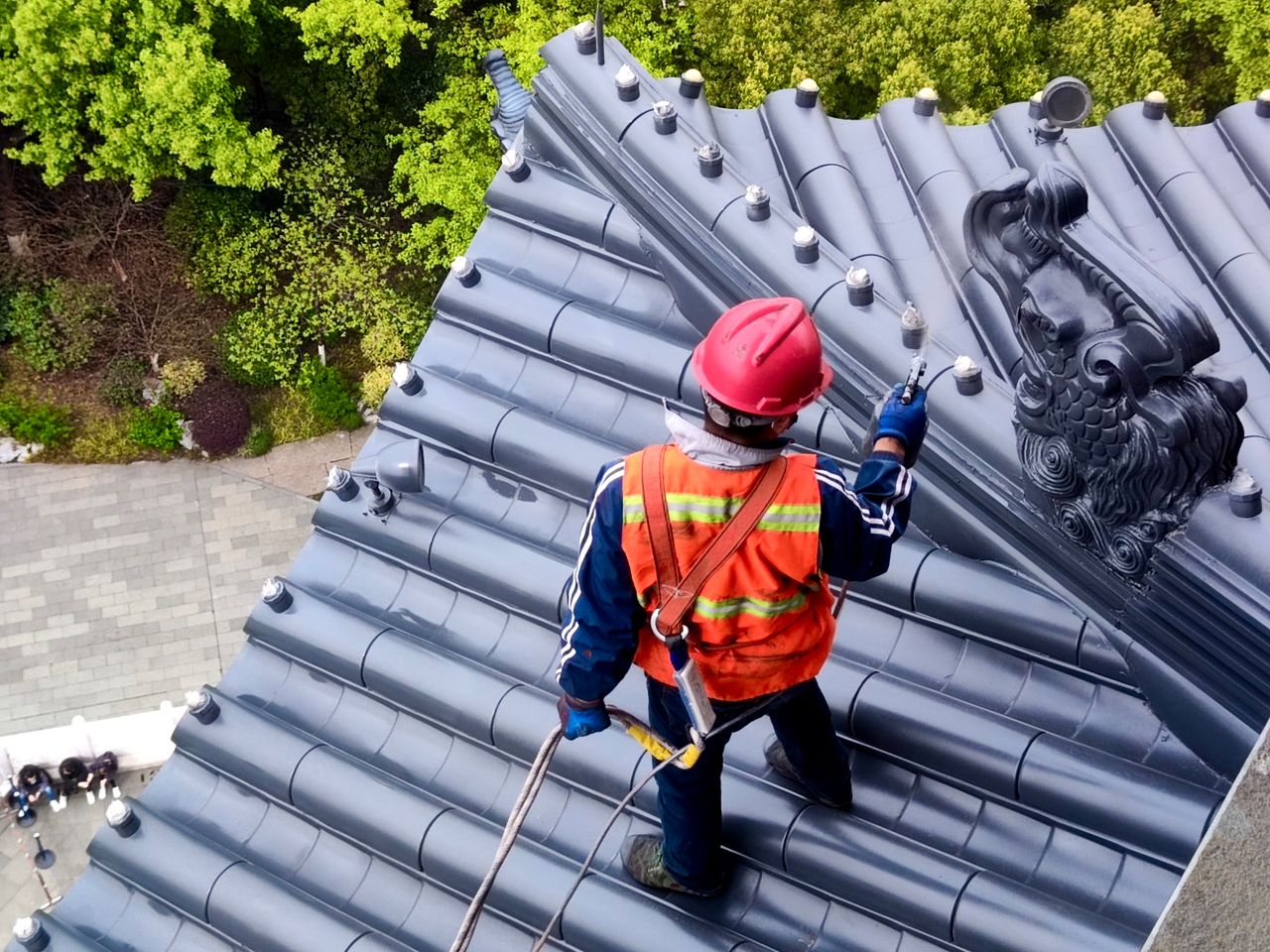
Quality flashing installation determines whether roofing leaks around penetrations and transitions. Upgraded flashing materials and careful installation add to roof replacement cost factors but prevent expensive water damage. Low-budget estimates sometimes propose inadequate flashing details. Verify what flashing details your estimate includes.
Geographic and Regional Factors
Climate, weather severity, and local building code requirements all influence roof replacement cost factors. Regions with severe weather require upgraded materials and installation standards. Coastal areas with salt exposure require specialized coatings and materials, adding costs.
High-wind regions may require upgraded fastening schedules and impact-resistant materials. High-snow areas may need steeper pitches or reinforced structures. These regional requirements add to roof replacement cost factors beyond basic material and labor costs.
Seasonality and Scheduling
Roof replacement cost factors fluctuate seasonally. Peak roofing season typically occurs in spring and fall when weather cooperates and contractor demand peaks. Summer and winter represent off-season periods when contractors may offer discounts to maintain workflow.
Scheduling roof replacement during off-season periods sometimes reduces costs. However, winter and summer weather challenges may limit work and increase complications, offsetting savings.
Frequently Asked Questions (FAQs)
1. How Much Do Roof Replacement Cost Factors Typically Add to a Basic Estimate?
Unforeseen roof replacement cost factors can add 10-30% to original estimates. Budget contingency reserves of at least 15-20% above contractor estimates to accommodate unexpected costs. This protects you from financial surprises during project execution.
2. Which Roof Replacement Cost Factors Should I Prioritize for Budget Management?
Prioritize structural integrity and weatherproofing. Quality installation and adequate flashing matter more than cosmetic features. Material quality affects long-term value more than labor rate differences.
3. Is Over-Roofing a Good Way to Reduce Roof Replacement Cost Factors?
Over-roofing saves tear-off costs but may not address underlying deck damage and doesn’t qualify for some warranties. Most building codes limit over-roofing to one layer. New roofing cannot be installed over two existing layers. Clarify whether over-roofing is structurally acceptable for your situation.
4. How Do I Know If a Contractor’s Estimate Accounts for All Roof Replacement Cost Factors?
Request itemized estimates showing tear-off, materials, labor, permits, and disposal separately. Compare itemized estimates from multiple contractors. Ask contractors to specify what their estimate includes and excludes.
5. What Contingency Budget Should I Reserve for Unexpected Roof Replacement Cost Factors?
Reserve 15-20% above contractor estimates. For roofs older than 20 years, increase contingency to 20-25% to account for likely structural repairs. This buffer protects your budget from surprises common in roofing projects.