
Annual roof inspection reports represent one of the most cost-effective investments homeowners can make to protect their properties from expensive structural damage and premature roof failure.
Many homeowners neglect regular roof inspections until visible leaks or obvious damage force action, by which point underlying structural deterioration may have progressed significantly.
Professional roof inspection reports completed annually catch problems at early stages when repairs cost fraction of what emergency repairs or complete replacement would require.
Understanding what annual roof inspection reports reveal and why this preventive maintenance matters transforms how you approach roof care. Regular inspection reports create a documented history of your roof’s condition, invaluable for insurance claims, warranty validation, and informed decision-making about repair versus replacement timing.
What Annual Roof Inspection Reports Identify
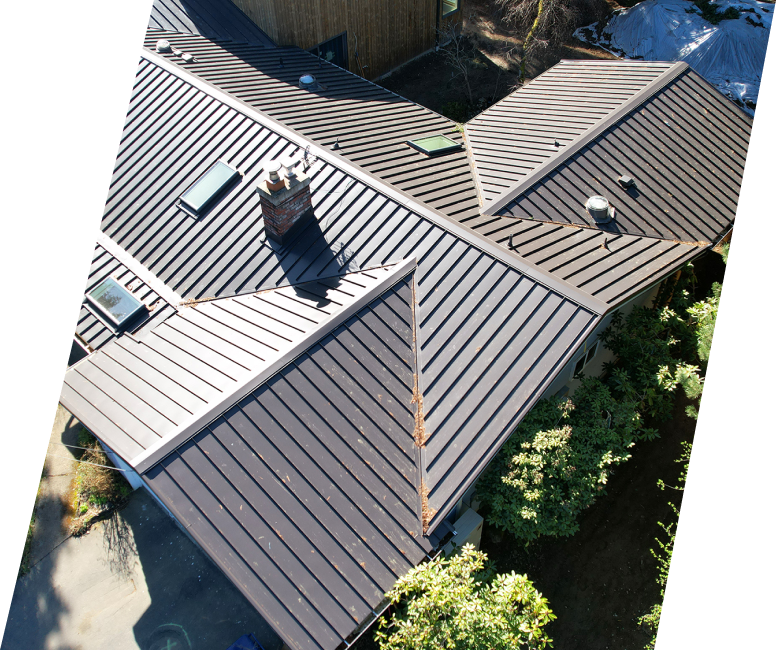
Professional roof inspection reports conducted by experienced inspectors examine conditions homeowners cannot evaluate safely or accurately from ground level. Inspectors identify missing or damaged shingles, deteriorated flashing, compromised seals around penetrations, and granule loss indicating shingle degradation.
They assess underlayment condition, check for signs of water infiltration, evaluate gutter performance, and examine roof structure for sagging or misalignment. Annual roof inspection reports document the exact condition of every roof area, providing baseline data allowing detection of changes and deterioration patterns over time.
Inside your home, roof inspectors examine attic spaces for water stains, mold growth, inadequate ventilation, and pest damage. These interior findings often reveal roof problems invisible from exterior inspection alone.
Moisture damage to rafters, trusses, and insulation indicates serious roof or ventilation issues requiring immediate attention. Annual roof inspection reports that document these interior findings help prevent situations where hidden moisture damage weakens structural components and causes expensive failures.
How Early Detection Prevents Expensive Repairs
The economic advantage of annual roof inspection reports stems from the principle that problems left unaddressed expand dramatically in scope and cost. A single missing shingle identified in an annual roof inspection report costs perhaps $50 to repair when caught early.
Left unaddressed through rain and snow for months or years, that small opening allows water beneath the shingle layer, rotting the decking and damaging rafters. What started as a $50 repair becomes a $5,000 structural repair and potential interior renovation.
Similar escalation occurs with flashing problems, compromised seals, and ventilation deficiencies. Annual roof inspection reports catch these issues while they remain cosmetic or minor functional problems rather than structural threats.
Homeowners who skip annual inspections often discover expensive problems during emergency situations like active leaks or visible roof sagging, when damage has already progressed far beyond initial stages.
Catching Ventilation Problems Before They Cause Damage
Inadequate roof ventilation ranks among the most common problems identified in annual roof inspection reports, yet many homeowners remain unaware this issue exists until serious damage appears.
Improper ventilation allows moisture to accumulate in attic spaces, promoting mold growth, wood rot, and premature shingle failure. Annual roof inspection reports document ventilation adequacy, allowing proactive upgrades before moisture damage occurs.
When annual roof inspection reports reveal ventilation problems, repairs remain relatively straightforward and affordable. Installing additional vents, unblocking obstructed soffit vents, and clearing debris-filled gutters cost far less than addressing the water damage, mold remediation, and structural repairs resulting from prolonged moisture exposure.
Homeowners who address ventilation problems identified in annual inspections avoid the exponentially higher costs of damage remediation.
Warranty Validation Through Documentation
Many roofing warranties require documented regular maintenance and professional inspections as conditions for coverage validity. Annual roof inspection reports provide the documentation manufacturers require to validate warranty claims.
Without this documentation, manufacturers may deny claims if problems develop, arguing that regular maintenance was neglected. Homeowners maintaining annual roof inspection reports protect their warranty coverage and ensure they can file valid claims if problems arise.
Additionally, detailed annual roof inspection reports created by licensed professionals carry weight in insurance disputes. When damage occurs, your insurance company wants documentation that you maintained your roof properly.
A history of annual roof inspection reports demonstrates responsible property stewardship, supporting your position in coverage disputes.
Detecting Hidden Water Damage and Leaks
Water damage often hides in roof spaces and attic areas where it remains invisible from ground-level inspection or casual observation. Annual roof inspection reports conducted inside the attic reveal water stains, moisture damage to insulation, and mold growth before they become visible structural problems or interior damage.
Catching water damage in attic spaces allows repair of roof problems before water penetrates into living spaces, avoiding expensive interior damage and potential health hazards from mold growth.
Many homeowners discover roof leaks only when water appears on ceilings or walls inside living spaces, indicating the problem has persisted long enough to saturate insulation and structural components. Annual roof inspection reports identify leaks at much earlier stages, often before interior damage occurs.
Creating Baseline Data for Condition Trending
Annual roof inspection reports conducted year after year create invaluable baseline data showing how your roof condition changes over time. Early annual reports might indicate a roof in good condition with minor issues.
Subsequent years’ reports document progressive deterioration or confirm that previous repairs addressed problems effectively. This trending data helps you plan roof replacement timing strategically rather than being forced into emergency replacement by catastrophic failure.
A homeowner with five years of annual roof inspection reports has precise documentation of their roof’s condition progression.
This information allows informed decisions about repair versus replacement, budget planning for upcoming roof replacement, and strategic timing of work to coincide with favorable contractor availability and weather. Without annual inspection documentation, you lack this crucial planning information.

Protecting Property Value and Buyer Confidence
When you sell your property, potential buyers request roof condition documentation. A history of annual roof inspection reports demonstrates responsible maintenance and provides buyers confidence in the roof’s condition.
This documentation supports property valuation and buyer willingness to proceed without demanding roof replacement as a sale contingency. Properties with documented roof maintenance history command higher prices and sell faster than properties where roof condition remains undocumented.
Conversely, properties without roof maintenance documentation create buyer concerns regardless of actual condition. Buyers typically protect themselves by demanding professional inspections and often requesting price reductions or roof replacement based on uncertainty about actual condition. Annual roof inspection reports prevent these complications.
Identifying Material-Specific Problems
Different roofing materials experience material-specific failures that annual roof inspection reports help identify. Metal roofing develops fastener issues, seal deterioration, or coating problems. Tile roofs crack or settle unevenly. Asphalt shingles cup, blister, or lose granules prematurely.
Flat roofs develop drainage problems or membrane deterioration. Professional inspectors familiar with different materials recognize material-specific problems and document them in annual roof inspection reports, allowing homeowners to address these characteristic issues proactively.
Planning Seasonal Maintenance
Annual roof inspection reports often reveal seasonal vulnerabilities. A spring inspection might identify areas where winter damage occurred, allowing summer repairs before fall storms arrive. Fall inspections identify issues to address before winter weather arrives.
Winter inspections document how seasonal weather affected roof condition. This seasonal perspective helps you schedule preventive maintenance strategically rather than reactively responding to weather-related failures.
Frequently Asked Questions (FAQs)
1. How Often Should I Have My Roof Professionally Inspected?
Industry standards recommend annual roof inspections, with additional inspections after major storms or significant weather events. Older roofs or those in harsh climates benefit from semi-annual inspections. Annual roof inspection reports create the documentation most property owners require.
2. What’s the Difference Between a Roof Inspection and a Roof Evaluation?
Inspections document current condition through detailed examination. Evaluations often provide more limited assessment. Annual roof inspection reports provide comprehensive documentation useful for maintenance planning and insurance coverage validation.
3. How Much Does a Professional Roof Inspection Cost?
Professional roof inspection costs vary regionally but typically range $200-$500 depending on roof size and accessibility. This investment proves minimal compared to repair or replacement costs, making it one of homeowner’s best preventive maintenance investments.
4. Will My Insurance Company Require Annual Roof Inspection Reports?
Most insurance companies don’t require annual inspections but appreciate documentation. Some policies provide premium discounts for documented maintenance. Check with your insurance agent about inspection requirements or benefits.
5. Can I Just Inspect My Own Roof Annually?
DIY inspections lack professional expertise and safety considerations. Climbing on roofs creates fall risks. Professional inspectors identify problems amateur inspection misses. Annual roof inspection reports from qualified professionals provide liability protection and accurate assessments justifying the cost.