Roof Repair in Bothell, WA: Where Leaks Usually Start
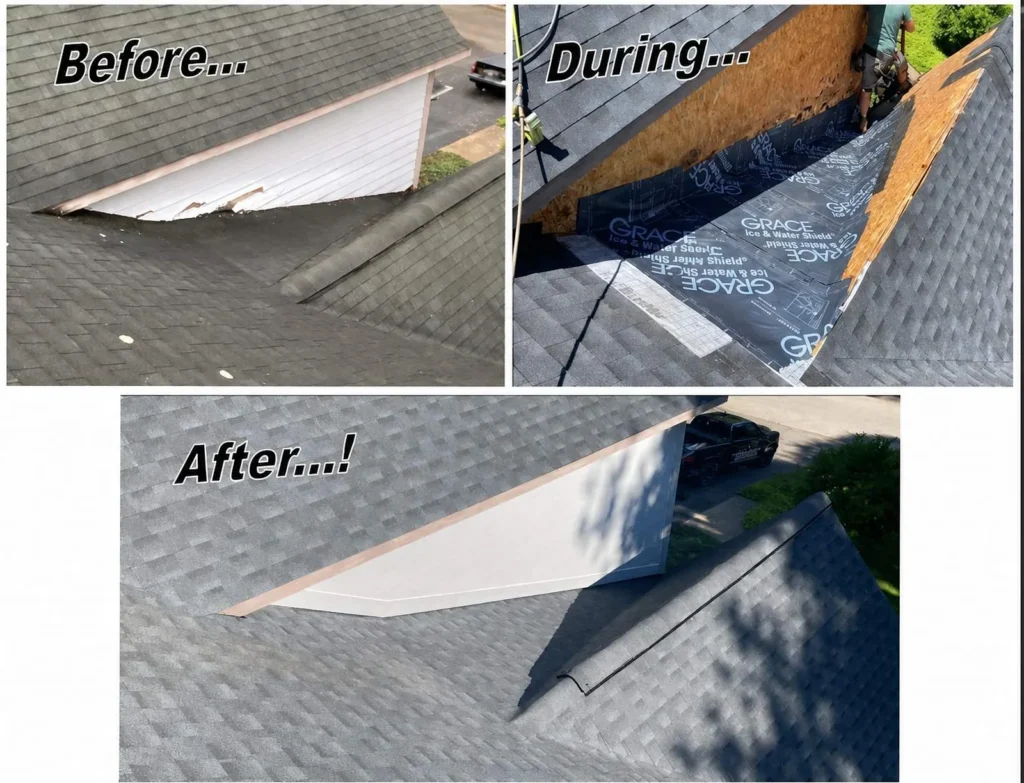
Most roof leaks we get called about in Bothell don’t start in the middle of the roof. They start where something interrupts the shingles: a vent pipe, a chimney, a skylight, a valley, or a gutter that’s been overflowing for two winters. If you know where to look, you can usually catch the problem while it’s still a repair and not a rotted-decking job.
Roofing Formula LLC is based just down the road at 8205 NE 142nd St in Kirkland, and Bothell is one of the cities we work in most. Here’s what we see on Bothell roofs, what causes it, and what you can check yourself from the ground or the attic.
Why Bothell roofs take a beating
Bothell sits at the north end of Lake Washington along the Sammamish River, and the city actually straddles two counties, with the King/Snohomish line crossing at NE 205th Street (244th Street SW on the Snohomish side). Whichever side you’re on, the weather is the same: long wet stretches from fall through spring, with November usually the rainiest month of the year. Add tall evergreens dropping needles and keeping roofs shaded, and you get the three things that wear roofs out fastest here: standing moisture, debris, and moss.
None of that means your roof is doomed. It means the weak points show up sooner, and small problems don’t stay small through a wet season.
The most common roof leak sources in Bothell
1. Plumbing vent pipe boots
Every bathroom and kitchen vent that pokes through your roof has a rubber collar (a “boot”) sealing it. Those collars dry out, crack and split long before the shingles around them wear out. A failed boot is one of the most common leaks we find, and it’s usually a quick, inexpensive fix if it’s caught before water soaks the decking. Look for a stain on the ceiling directly below a bathroom or near an interior wall.
2. Chimney flashing
Chimneys need step flashing along the sides and counter-flashing cut into the masonry. On older Bothell homes we often find the flashing was “fixed” years ago with a bead of caulk or roofing cement. That works for a season or two, then it cracks and water runs behind it. Stains on the ceiling or wall next to a fireplace are the giveaway.
3. Skylights
Skylight leaks come from two places: the flashing around the frame, or the unit itself (failed seals, cracked glazing). If water shows up at the corners of the skylight well, it’s usually flashing. If you see fogging between panes or drips from the glass, the unit may be at the end of its life. We’ll tell you which one it is before we quote anything.
4. Valleys packed with needles
Valleys are where two roof slopes meet, and they carry more water than any other part of the roof. When fir and cedar needles pile up in a valley, they act like a dam. Water backs up sideways under the shingle edges and finds the nail holes. If your house is under big trees, keeping valleys clear is one of the cheapest things you can do to prevent leaks.
5. Overflowing gutters
Clogged gutters don’t just spill over the front. Water can back up behind the gutter, soak the fascia board and wick up under the first course of shingles. Peeling paint on fascia, dark streaks on siding, or water dripping behind the gutter during rain are all signs. Regular gutter cleaning and gutter guards go a long way here.
6. Moss lifting shingles
Moss holds water against the roof like a sponge and grows up under shingle edges, lifting them so wind-driven rain gets underneath. North-facing and shaded slopes get it worst. Pressure washing moss off is the wrong answer; it strips granules and shortens the roof’s life. Proper roof cleaning and moss treatment removes it without damaging the shingles.
7. Wind-lifted or missing shingles
After a windstorm, walk around the house and look for shingles in the yard, creased tabs, or bare spots near ridges and edges. One missing shingle exposes the underlayment, and underlayment isn’t built to be the only layer between your house and a Northwest winter.
8. “Leaks” that are really condensation
Not every wet spot is a roof leak. Poor attic ventilation, or bath fans venting into the attic instead of outside, can cause condensation that drips from nails and soaks insulation, especially on cold mornings. It looks like a leak, but patching shingles won’t fix it. An honest inspection should tell you the difference.
What to do when you find a leak
- Contain it. Put a bucket under the drip and move anything valuable. If a ceiling is bulging with water, poke a small hole to drain it into the bucket so it doesn’t spread.
- Take photos. Inside and out, with dates. They help with diagnosis and with any insurance conversation.
- Check the attic if it’s safe. Look for wet decking, stained rafters or damp insulation, and note where it is relative to vents, the chimney or skylights.
- Stay off the roof. Wet, mossy roofs are slick. It’s not worth the fall.
- Call for an inspection. The sooner the source is found, the less decking and insulation you’ll be paying to replace.
Repair or replace?
Most leaks we find in Bothell are repairs: a new pipe boot, re-flashing a chimney, replacing a section of shingles, clearing a valley. We’ll recommend a replacement only when the roof as a whole is worn out: widespread granule loss, curling or brittle shingles, soft decking in multiple areas, or repeated leaks in different spots. If we think a repair will buy you several good years, we’ll say so. That’s the whole point of an honest, no-pressure inspection.
Why Bothell homeowners call Roofing Formula
We’ve been in business since 2019, and the owner has nearly 18 years in the field. As a GAF Certified Plus contractor, we offer the GAF Silver Pledge warranty with lifetime, non-prorated coverage, we have preferred-customer standing with major Pacific Northwest suppliers, and we don’t do high-pressure sales. Learn more about our work in your area on our Bothell roofing page, or see what’s included in our roof repair service.
Bothell roof repair FAQ
Do I need a permit for roof repair in Bothell?
It depends on the scope. Small repairs typically don’t, while larger reroofing or structural work can. Bothell’s permit rules are handled by the City of Bothell Permit Center, and requirements can change, so we confirm before starting any larger job. When a permit is needed, or if you’d like one pulled, we handle it for you.
Can you repair a roof in the rain or in winter?
Many repairs can be done between storms, and emergency tarping can protect the house until a dry window opens up. We offer emergency tarping and can usually be on site within 1 to 3 hours of your call.
How do I know if it’s a leak or condensation?
Leaks usually show up during or right after rain and line up with a roof feature like a vent or chimney. Condensation tends to appear on cold mornings, often as frost or droplets spread across the underside of the decking. A roof inspection will tell you which you’re dealing with.
Is the inspection free?
Yes. We inspect, show you photos of what we find, and explain your options. No pressure to sign anything.
Get your Bothell roof leak checked
If you’ve got a stain on the ceiling, a drip in the attic or shingles in the yard, don’t wait for the next atmospheric river to make it worse. Call Roofing Formula at 425-207-6016 to schedule a free roof inspection. We’ll find the source, show you what we found and give you a straight answer on whether it’s a repair or something bigger.
Ready for a straight answer on your roof?
Send a request and we'll set up a time to look at your roof, or call during business hours. Inspections are free, and there's no down payment on jobs under $20k.
GAF Certified Plus · Lifetime Silver Pledge warranty · Licensed & insured WA Reg. # ROOFIFL812OF